
A Poignant and Heartfelt Ballad of a Wandering Soul, a Melancholy Ode to the Loneliness of the Road.
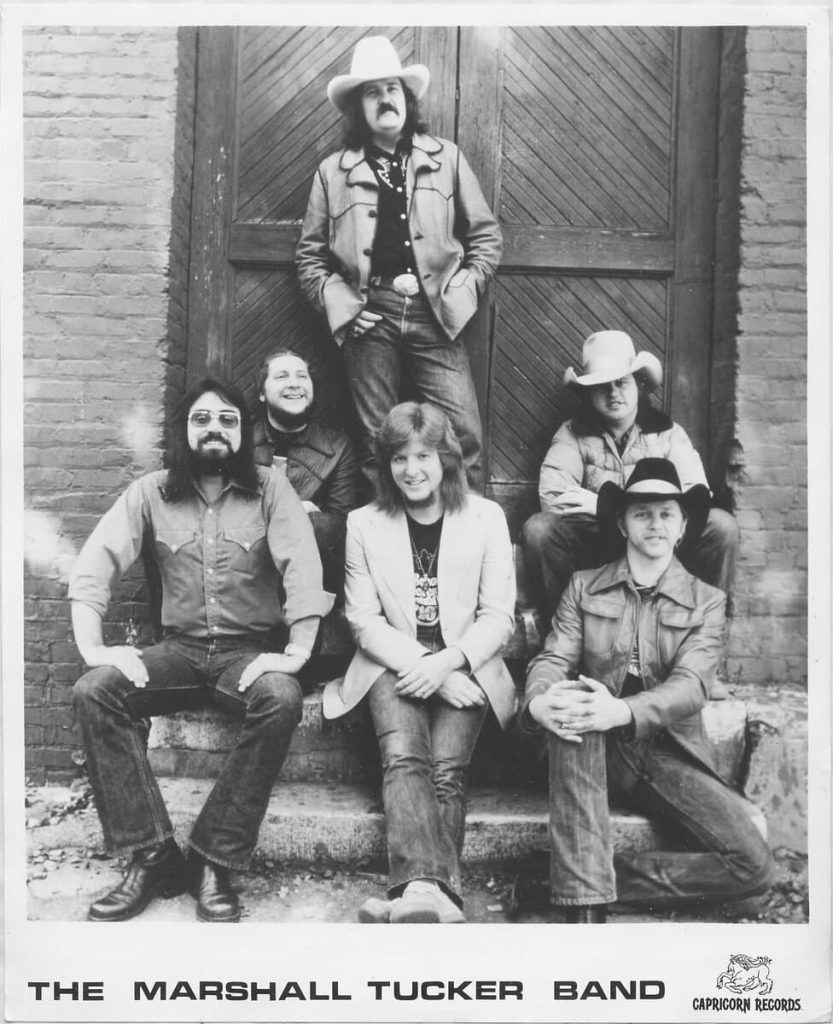
In the mid-1970s, the Southern rock movement was a powerful force, a glorious fusion of blues, rock, and country that was all about freedom, brotherhood, and the open road. At the forefront of this movement stood The Marshall Tucker Band, a group of masterful musicians who blended virtuosic improvisation with soulful songwriting. Their 1974 album, the groundbreaking double-LP Where We All Belong, was a testament to their artistic ambition, famously featuring one side of studio tracks and another of a live performance. Tucked away on the live side, amidst the roaring crowd and the raw, unbridled energy of a concert, was a song that revealed the bittersweet heart of the band. That song was “This Ol’ Cowboy.” It was released as a single, and while it didn’t soar to the top of the charts like some of their contemporaries, it found a powerful, enduring resonance, peaking at number 60 on the Billboard Hot 100 and reaching number 54 on the Easy Listening chart.
The story behind “This Ol’ Cowboy” is a piece of quiet, personal drama that speaks a universal truth. The song, penned by guitarist and primary songwriter Toy Caldwell, is a metaphorical self-portrait. The “ol’ cowboy” isn’t a figure from a movie; he is the weary touring musician, riding the metaphorical trail from town to town. The drama of the song is the stark, painful contrast between the exhilarating high of a live performance—the thunderous applause, the adoring crowd, the shared moment of joy—and the profound loneliness that follows. The narrator is a man celebrated by thousands, yet he is far from the one person whose love truly matters to him. The song is a heartbreaking lament, a confession of the deep, personal cost of chasing a dream.
Its placement on the live side of the album is a key part of the emotional drama. It’s a moment of raw, unvarnished honesty delivered in the very environment the song is about. As you listen, you can hear the crowd’s energy, and then suddenly, the music shifts, becoming intimate and vulnerable. The gentle acoustic guitar and the soulful flute solo by Jerry Eubanks create a sense of profound melancholy, a quiet space for Doug Gray’s heartfelt vocal to tell its tale. He sings the lyrics “This ol’ cowboy wants to go home / Just to be with the girl that I love” with a weary sincerity that feels like a gut punch. It’s the sound of a man who has it all, but would trade it all for a single, quiet moment of love and connection.
For those of us who came of age with this music, “This Ol’ Cowboy” is a time capsule, a powerful reminder that even the most celebrated artists have their own private battles. It’s a song that evokes memories of long drives, of feeling a little lost and alone, and of the powerful comfort that a beautiful song can provide. It speaks to the universal experience of sacrifice, of putting one’s passion before personal happiness, and of the enduring human need for love and home. It remains a timeless and deeply emotional piece of music, a quiet masterpiece that reveals the true, often painful, heart of the rock and roll dream.