
A Quiet Respite from the World’s Relentless Noise: A Late-Career Hymn to Simple Joys and the Necessity of Solitude.
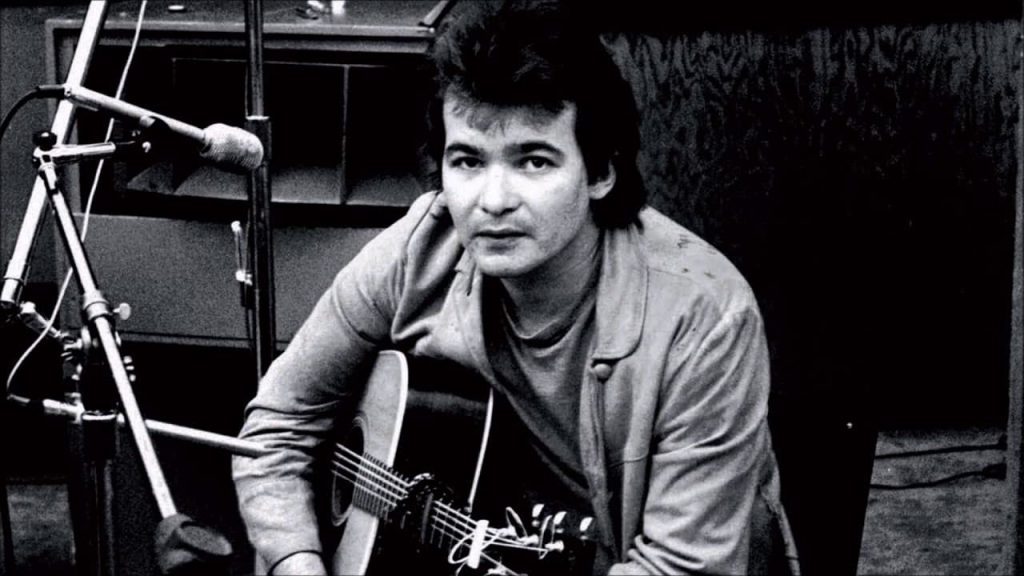
There are artists whose voices become the familiar, cracked sound of wisdom whispered from the back porch of American life, and John Prine—the wry, magnificent poet laureate of the common man—is chief among them. His 2005 album, Fair & Square, arrived after a decade of serious health struggles, marking a triumphant, graceful return to form. It’s an album deeply steeped in the bittersweet knowledge that only time and hardship can impart, and no track on it captures that gentle, hard-won peace better than the exquisite, deceptively simple masterpiece, “Clay Pigeons.”
Key Information: “Clay Pigeons” is one of the centerpiece tracks on John Prine’s 2005 album, Fair & Square. The song itself is a cover, originally written and performed by the brilliant songwriter Blaze Foley in the 1980s. Prine’s album Fair & Square, his first studio album of all-new material since 1995, was a celebrated critical and commercial success, securing a Grammy Award for Best Contemporary Folk Album. The album peaked impressively at No. 55 on the US Billboard 200 and reached No. 1 on the Billboard Folk Albums chart, a testament to Prine’s enduring power. “Clay Pigeons” was not released as a single and thus holds no chart position, existing instead as a beloved, essential album track that immediately felt as if Prine had written it himself.
The story behind this specific recording is one of profound empathy and recognition. John Prine had a lifelong dedication to championing other great, often overlooked songwriters, and the tragic, short-lived genius of Blaze Foley was a cause close to his heart. Foley, a cult figure who lived rough and died tragically in 1989, poured his soul into songs that captured the raw, marginalized beauty of folk life. By recording “Clay Pigeons” with his own weathered, wise voice, Prine performed an act of dramatic musical resuscitation, granting the song—and Foley’s legacy—a massive, appreciative audience that Foley never saw. Prine’s interpretation is quiet, acoustic, and devastatingly tender, turning a simple lament into a hymn.
The meaning of “Clay Pigeons” is a universal meditation on the necessity of withdrawal and self-renewal. The song’s narrator is in a state of self-imposed, weary exile, actively rejecting the burdens and demands of the busy world. He dreams of small, perfect acts of solitude: floating on the water, feeding the pigeons, and the ultimate, cleansing activity: shooting “clay pigeons.” This image is brilliant and layered; it represents practice, aiming at nothing of true consequence, and the satisfying sound of a problem—however metaphorical—shattering into dust. It is a song about seeking sanctuary, but doing so with a wry, self-aware smile.
For older, well-informed readers, this track hits a core nerve of nostalgia and emotional recognition. It perfectly articulates the feeling of reaching a point in life where the grand dramas and chaotic clamor of ambition no longer hold sway. Instead, the greatest luxury becomes simplicity—the right to sit still, watch the river flow, and let the world believe you’ve temporarily vanished. John Prine’s delivery in 2005, following his battle with cancer, imbued the song with a new, profound layer of meaning—a genuine celebration of the simple, unadorned fact of still being alive and still having the clear sight to enjoy the quiet hours. It’s a beautifully melancholic piece, a gentle, dramatic declaration that true freedom is found not in running to something, but in retreating to a safe distance.For those who have ever felt the weight of past mistakes or the longing for a fresh start, “Clay Pigeons” offers a comforting reminder that change is possible. It speaks to the resilience of the human spirit and the enduring hope that, no matter how lost one may feel, the journey toward redemption is always within reach.