
A Fiery Fusion of Jazz, Rock, and Eastern Mysticism
“Birds of Fire,” the electrifying and groundbreaking title track from the Mahavishnu Orchestra‘s seminal 1973 album, is not merely a song; it’s a sonic explosion, a dazzling display of virtuosity, and a testament to the power of musical fusion. While not a traditional chart hit, its impact on the development of jazz-rock fusion and progressive rock is immeasurable. This instrumental masterpiece, with its complex time signatures, soaring melodies, and breathtaking improvisations, remains a touchstone for musicians and a thrilling experience for listeners willing to embark on a challenging yet rewarding musical journey. It represents a bold and innovative approach to music-making, blurring genre boundaries and pushing the limits of instrumental proficiency.
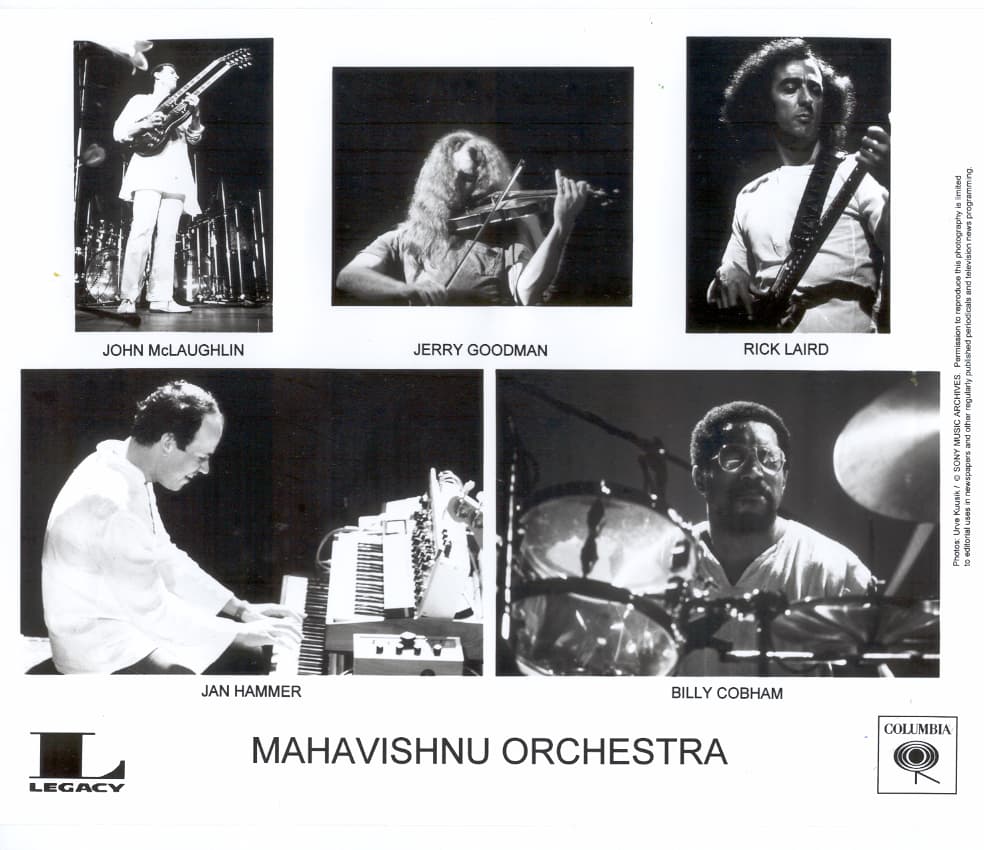
The story behind “Birds of Fire” is inextricably linked to the vision of John McLaughlin, the British guitar virtuoso and spiritual seeker who founded the Mahavishnu Orchestra. Deeply influenced by his studies of Eastern mysticism and his collaborations with Miles Davis, McLaughlin sought to create a music that transcended cultural boundaries, blending the improvisational freedom of jazz with the raw power of rock and the intricate melodic structures of Indian classical music. The Mahavishnu Orchestra, comprised of some of the most talented musicians of the era, including violinist Jerry Goodman, keyboardist Jan Hammer, bassist Rick Laird, and drummer Billy Cobham, became the vehicle for this ambitious vision. “Birds of Fire,” with its fiery energy and intricate arrangements, perfectly encapsulates this fusion, showcasing the individual brilliance of each musician while creating a cohesive and breathtaking whole.
The “Birds of Fire” album is widely regarded as a masterpiece of jazz-rock fusion. It represents a high point in the genre, pushing the boundaries of instrumental music with its complex compositions, virtuosic performances, and its seamless blend of diverse musical traditions. The title track, with its iconic opening riff, its shifting time signatures, and its soaring instrumental interplay, became a signature piece for the band and a benchmark for fusion music. Its influence can be heard in countless subsequent works, inspiring generations of musicians to explore the possibilities of blending different genres and pushing the limits of their instruments.
The meaning of “Birds of Fire” is less about a specific narrative and more about the evocation of a powerful and transcendent experience. The title itself suggests a sense of soaring energy and spiritual awakening. The music, with its intricate melodies, its dynamic shifts, and its moments of both intense energy and quiet contemplation, creates a feeling of both earthly power and otherworldly beauty. The interplay between the instruments, particularly McLaughlin’s soaring guitar and Goodman’s virtuosic violin, suggests a dialogue, a musical conversation that transcends language. The song’s complexity and its demanding technical requirements challenge both the musicians and the listeners, rewarding those who persevere with a sense of profound musical and emotional satisfaction.
For those who appreciate the beauty of instrumental virtuosity and the thrill of musical exploration, “Birds of Fire” is a truly transformative experience. It’s a song that demands attention, that rewards repeated listening, and that continues to inspire awe with its sheer musical power. It represents a bold and innovative approach to music-making, a testament to the power of collaboration, and a reminder that the boundaries of genre are meant to be broken. It’s a song that soars beyond the limitations of language, communicating directly to the soul and leaving a lasting impression of fiery intensity and transcendent beauty.