
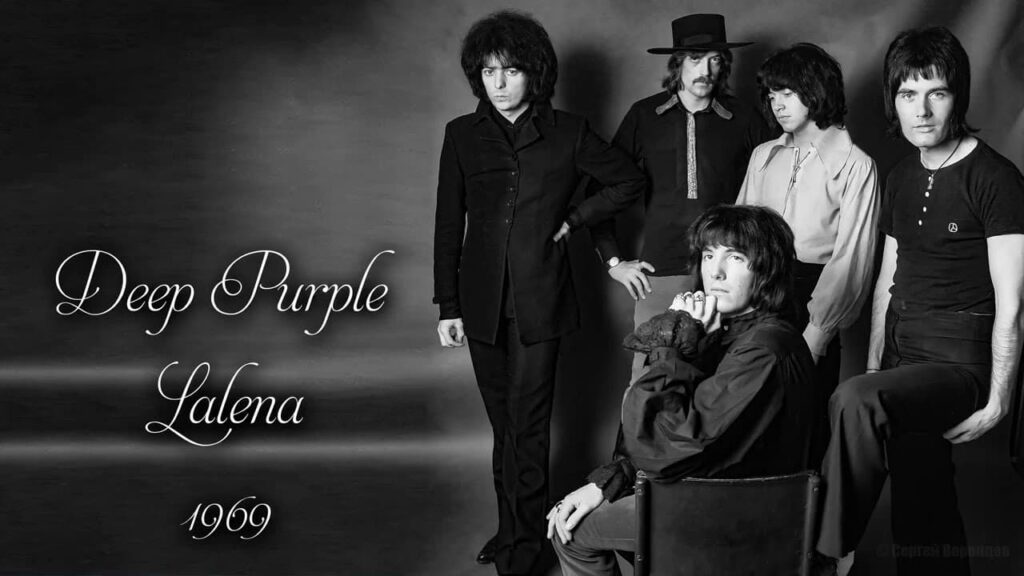
A raw and electrifying explosion of energy, “Hush” marked an early and unforgettable chapter in the legendary story of Deep Purple.
Before they became synonymous with hard rock anthems like “Smoke on the Water” and “Highway Star,” Deep Purple burst onto the scene in 1968 with a surprisingly vibrant and undeniably catchy rendition of Joe South’s “Hush.” This debut single proved to be an immediate sensation, particularly in the United States where it soared to an impressive number four on the Billboard Hot 100 chart. 1 While it didn’t achieve the same level of mainstream success in their native UK upon its initial release, only reaching number forty-seven, “Hush” nonetheless announced the arrival of a formidable new force in music, showcasing their unique blend of rock intensity and unexpected pop sensibility.
The story behind “Hush” is intriguing, as it wasn’t an original composition by the band. Joe South, a respected songwriter known for hits like “Games People Play” and “Walk a Mile in My Shoes,” had released his own version earlier that same year. However, it was Deep Purple’s electrifying and distinctly heavier interpretation that captured the public’s imagination. Their arrangement transformed the song into a dynamic rock track, characterized by Ritchie Blackmore’s searing guitar riffs, Jon Lord’s swirling organ work, and Rod Evans’s powerful vocals. This bold reimagining not only introduced Deep Purple to a wider audience but also demonstrated their ability to take existing material and infuse it with their own burgeoning signature sound.
The meaning of “Hush” in the context of Deep Purple’s rendition takes on a different dimension compared to the original. While South’s version carries a more soulful and introspective feel, Deep Purple’s rendition injects a raw, almost primal energy into the lyrics. The repeated plea of “Hush, hush, I thought I heard her calling my name now” becomes less of a tender whisper and more of a desperate, almost frantic cry. The driving rhythm section and the interplay between the guitar and organ create a sense of urgency and heightened emotion. In this context, “hush” could be interpreted as an attempt to silence the internal turmoil or the overwhelming desire evoked by the subject of the song. It’s a powerful expression of longing and the almost unbearable anticipation of connection.
For those who witnessed the birth of hard rock, “Hush” remains a potent reminder of the exciting musical landscape of the late 1960s. It represents a pivotal moment when rock music was evolving, incorporating elements of blues, psychedelia, and classical influences into a louder, more intense sound. Deep Purple’s rendition of “Hush” perfectly encapsulated this burgeoning energy, its raw power and instrumental prowess hinting at the groundbreaking music they would go on to create. Listening to it today evokes a sense of nostalgia for a time when music felt rebellious and full of uncharted possibilities. “Hush” wasn’t just a hit song for Deep Purple; it was a sonic declaration, announcing the arrival of a band that would leave an indelible mark on the history of rock music, their early energy forever captured in this electrifying and unforgettable track.
 Oldies Songs