
A Contested Ballad of Youthful Allure and Moral Ambiguity
“Young Girl”, a song that propelled Gary Puckett & The Union Gap to the top of the charts, reaching number two on the Billboard Hot 100 in 1968, remains a complex and somewhat controversial piece of pop history. While undeniably catchy and a defining sound of its era, the song’s lyrics, interpreted through a modern lens, raise questions about the nature of attraction and the potential for exploitation inherent in relationships with significant age disparities.
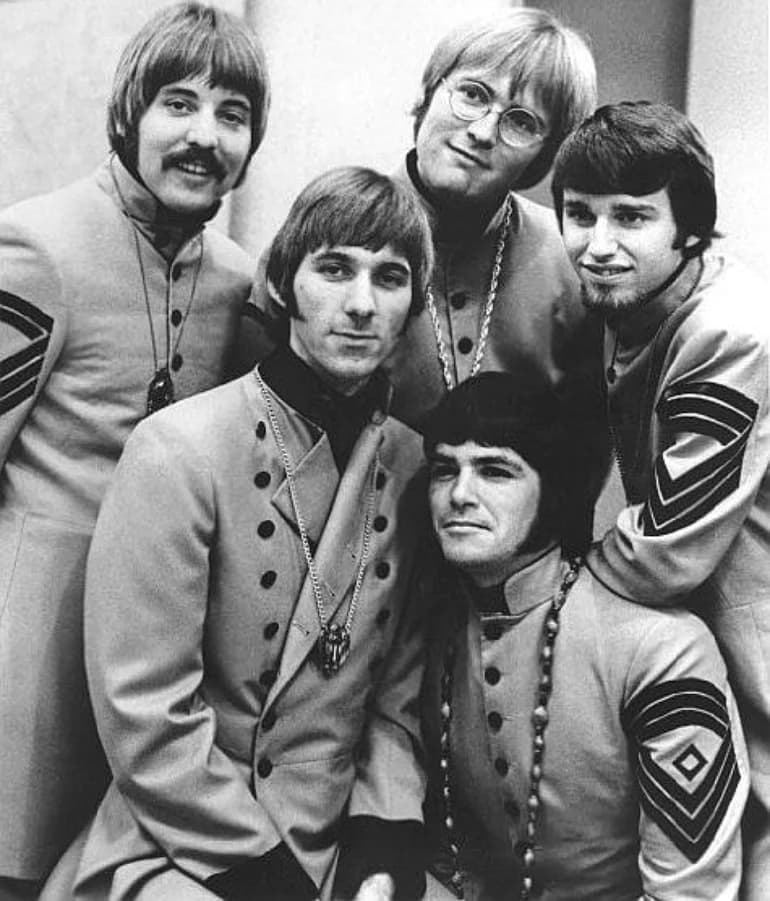
Gary Puckett, with his rich baritone and the band’s distinctive Civil War-era attire, became a prominent figure in the late 1960s pop scene. “Young Girl” was a key ingredient in their success, showcasing Puckett’s emotive vocals and the band’s knack for crafting memorable melodies. However, the song’s narrative, told from the perspective of an older man drawn to a “young girl,” has sparked debate and discomfort in subsequent years, prompting reflection on the power dynamics and ethical considerations involved.
The lyrics of “Young Girl”, penned by Jerry Fuller, express a potent attraction to youthful innocence and beauty. Lines like “Young girl, get out of my mind / My love for you is way out of line” suggest an awareness of a potential impropriety, yet the underlying desire remains palpable. The repeated pleas for the “young girl” to stay away, juxtaposed with the admission of intense feelings, create a tension that is both alluring and unsettling. The ambiguity lies in whether the narrator is expressing a struggle with inappropriate desires or simply acknowledging the societal constraints surrounding such attractions. The final lines, “Young girl, I feel that my time has come / To forget about you, young girl,” offer a semblance of resolution, but the preceding verses leave a lingering sense of unease.
Musically, “Young Girl” is a classic example of late 1960s pop balladry. The lush orchestration, the prominent bassline, and Puckett’s dramatic vocals combine to create a powerful and memorable sound. The song’s structure, building from a more restrained beginning to a soaring chorus, amplifies the emotional intensity of the lyrics. The use of horns and strings adds a layer of sophistication and grandeur, typical of the era’s pop arrangements. The overall effect is one of heightened emotion, mirroring the narrator’s internal conflict.
For those who remember the song’s immense popularity in 1968, “Young Girl” evokes a sense of nostalgia for a specific moment in pop music history. It was a song that dominated the airwaves and resonated with a broad audience. However, viewed through contemporary sensibilities, the lyrics invite a more critical examination of the themes of age, attraction, and potential power imbalances. The song serves as a reminder of how societal norms and perspectives on such issues have evolved over time. While its musicality remains undeniable, “Young Girl” now exists in a complex space, prompting ongoing discussions about its lyrical content and its place within the broader cultural conversation about relationships and age. It stands as a fascinating, if somewhat disquieting, example of a hit song that carries a weight of evolving interpretation.
 Oldies Songs