
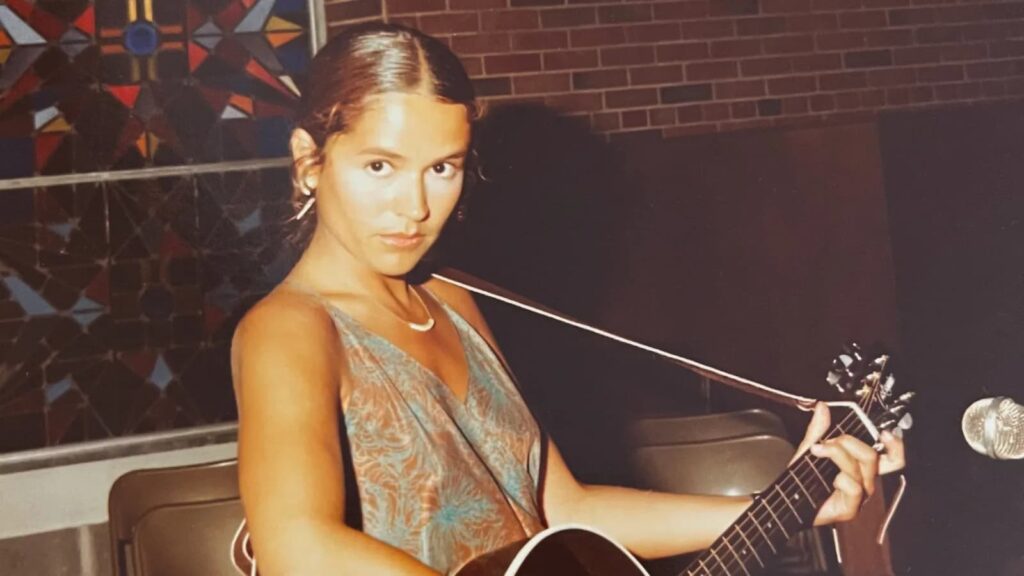
A Warm Embrace of Affection and Hope in a World That Needs It Most
In the tapestry of late 1970s soft rock, few songs shine as brightly and warmly as “Lotta Love,” the breakout hit from Nicolette Larson’s 1978 debut album, Nicolette. Reaching number 8 on the Billboard Hot 100 in February 1979 and topping the Easy Listening chart, this instantly recognizable anthem of affection became a ubiquitous presence on airwaves, offering a soothing balm of optimism and heartfelt sentiment. It’s a song that, even decades later, evokes a sense of comfort and a longing for the simple, profound power of love to heal and connect.
Nicolette Larson, a talented vocalist who had previously lent her voice to a roster of esteemed artists including Commander Cody, Emmylou Harris, and notably, Neil Young, found her own spotlight with “Lotta Love.” The story behind its release is a charming anecdote of serendipity and a testament to Larson’s undeniable charm. The song was originally written and recorded by Neil Young for his 1978 album, Comes a Time. It was during her time providing backing vocals for Young that Larson discovered the track. As the story goes, she found a cassette of Young’s demos on the floor of his car, popped it in, and immediately fell in love with “Lotta Love.” When she expressed her admiration, Young, with characteristic generosity, simply said, “You want it? It’s yours.” This casual gift became the cornerstone of her debut album and a defining moment in her career, launching her into mainstream success.
At its heart, “Lotta Love” is a straightforward yet profoundly affecting plea for more understanding, empathy, and compassion in the world. The lyrics, penned by Neil Young, are disarmingly simple, opening with the resonant lines: “It’s gonna take a lotta love / To change the way things are.” This isn’t just about romantic love; it’s a broader message of collective human connection. In an era marked by shifting social landscapes and lingering uncertainties, the song offered a gentle reminder of the fundamental need for kindness and shared humanity. The repeated chorus, “It’s gonna take a lotta love, and we won’t get too far,” serves as both a gentle warning and an earnest appeal, emphasizing the power of unity and affection to navigate life’s challenges. Larson’s delivery is imbued with a genuine warmth and sincerity, making the message feel less like a preachment and more like a comforting embrace.
Musically, “Lotta Love” is a masterclass in elegant, accessible soft rock production, helmed by the renowned Ted Templeman, who was also producing the likes of the Doobie Brothers and Van Halen at the time. The arrangement is clean and polished, featuring a smooth, infectious groove, tasteful keyboards, and a shimmering guitar line. Larson’s vocal performance is simply exquisite – her voice, with its clear tone and natural warmth, glides effortlessly over the melody, conveying both vulnerability and strength. There’s a subtle gospel-inflected quality to her delivery that adds an emotional depth, making the song feel both intimate and expansive. The backing vocals are lush and harmonious, contributing to the song’s overall feel-good vibe, while never overshadowing the lead. It’s a testament to the era’s sophisticated studio craftsmanship, creating a sound that was instantly appealing and effortlessly memorable.
“Lotta Love” became more than just a hit song; it became an iconic representation of a particular moment in popular music. For many, it evokes nostalgic memories of car rides with the radio on, sunny afternoons, and the simple joy of a catchy, feel-good tune. Nicolette Larson’s version, with its polished sheen and Larson’s radiant vocals, transcended Neil Young’s more rustic original, finding a massive audience ready to embrace its message of hope and connection. While Larson’s career after “Lotta Love” saw her explore various musical avenues, often returning to her country roots, this song remains her indelible legacy—a timeless reminder that sometimes, all it takes is a little bit of love to make all the difference in the world.