
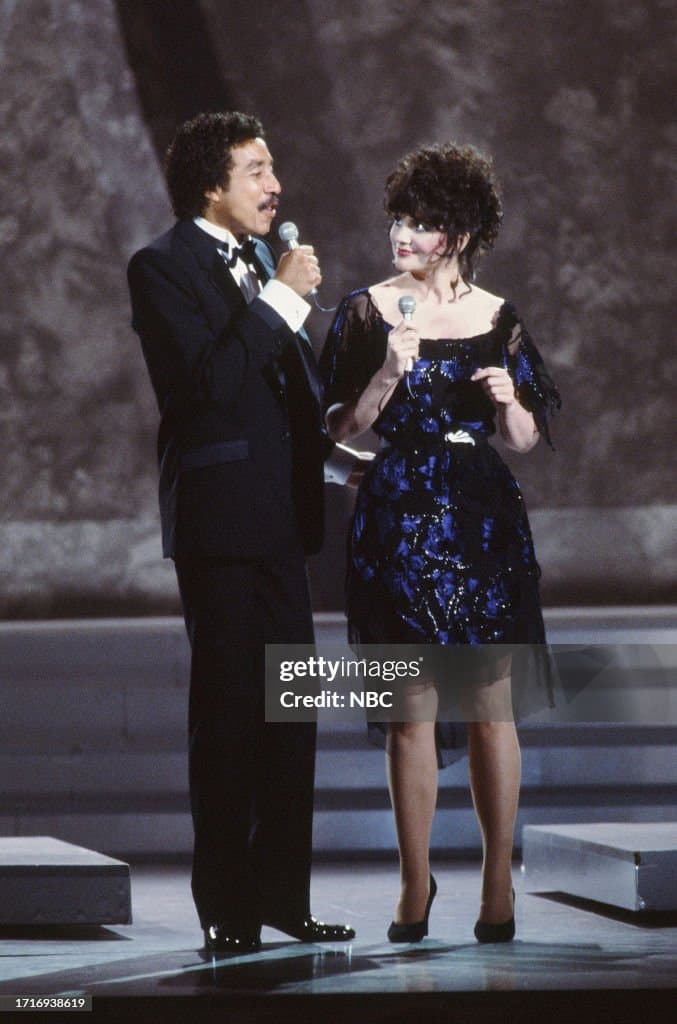
The Exquisite Ache of Lost Love: Linda Ronstadt’s “Ooo Baby Baby”
For anyone who came of age with a radio glued to their ear, few sounds were as captivating as the crystalline purity of Linda Ronstadt’s voice. She was a chameleon, effortlessly navigating genres, yet always imbuing each note with a profound emotional honesty. And when she wrapped that voice around a timeless classic like Smokey Robinson’s “Ooo Baby Baby,” the result was nothing short of breathtaking. Her rendition, released in November 1978 from her blockbuster album “Living in the USA,” became a significant hit, peaking at number 7 on the Billboard Hot 100 and reaching an impressive number 2 on the Easy Listening chart. This wasn’t just a cover; it was a reimagining, a testament to the enduring power of a song that speaks directly to the delicate, often agonizing, dance of love and regret.
The original “Ooo Baby Baby,” penned by Smokey Robinson and Pete Moore, and released by The Miracles in 1965, is a quintessential Motown ballad – a masterclass in elegant sorrow. It tells the universal story of a lover’s remorse, a poignant plea for forgiveness after a transgression. Smokey’s falsetto, raw and vulnerable, conveyed the ache of a man desperately seeking to mend a broken heart, his own fault. It was a song steeped in the sophisticated soul of Hitsville, a testament to the label’s ability to turn deeply personal feelings into universally relatable art. The track was highly influential, listed at number 266 on Rolling Stone Magazine’s “The 500 Greatest Songs of All Time,” cementing its place in music history long before Ronstadt ever laid her voice upon it.
Linda Ronstadt, ever the astute interpreter, understood the exquisite heartbreak embedded in Robinson’s lyrics. By the late 1970s, Ronstadt had already established herself as a powerhouse vocalist, a queen of rock and country-rock, with a string of hits that showcased her incredible range and versatility. Yet, she frequently delved into the rich catalog of classic rhythm and blues and soul, bringing her unique interpretive genius to songs like Martha & The Vandellas’ “Heat Wave” and The Miracles’ “The Tracks of My Tears.” Her decision to tackle “Ooo Baby Baby” for “Living in the USA” was a natural fit, allowing her to explore the tender, more vulnerable facets of her vocal prowess.
What Linda Ronstadt brought to “Ooo Baby Baby” was a different kind of anguish. While Smokey’s original was the heartfelt confession of a repentant sinner, Ronstadt’s interpretation, framed by the soulful saxophone solo of David Sanborn, felt more like a whispered, almost desperate, realization of irreversible loss. Her voice, so often powerful and soaring, here possessed a fragile vulnerability, a quiet ache that resonated deeply. It wasn’t about the grand gesture of apology, but the slow, dawning understanding of having pushed someone away, perhaps irrevocably. For many, it evoked memories of their own youthful missteps, the words left unsaid, the chances forever missed.
The genius of Ronstadt’s version, and indeed the enduring legacy of the song itself, lies in its ability to tap into that universal human experience of regret. Who among us hasn’t, at some point, looked back on a moment, a decision, or a spoken word, and wished desperately to rewind time? The song’s tender melody and simple, direct lyrics cut straight to the core of that longing. It’s a reminder of the fragility of relationships and the profound cost of indifference or infidelity. For older listeners, it’s a melancholy echo of past loves, a poignant reflection on the roads not taken, and the enduring power of those “ooo baby, baby” moments that linger in the heart, forever tinged with what might have been. Linda Ronstadt didn’t just sing “Ooo Baby Baby”; she felt it, and in doing so, allowed generations of listeners to feel it with her.