
“The King Will Come”: A Lyrical Odyssey of Hope, Longing, and the Search for Deliverance.
There are compositions in the vast tapestry of classic rock that transcend mere musicality, evolving into sweeping, almost cinematic soundscapes that invite the listener on a journey. For those of us who delved deep into the rich, intricate world of progressive rock and melodic hard rock of the early 1970s, Wishbone Ash’s “The King Will Come” is precisely one such evocative masterpiece. Released in 1972 on their seminal album, Argus, this track is not just a song; it’s a lyrical odyssey, a blend of poetic yearning and musical grandeur that speaks to themes of hope, anticipation, and the eternal human quest for guidance or salvation. Its intricate guitar interplay and evocative lyrics resonate deeply with those who appreciate music that stirs both the mind and the soul, sparking reflections on fate, belief, and the arrival of change.
While Wishbone Ash was, and remains, a band primarily celebrated for its album-oriented rock and virtuoso twin-lead guitar work rather than chart-topping singles, Argus itself was a monumental success that brought them widespread critical acclaim and a significant loyal following. The album peaked at number 16 on the UK Albums Chart in 1972 and also made a notable impact on the Billboard 200 chart in the United States, reaching number 169. Within this iconic album, “The King Will Come” stood out as a highlight, cherished by fans and frequently featured in their live performances. It wasn’t designed for radio play in the typical single format; instead, its power resided in its immersive qualities, meant to be experienced as part of a cohesive artistic statement. For those of us who eagerly awaited the release of new albums and absorbed every note, this track was a cornerstone of Argus, contributing significantly to its enduring legacy as one of the definitive progressive rock albums.
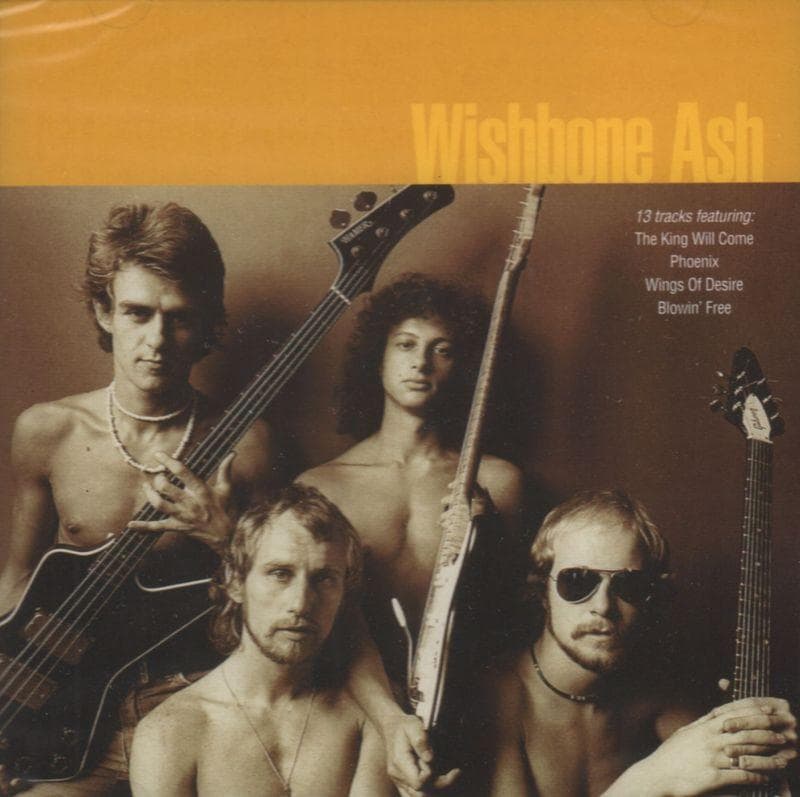
The story behind “The King Will Come” is intrinsically linked to the collective songwriting genius of Wishbone Ash during their most creative period. The band, comprised of Andy Powell (guitar, vocals), Ted Turner (guitar, vocals), Martin Turner (bass, vocals), and Steve Upton (drums), was renowned for its democratic songwriting process and the innovative interplay of their twin lead guitars. The lyrics for many of their songs, including this one, were primarily crafted by bassist Martin Turner, often drawing inspiration from a blend of historical, mythological, and philosophical themes. For “The King Will Come,” the imagery evokes a medieval or mythical setting, hinting at a prophecy or a long-awaited event. This lends the song a timeless quality, allowing listeners to project their own interpretations onto its narrative. It’s a testament to the band’s vision that they could craft such an epic and thought-provoking piece, seamlessly blending intricate musicality with poetic storytelling.
The meaning of “The King Will Come” is open to rich interpretation, making it all the more compelling. On one level, it can be seen as a straightforward narrative of awaiting a benevolent ruler or a heroic figure who will bring order, justice, or change to a land in turmoil. The “King” could symbolize a political leader, a spiritual savior, or even a personal turning point in one’s life. The lyrics speak of the world awaiting his arrival, the signs of his coming, and the hope he represents: “The king will come, the king will come, and all the world will sing.” There’s an undeniable sense of longing and anticipation, a plea for deliverance from uncertainty or hardship. For older listeners, this resonates with a myriad of life experiences – waiting for a breakthrough, hoping for a resolution to a prolonged struggle, or simply anticipating a significant, positive shift in circumstances.
Beyond the literal interpretation, the song also touches upon themes of faith, destiny, and the human inclination to seek guidance or a higher purpose. The majestic, almost hymnal quality of the music, particularly the soaring twin-guitar harmonies, elevates the narrative, giving it an epic and spiritual dimension. It’s a journey not just through a mythical land, but through the landscape of the human heart, where hope, fear, and the yearning for something greater constantly interplay. “The King Will Come” remains a powerful example of Wishbone Ash’s ability to craft music that is both intellectually stimulating and deeply emotionally resonant, inviting us to reflect on our own waiting, our own hopes, and the kings – be they literal or metaphorical – we patiently, or sometimes desperately, anticipate in our lives.