
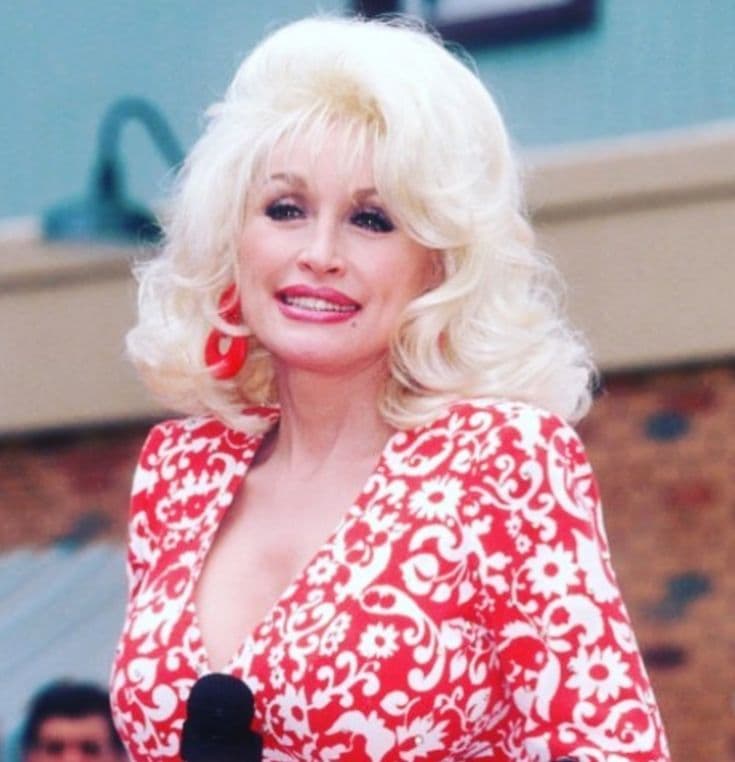
“Down From Dover”: A Heart-Wrenching Ballad of Abandonment, Shame, and Unwavering Hope Amidst Despair.
There are songs that, with their very first chord, envelop you in a narrative so vivid, so raw with human emotion, that they cease to be mere music and become a shared experience. Dolly Parton’s “Down From Dover” is precisely such a song. Released in 1970 on her seventh solo studio album, The Fairest of Them All, this isn’t a cheerful country ditty; it’s a profound, almost gothic, storytelling masterpiece that delves into the darkest corners of rural life and the human spirit’s tenacious grip on hope, even when faced with overwhelming abandonment and societal scorn. For older readers, it resonates with the quiet tragedies sometimes hidden beneath the surface of everyday life, stirring deep reflections on compassion, resilience, and the relentless march of time.
While “Down From Dover” was not released as a single and therefore did not chart on the Billboard Hot Country Singles or Hot 100, its impact was felt profoundly within the album context and among serious admirers of Dolly Parton’s songwriting prowess. The Fairest of Them All itself was a respectable performer on the country albums chart, peaking at number 13 on the Billboard Top Country Albums chart in 1970. Within this album, “Down From Dover” stood out as a critical highlight, showcasing Parton’s fearless approach to challenging subject matter and her unparalleled ability to craft compelling narratives. It became a fan favorite, admired for its emotional depth and the stark honesty with which it painted its tragic picture, solidifying its place as a hidden gem in her vast and illustrious catalog.
The story behind “Down From Dover” is a testament to Dolly Parton’s genius as a songwriter and storyteller. Unlike many of her more autobiographical tunes, this song is a fictional narrative, born entirely from her imagination, yet imbued with such detail and emotional truth that it feels utterly real. Parton has often spoken about her desire to write songs that explore the lives of marginalized or misunderstood characters, bringing their struggles and triumphs to light with empathy and dignity. “Down From Dover” is a prime example of this commitment. She penned the song entirely herself, creating a harrowing tale that unfolds like a Southern Gothic short story. The narrative is delivered with a simple, sparse arrangement, allowing Parton’s pure, emotive vocals to carry the full weight of the emotional content.
The meaning of “Down From Dover” is a harrowing exploration of betrayal, isolation, and the desperate yearning for reconciliation. The song is told from the perspective of a young, unmarried pregnant woman, abandoned by her lover who promised to return “from Dover” to marry her. She is shunned by her family and community, forced to live in seclusion, hiding her condition. The lyrics paint a bleak picture of her waiting, day after day, for a man who never comes: “My folks have disowned me, said I was a shame / And they wouldn’t even call out my name / I’m here in this lonely old house / And I’m waitin’ for a baby to be born.” The repeated refrain of her lover coming “down from Dover” becomes a symbol of her desperate, almost delusional, hope, a fragile shield against the crushing reality of her abandonment. The ultimate tragedy of the song comes when her baby is stillborn, a devastating culmination of her suffering: “And then I had my baby, Lord, she was born dead.” Yet, even in this profound despair, the final lines cling to that thread of hope, “And I’m still waiting here for my love to come down from Dover,” showcasing the human spirit’s almost irrational capacity for endurance.
For older readers, this song carries a powerful resonance. It speaks to the harsh judgments of society, the vulnerability of young women, and the silent suffering that often occurs behind closed doors. It evokes memories of a time when such circumstances carried immense social stigma, and the choices for young, unwed mothers were brutally limited. More universally, it taps into the experience of profound disappointment, of waiting for someone who never arrives, and the enduring pain of broken promises. Yet, through its raw honesty, “Down From Dover” also highlights a fierce, almost tragic, resilience – the refusal to fully relinquish hope, even when hope itself seems cruel. It stands as a powerful testament to Dolly Parton’s masterful ability to not just sing a song, but to embody a story, leaving an indelible mark on the listener’s heart and mind.