
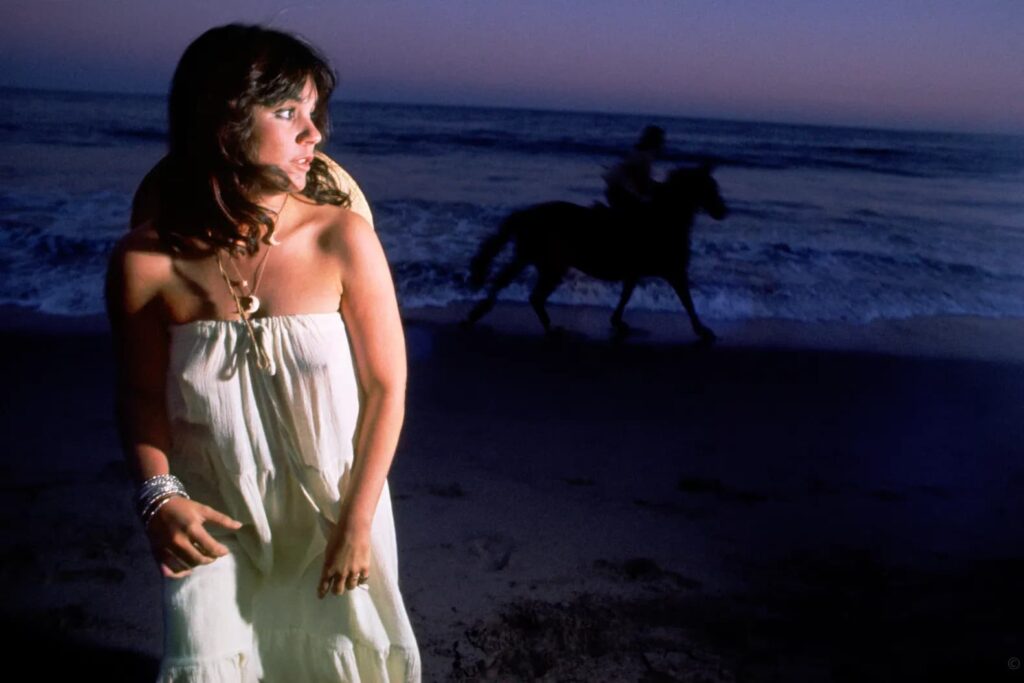
“Ooh Baby Baby”: A Heartfelt Plea for Reconciliation and the Lingering Ache of Lost Love.
There are melodies that, even decades after their release, retain a timeless resonance, speaking directly to the universal pangs of the human heart. For those of us who navigated the complex emotional landscape of the 1970s, or who simply appreciate the profound artistry of a voice capable of conveying every nuance of sorrow and longing, Linda Ronstadt’s exquisite rendition of “Ooh Baby Baby” stands as a true masterpiece. Released in 1978 as a single from her monumental album, Living in the USA, this song isn’t merely a cover; it’s a tender, almost fragile plea for reconciliation, imbued with an aching vulnerability that has made it a touchstone for anyone who has ever yearned for a second chance in love. It evokes a potent nostalgia for an era when emotional honesty in music was paramount, stirring deep reflections on past loves and the enduring hope for repair.
Upon its release as a single in November 1978, “Ooh Baby Baby” became another significant chart success for Linda Ronstadt, further solidifying her reign as one of the era’s most beloved and respected vocalists. It peaked at an impressive number 7 on the Billboard Hot 100 chart in the United States, and also performed strongly on the Adult Contemporary chart, reaching number 2. The song was a highlight on her hugely successful album Living in the USA, which itself hit number 1 on the Billboard 200 album chart and was certified multi-platinum, selling millions of copies. Its widespread airplay and chart performance ensured that Ronstadt’s tender interpretation became deeply embedded in the cultural consciousness of the late 1970s. For many of us, hearing those delicate opening notes on the radio was an instant cue to listen intently, to connect with the raw emotion that only Linda could so perfectly convey.
The story behind “Ooh Baby Baby” actually predates Ronstadt’s version by over a decade. The song was originally written and recorded by the legendary Motown group Smokey Robinson & The Miracles in 1965. Written by Smokey Robinson and Pete Moore, their original version was a quintessential Motown ballad, full of soulful harmonies and Robinson’s signature falsetto. It was a Top 20 hit on the Billboard Hot 100 for them, becoming a beloved classic in the R&B canon.
Linda Ronstadt’s decision to cover such a revered Motown classic for her Living in the USA album speaks volumes about her fearless approach to material and her ability to transcend genres. Produced by her long-time collaborator Peter Asher, Ronstadt’s version stripped away some of the original’s lush Motown orchestration, opting for a more nuanced, pop-rock arrangement that highlighted her incredible vocal range and emotional depth. Her performance is characterized by an exquisite control, moving from a breathy vulnerability in the verses to a soaring, almost desperate plea in the chorus. She doesn’t imitate Robinson; rather, she reinterprets the song through her own unique lens, making it entirely her own. It’s a testament to her artistry that she could take a song so iconic and give it a new, equally compelling life.
The meaning of “Ooh Baby Baby” is a deeply emotional appeal from someone who recognizes their past mistakes in a relationship and desperately seeks a second chance. The lyrics are a heartfelt confession of regret and a tender plea for reconciliation: “I’m so sorry, ooh so sorry / Just can’t believe that I’m the one who’s hurting you.” It speaks to the painful realization that you’ve pushed someone away, and the intense longing to rewind time and make things right. The repeated refrain, “Ooh baby baby, how can I tell you / How much I miss you, how much I want you,” captures the raw, aching desire for closeness and the inability to fully articulate the depth of one’s remorse and love. For older readers, this song taps into universal experiences of regret, forgiveness, and the enduring hope that love, once lost, might be rekindled. It evokes memories of past relationships, of missed opportunities, and the profound emotional weight of words left unsaid or apologies offered too late. Ronstadt’s “Ooh Baby Baby” is a timeless anthem for the brokenhearted, a gentle yet powerful reminder that even amidst the pain of separation, the yearning for connection and the possibility of redemption can persist, making it a truly unforgettable and deeply resonant piece of music.
 Oldies Songs