
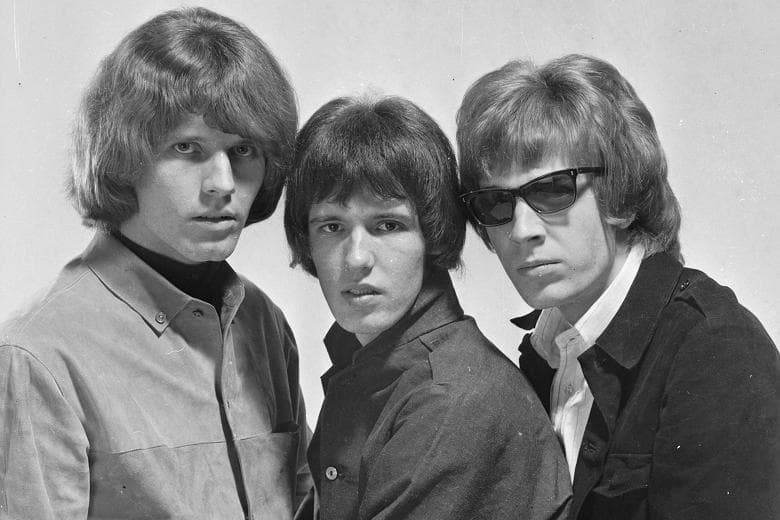
A Grand, Theatrical Statement of Despair, a Haunting Chronicle of a Heartbreak So Profound It Extinguishes the Light of the World.
In the mid-1960s, as the British Invasion swept across the globe, an ironic twist of fate occurred: three Americans, who had traveled to England seeking fame, became superstars there. This trio, with their cinematic sound and pop-idol looks, were none other than The Walker Brothers. Their music was a dramatic, orchestral counterpoint to the raw energy of the Beatles and The Rolling Stones. And in 1966, they released a single that would not only define their sound but also become an enduring anthem of romantic tragedy. That song was “The Sun Ain’t Gonna Shine Anymore.” It was a massive hit, a glorious ascent that took it all the way to number one on the UK Singles Chart. While it found a more modest audience in their home country, reaching number 13 on the Billboard Hot 100, its impact was undeniable. The song was the title track of their album released later that year, but its dramatic power came from a single, shattering performance.
The story behind “The Sun Ain’t Gonna Shine Anymore” is one of artistic transformation, a tale of how a good song can be reborn as a monumental piece of emotional drama. The song was not an original, but a cover of a lesser-known 1965 single by Frankie Valli. While Valli’s version was a powerful, soulful plea, The Walker Brothers—and particularly their frontman Scott Walker—saw a different story within its lyrics. They saw a grand, operatic tragedy. The song was reimagined with a sweeping, “Wall of Sound”-style production by their mentor and producer John Franz. The studio became a theatrical stage, with lush, swelling strings, dramatic timpani, and soaring backing vocals that created a magnificent sonic tapestry. The drama of the song lies in its scale, the way it takes a single, personal heartbreak and turns it into a universal, cataclysmic event.
The lyrical drama unfolds like a theatrical monologue from a protagonist who has just been shattered. The world has not just lost its color; it has lost its very source of light. Scott Walker’s deep, mournful baritone is the central character in this tragedy. He doesn’t just sing the words; he embodies the profound, all-consuming sadness of a soul in crisis. Lines like “Loneliness is a cloak you wear / A deep shade of blue is always there” aren’t just descriptions of sadness; they are declarations of an emotional paralysis, a grief so heavy it is a physical burden. The song’s emotional peak comes as the music swells to a majestic climax, a moment of breathtaking intensity that perfectly mirrors the overwhelming feelings of a heart in despair. It is a performance of epic proportions, a testament to the power of a voice and a producer’s vision to transform a simple sentiment into a timeless piece of art.
For those who lived through this era, “The Sun Ain’t Gonna Shine Anymore” is a time capsule, a powerful reminder of the profound, emotional power of music. It evokes memories of a time when songs were not just to be listened to, but to be felt, to be experienced on a visceral level. It is a song that speaks to a universal truth: that heartbreak can be so devastating that it feels like the end of the world. It is a beautiful, haunting, and deeply emotional classic that continues to resonate with its grand, cinematic drama.