
A Heartbreaking and Profound Confession of Love Lost, a Melancholy Anthem to the Enduring Pain of Regret.
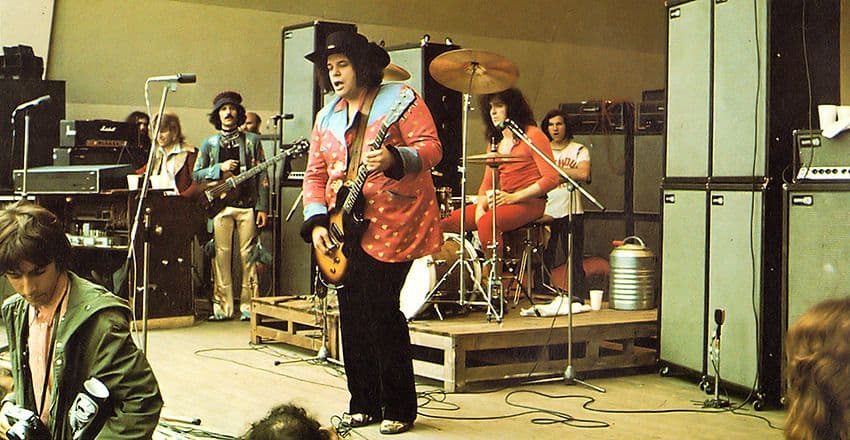
In 1971, Mountain was a colossal force, a band that stood as a testament to the unadulterated power of hard rock. Built on the foundation of Felix Pappalardi’s thunderous bass and the undeniable, blues-infused guitar genius of Leslie West, the band’s music was a sonic assault, a wave of raw energy that swept over stadium crowds. Their 1971 album, Nantucket Sleighride, was a definitive statement of their sound, a record that cemented their place in rock history and climbed to a peak of number 16 on the Billboard 200. But amidst its heavy blues anthems and iconic riffs, there was a song that revealed a different, more vulnerable side of the band. That song was “My Lady.” It was never a single, nor did it ever find its way onto the charts, yet it holds a special place in the hearts of fans, its power lying not in commercial success but in its quiet, heartbreaking honesty.
The story of “My Lady” is a drama of emotional paradox. While Mountain was known for its sheer volume and aggressive bravado, this song is a complete reversal, a quiet, theatrical monologue of a man in deep, unadulterated pain. The lyrics, penned by Leslie West and Felix Pappalardi, speak of a love that is now gone, a memory that haunts the narrator like a ghost. The song is a moment of profound vulnerability for a band that projected an image of invincible power. It’s the sound of a titan weeping, and that stark contrast is the very source of its emotional weight and enduring resonance. This musical lament is a sad, slow walk through a garden of forgotten memories, a painful recollection of a love that slipped away and can never be reclaimed.
The lyrical and musical drama of the song is a masterclass in emotional storytelling. The song begins with a gentle, blues-inflected acoustic guitar, a somber and delicate opening that immediately sets a scene of quiet desolation. Leslie West’s voice, so often a powerful, roaring force, is here soft, almost a whisper, filled with a raw, unpolished emotion that makes the pain feel palpable. The song’s structure builds slowly, as if the narrator is gathering the courage to tell his story. Then, when the electric guitar enters, it’s not with a thunderous riff, but with a series of crying, soulful bends that sound like a lament. The guitar is not just playing a solo; it is weeping, expressing the deep pain of regret and loss in a way that words cannot. This is the song’s emotional climax, a powerful release of all the pent-up sorrow.
For those of us who came of age with this music, “My Lady” is more than a song; it’s a testament to the band’s depth and humanity. It showed that even the most powerful rock bands could reveal a fragile, emotional core. It’s a nostalgic reminder of a time when album tracks were as vital as the singles, when artists poured their entire souls into their work. It’s a timeless piece of music that speaks to the universal experience of love and loss, and the quiet, enduring pain of regret. It remains a beautifully raw and profoundly emotional piece of rock history, a quiet masterpiece that continues to resonate with its cinematic drama.