
A Profound and Triumphant Anthem of Moral Conflict, a Hero’s Resigned Acceptance of His Solitary Destiny.
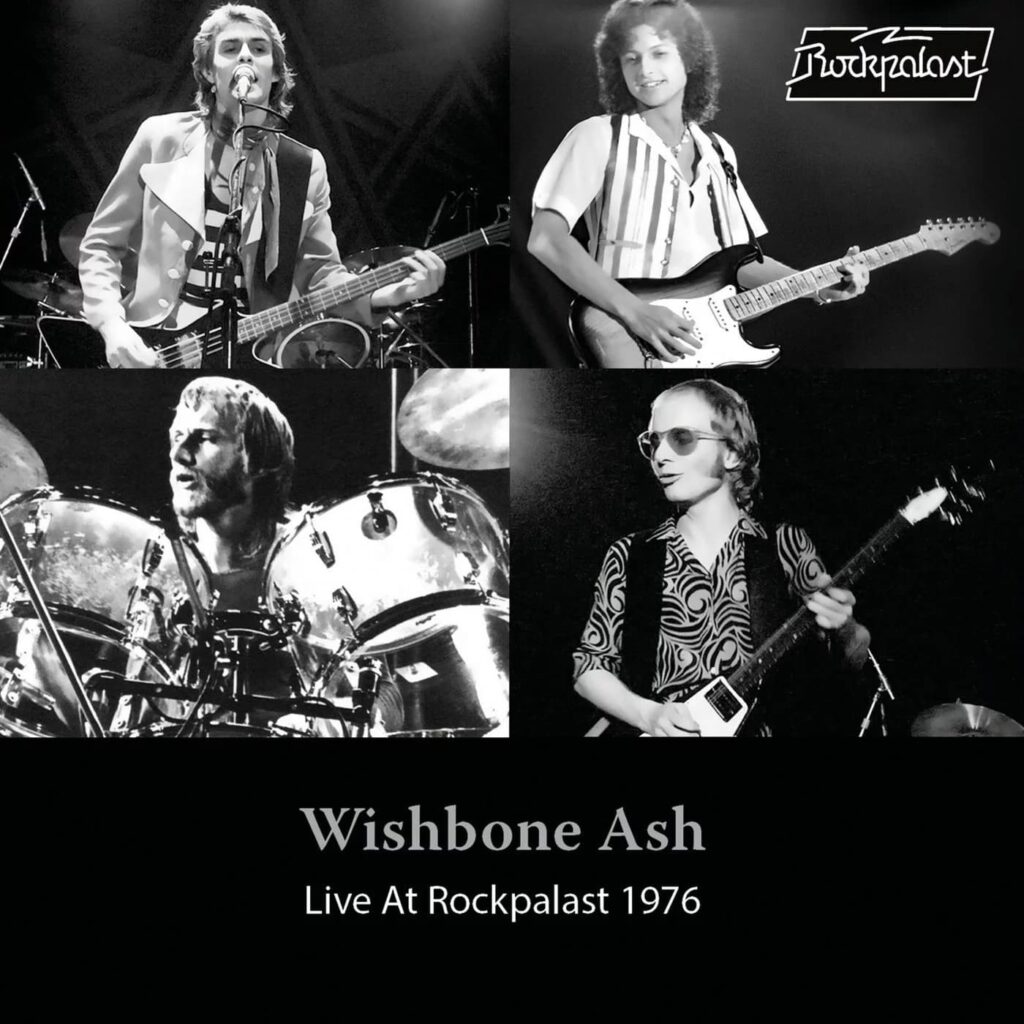
In the early 1970s, as the musical landscape was shifting from the psychedelic chaos of the ’60s to the more ambitious, theatrical sounds of progressive rock, a band named Wishbone Ash was forging a unique path. With their distinctive twin-guitar attack, they created a sound that was both majestically complex and deeply rooted in folk and blues. Their 1972 masterpiece, the album Argus, was a crowning achievement, a record so powerful it was named “Album of the Year” by Sounds magazine and soared to number 3 on the UK Albums Chart. Within this cinematic concept album, a record loosely built around themes of war, peace, and the human condition, was a track that stood out as its profound emotional core. That song was “Warrior.” It was never a single and never found its way onto the charts, a fact that only deepens its allure as a cherished, intimate masterpiece. Its power lies not in fleeting popularity, but in its profound, dramatic narrative—a deeply personal journey of a hero’s internal conflict.
The story of “Warrior” is a timeless piece of musical mythology, a dramatic tale that could have been ripped from the pages of an ancient epic. The song’s protagonist is a soldier, a “warrior” by trade, but his heart and mind are at a crossroads. He is no longer fighting for glory or for a cause he truly believes in, but for a destiny imposed upon him by others. The drama is entirely an internal one—the silent, painful battle between his sense of duty and his dawning moral conscience. The lyrics, co-written by the band’s twin-guitarists Andy Powell and bassist Martin Turner, are a raw, unvarnished confession, a moment of profound vulnerability from a person who is supposed to be unbreakable. He is a hero who has realized the futility of his fight and the emptiness of his path, and the song is his quiet, solemn plea for understanding.
The true genius of “Warrior” lies in how the music itself tells the story. The song begins with a somber, almost mournful introduction, a quiet moment of introspection before the emotional storm. The initial folk-infused melody is a gentle reflection of the protagonist’s weary soul. Then, as the narrative unfolds, the legendary dual electric guitars of Andy Powell and Ted Turner enter, building in intensity and creating a dramatic, powerful climax. Their twin-guitar harmonies don’t just play; they duel and weep, expressing the internal conflict of the warrior in a way that words cannot. One guitar seems to represent the call of duty, the other the voice of doubt and conscience, and their intertwining harmony is a beautiful, melancholic resolution. The song’s triumphant, yet mournful, ending suggests that while the warrior has found his truth, his path forward will be a solitary and difficult one.
For those who came of age with this music, “Warrior” is more than a song; it’s a time capsule, a powerful reminder of an era when albums were cohesive, immersive artistic statements. It’s a song that speaks to the universal experience of finding your own moral compass and the courage it takes to stand alone against the world. It’s a nostalgic echo of a time when we were unafraid to explore the deeper, more profound questions of the human experience. “Warrior” remains a timeless and profoundly emotional piece of music, a beautiful and haunting tale that continues to resonate with its cinematic and deeply human drama.