
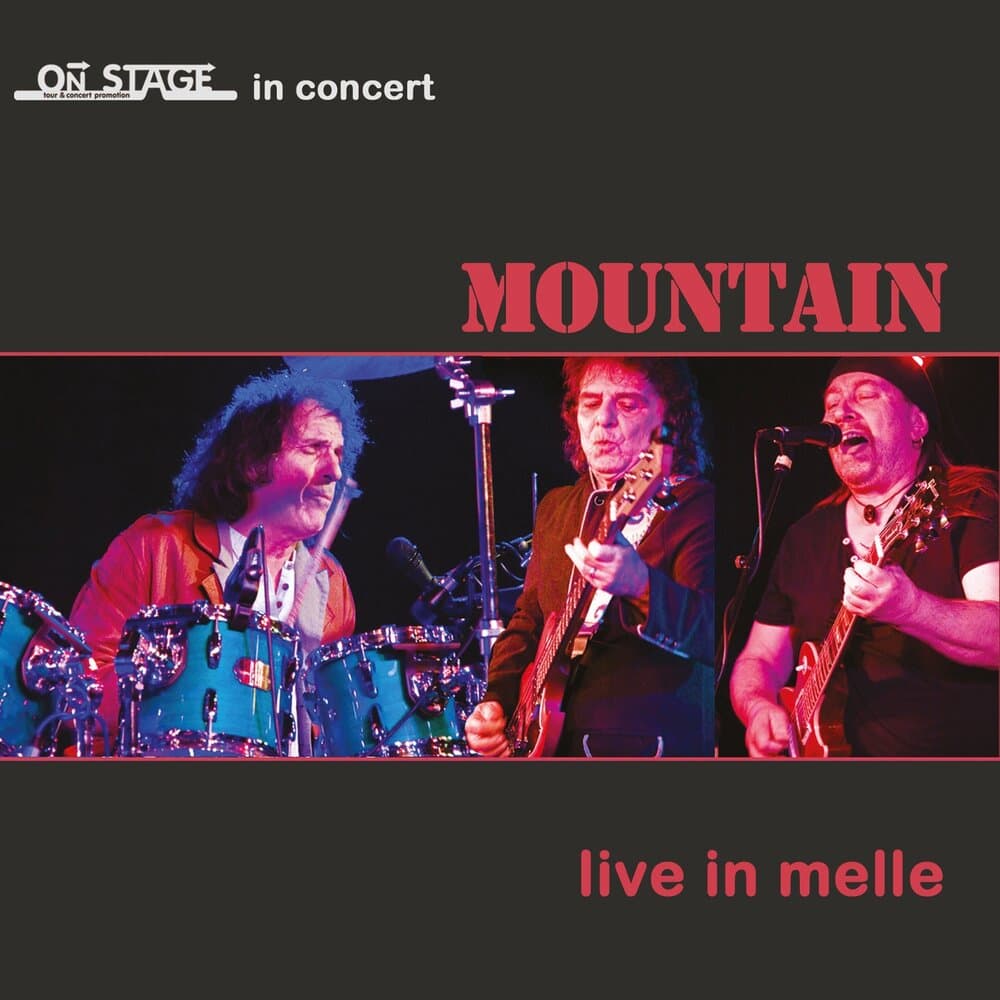
A Somber and Powerful Blues-Rock Odyssey, a Cinematic Tale of a Solitary Journey Through Despair and Loss.
In the early 1970s, as the idealism of the previous decade began to fade, a new and heavier sound was emerging from the American rock scene. It was a sound that was less concerned with revolution and more with raw, honest emotion, and it was championed by a power trio of immense talent known as Mountain. Their 1971 album, Nantucket Sleighride, was a crowning achievement, a record that distilled their heavy blues sound into a cohesive, cinematic work of art. The album was a commercial success, reaching a peak of number 16 on the Billboard 200, but its true power lay in its ability to take listeners on a journey. Within its tracklist was a song that was never a single, never hit the charts, and yet became an enduring masterpiece for those who truly understood its language. That song was “Travellin’ In The Dark.” Its power lies in its profound, dramatic narrative—a deeply personal and melancholic journey into the heart of a soul lost and alone.
The story of “Travellin’ In The Dark” is a tragic, yet universally human, one. The drama is a deeply internal paradox, a solitary journey through an emotional landscape with no clear path forward. The lyrics, penned by bassist Felix Pappalardi and his wife Gail Collins, are a raw, first-person monologue from a person who has lost their way. They are “travellin’ in the dark,” a powerful metaphor for a life that has been stripped of hope, purpose, and direction. The song is a theatrical expression of this feeling of being adrift, of being lost in a world where nothing makes sense. It’s a mournful, almost whispered confession of despair, a raw, unvarnished look at the soul of a person grappling with profound loss and weariness.
The true genius of “Travellin’ In The Dark” lies in how the music itself tells the story. The song begins with a somber, blues-infused riff that immediately sets a bleak, uncertain tone. The instrumentation is sparse at first, allowing the raw, soulful vocals of Leslie West to take center stage. His voice, a unique blend of power and tenderness, perfectly conveys the narrator’s sense of desperation and exhaustion. As the song progresses, the rhythm section enters with a powerful, mid-tempo groove, a kind of relentless forward motion that mirrors the narrator’s journey with no end in sight. Then, the emotional climax of the song arrives in the form of West’s guitar solo. It is not a display of technical prowess, but a raw, emotional outburst—a screaming, weeping expression of all the pain and frustration that the lyrics only hint at. The guitar is a character in its own right, speaking a language of pure, unadulterated anguish that feels like a cathartic release of a soul’s cry for help.
For those of us who came of age with this music, “Travellin’ In The Dark” is more than a song; it’s a profound reminder of the humanity at the heart of the rock and roll machine. It’s a nostalgic echo of a time when albums were immersive experiences, and a deep cut could be as powerful and meaningful as a single. It is a testament to the fact that music could serve as a mirror to our deepest fears and sorrows. The song endures because the emotion it portrays is timeless and universal. It remains a beautifully haunting and profoundly emotional piece of rock history, a quiet masterpiece that speaks to the shared experience of feeling lost, but never truly alone.