
A Haunting and Somber Tale of Emotional Imprisonment, a Raw Glimpse into the Sadness Behind the Glamour.
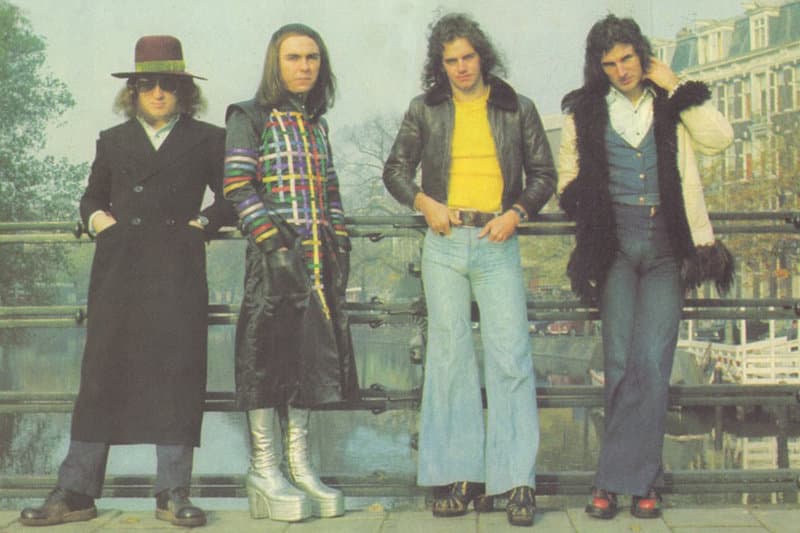
In the early 1970s, before their name became synonymous with glitter-drenched anthems and their songs became the soundtrack to a generation’s wildest parties, Slade was a different kind of band. They were still finding their voice, a group of working-class lads from the industrial Midlands of England who were searching for their place in the burgeoning rock world. Their 1970 album, Play It Loud, was a record that largely went unnoticed, failing to chart and a stark contrast to the global superstardom they would achieve just a few years later. Tucked away on this early album was a song that was unlike anything they would become known for. That song was “One Way Hotel.” It was never a single, never a chart hit; it was a deep, emotional cut that, for those who found it, revealed a profound and heartbreaking vulnerability that lay beneath the band’s later, more boisterous image. Its power lies not in fame, but in its dark, cinematic storytelling.
The story of “One Way Hotel” is a tragic, yet timeless, one. The song’s narrative is a theatrical monologue, a metaphor for a person trapped in a loveless and emotionally draining relationship. The “one way hotel” is not a physical place; it is a mental and emotional prison, a place you check into but can never check out of. The lyrics, penned by Noddy Holder and Jim Lea, are a mournful and resigned confession of this emotional imprisonment. The drama is a quiet, painful one—the narrator is not screaming in frustration but is simply accepting his fate with a weary sadness. It’s a beautifully simple concept that resonates on a deeply human level: the feeling of being stuck in a situation that offers no escape, a feeling of hope that has died and left only a sense of resignation behind.
The true genius of “One Way Hotel” lies in how the music itself tells the story. Unlike their later hits, which were built on massive, stadium-shaking riffs and sing-along choruses, this song is a slow, bluesy ballad with a somber, walking bass line and a delicate, melodic guitar line. The arrangement is sparse, a deliberate choice that allows the raw emotion to take center stage. The vocals of Noddy Holder are not the famous, gravel-throated howl that would later define him; instead, they are a tender, almost resigned, delivery that perfectly conveys the sadness of the narrative. The song builds subtly, with a crescendo of emotion rather than volume, creating a powerful and intimate moment of shared sorrow. It’s a masterclass in emotional restraint, a testament to the band’s often-overlooked musical depth.
For those of us who remember this era, “One Way Hotel” is a time capsule, a powerful reminder of the raw, emotional power that existed before the glam rock spectacle. It’s a nostalgic echo of a time when a band could be both a loud, celebratory force and a quiet, vulnerable voice of sadness. It speaks to the universal experience of feeling trapped and the quiet dignity of a person who has accepted a painful fate. It remains a beautifully sad and profound piece of rock history, a hidden masterpiece that proves that even the most bombastic artists have a heartbreaking story to tell.