
A Poignant and Weary Confession of Loving a Soul Drawn to the Edge, a Melancholy Anthem for the Observer.
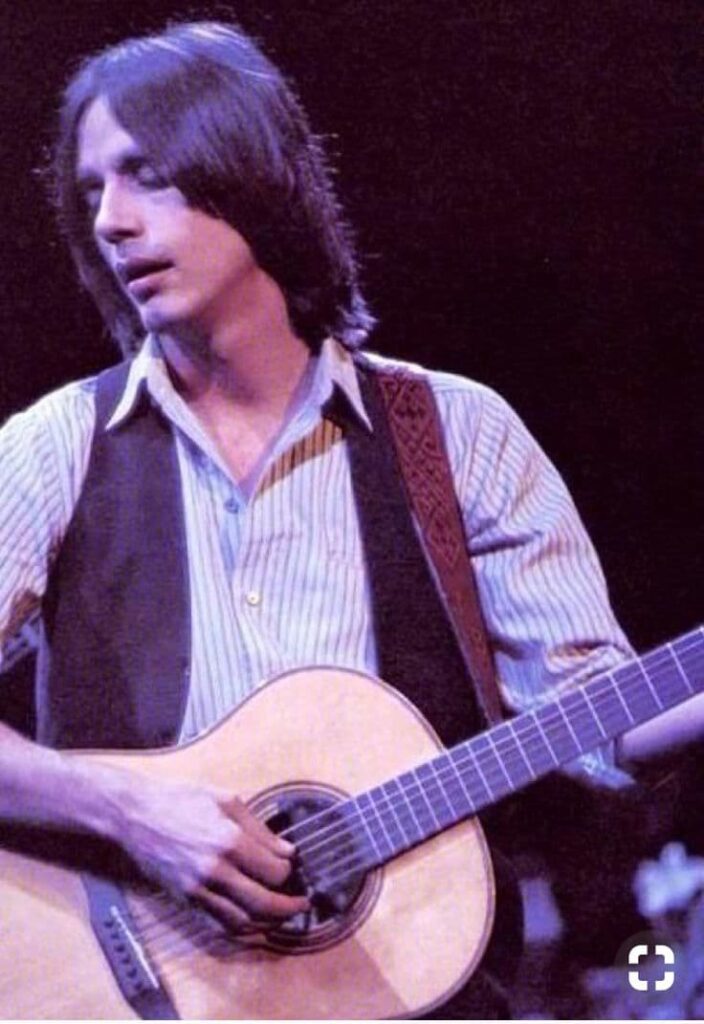
By 1978, Jackson Browne was more than a singer-songwriter; he was a master chronicler of a generation’s quiet hopes and unfulfilled desires. His introspective, deeply personal lyrics had already made him a revered figure, but his album Running on Empty would cement his legend. This was not a typical studio record. It was a groundbreaking, aural documentary of life on the road, a collection of songs recorded in hotel rooms, on stage, and on a tour bus, capturing the raw, unvarnished drama of an artist in motion. This album was a massive commercial success, soaring to a peak of number 3 on the Billboard 200 and selling millions of copies. Within its tracklist was a song that perfectly captured the feeling of loving a soul drawn to chaos. That song was “You Love the Thunder.” Released as a single, it reached a respectable number 43 on the Billboard Hot 100, a fact that only hints at its deeper emotional power and the powerful, cinematic narrative it contains.
The story of “You Love the Thunder” is a tragic and timeless one, a piece of musical drama that takes place on a rain-soaked stage. Recorded live at the Merriweather Post Pavilion in Columbia, Maryland, the song feels like a direct, personal confession delivered in the middle of a storm. The drama is a deeply personal one, centering on the quiet conflict between two people in a relationship. The narrator is grounded, perhaps a little weary, and he’s in love with someone who is drawn to danger, to chaos, to the very things that he fears. The “thunder” of the title is a powerful metaphor for this recklessness, for the tumultuous, loud, and dangerous life that his lover embraces without fear. The narrator is the observer, the one who has to stand back and watch the chaos unfold, all while loving the person who craves it.
The lyrical drama is a powerful, emotional monologue. The lyrics are a raw and unvarnished confession of a person who is trying to understand, and perhaps accept, a truth about their partner. The contrast between his calm nature and her thrill-seeking spirit is the heart of the song’s tension. The music itself is a character in this drama, perfectly amplifying the sense of turbulent passion. The powerful, driving rock beat and electric guitar create a sonic metaphor for the “thunder” that his lover craves. The band’s live performance energy, with its raw power and explosive sound, perfectly contrasts with the weary, almost heartbroken, tone of Browne’s lyrics. This tension—between the loud, chaotic music and the quiet, emotional pain—is the essence of the song’s drama. It’s a moment where a man’s inner turmoil is captured in a public performance, laid bare for all to see.
For those of us who came of age with this music, “You Love the Thunder” is more than just a mid-chart hit; it’s a testament to the power of a live performance to capture a raw, emotional truth. It’s a nostalgic reminder of a time when albums were more than collections of songs; they were journeys, each track a chapter in a larger story. The song stands as a timeless and deeply emotional piece of music, a haunting reflection on love, chaos, and the difficult art of letting go. It is a key and deeply moving chapter in the saga of one of rock and roll’s most revered storytellers.