
A Profound and Melancholic Anthem of Resilience, a Solitary Journey Toward an Uncertain Future After Emotional Rupture.
By 1974, the hopeful innocence of the previous decade had definitively given way to a quieter, more complex era of self-reckoning. The soundtrack to this emotional shift was often provided by Jackson Browne, the quintessential singer-songwriter whose lyrics functioned as a form of collective therapy for a generation grappling with adulthood and disillusionment. His masterpiece, the album Late for the Sky, captured this mood perfectly, chronicling the slow, painful dissolution of belief and partnership. The album itself was a major critical success and commercial player, reaching number 14 on the Billboard 200. Deep within its profoundly moving tracks lies a song that was never a single, never a chart sensation, but whose existential weight and quiet emotional honesty made it the very heart of the record. That song is “Farther On.” Its drama is not in public acclaim, but in its unflinching portrayal of emotional rupture and the lonely, necessary path to self-discovery.
The story behind “Farther On” is an intense, internal drama—the moment of agonizing clarity when one realizes a relationship, no matter how deep, has run its course and the two people must now part to continue their respective searches for meaning. The entire album chronicles the unraveling of a core bond, and this song serves as the moment of ultimate surrender and acceptance. Browne’s lyrical genius transforms a specific heartbreak into a universal existential crisis: when the shared dreams and comfortable illusions fail, what remains? The song is the protagonist’s poignant, sober farewell, a heartbreaking admission that the answers and the peace they sought together will only be found “farther on”—on separate roads, in an uncertain future. The drama is in the quiet intensity of the goodbye, the profound recognition that even the deepest connections have an expiration date.
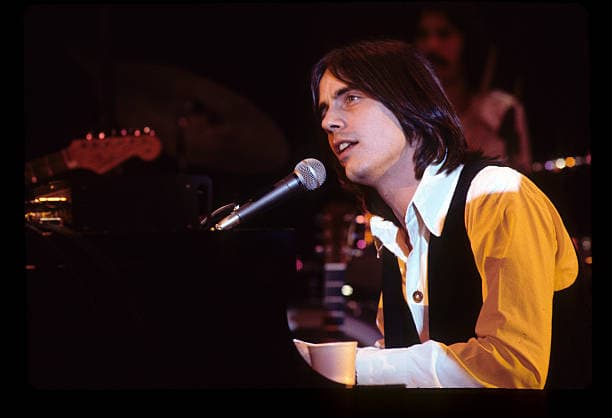
The lyrical content is a raw, emotional monologue about the painful necessity of solitude. The narrator speaks of the realization that he cannot be saved by his partner, nor can he save them; they must each face the unanswerable questions of life alone. Phrases like “Maybe we will never meet again / Farther on” are delivered with a weary finality that is devastating. The musical setting is the perfect vehicle for this heavy emotional cargo. It is a slow, gently rocking ballad, its pace mirroring the weary, deliberate steps of a man facing the vast unknown. The simple, affecting piano melody and Browne’s raw, slightly strained vocal are powerfully intimate. The instrumental arrangement is sparse but deeply resonant, allowing the weight of the words to settle. The song’s power comes from its refusal to offer easy clichés, instead providing a somber, melancholic resolution to simply endure the solitude and keep moving.
For those of us who turned to the album Late for the Sky for emotional navigation, “Farther On” is a truly nostalgic and necessary piece of music. It is a testament to Jackson Browne’s ability to articulate the most complex, painful truths with unvarnished honesty. It reminds us that the deepest resilience lies not in fighting the end, but in accepting it. The song stands as a timeless, deeply emotional, and profoundly dramatic elegy, a powerful document of a necessary and painful farewell that continues to speak to the enduring spirit of anyone who has had to pick up the pieces and face the road alone.