
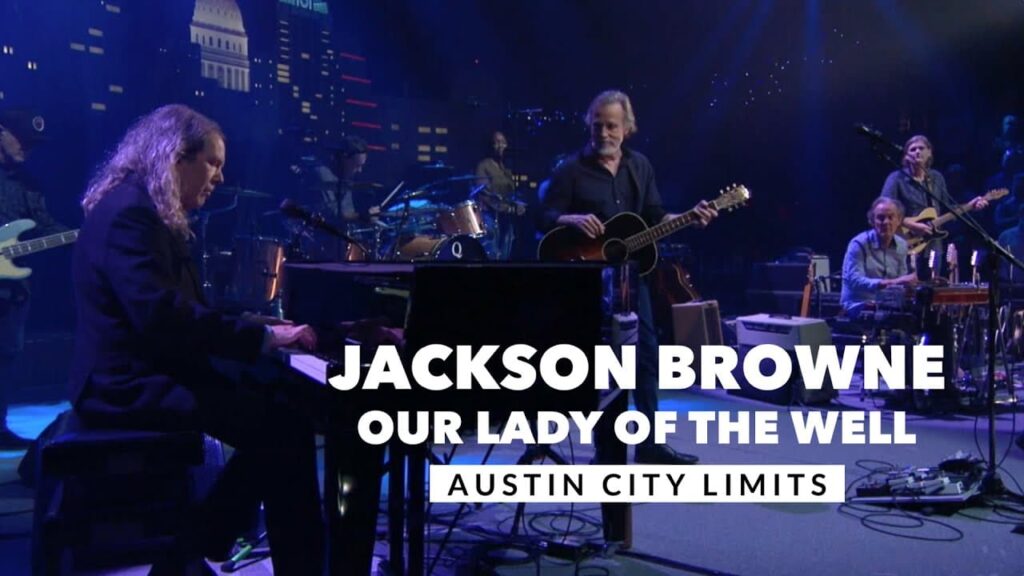
A Poignant Ballad of Spiritual Weariness, a Search for Absolution and Guidance at the End of a Long, Disillusioning Journey.
The year 1973 saw Jackson Browne, the quintessential poet laureate of the Southern California scene, release his second album, For Everyman. Following the critical acclaim of his debut, this record represented his dramatic, emotional reckoning with the sudden weight of fame and the widespread disillusionment that followed the high ideals of the 1960s. The album’s title was a declaration, positioning its author not merely as a singer, but as a chronicler for a generation searching for meaning in the aftermath of a shattered dream. For Everyman was a commercial success, reaching number 43 on the Billboard 200, but its true power lay in its vulnerability. Nestled within its tracklist was a quiet, soaring composition that was never released as a single, yet served as the album’s profound spiritual anchor. That song was “Our Lady Of The Well.” Its drama is not found on the charts, but in the timeless, existential quest for solace and forgiveness.
The story behind “Our Lady Of The Well” is a metaphorical pilgrimage set to music. The song is rooted in the imagery of a holy site, a place of healing and spiritual cleansing—a well or spring, often associated with a figure of ultimate compassion. The narrative is a first-person monologue from a weary traveler, a “sinner” in the existential sense, who has been burdened by experience, mistakes, and the heavy price of simply living. The drama is the journey itself: the narrator is desperate for absolution, carrying the weight of his past down a long road, looking for a place where his sins and sorrows can finally be washed away. The figure of the “Lady of the Well” is a theatrical symbol of unattainable grace, a distant hope that fuels the final, arduous push toward redemption in a world that often feels devoid of simple answers.
The lyrical and musical drama is pure, unadulterated soul searching. Jackson Browne’s writing here is both deeply personal and biblically universal, using simple, eloquent language to articulate the deepest human longings. He writes of feeling like he’s lived two lifetimes, of needing forgiveness from a force greater than himself. The music provides the perfect, quiet sanctuary for this intense personal reflection. The gentle, acoustic-driven arrangement is patient and mournful, never rushing the narrator’s confession. The soaring harmonies, often featuring the rich vocal textures of his Los Angeles contemporaries, add a layer of collective yearning, turning the narrator’s solitary plea into a communal prayer. The song is a slow, methodical build, mirroring the quiet persistence required to find spiritual peace, ultimately settling on a note of fragile hope—the idea that even if the well is never reached, the search itself is worth the journey.
For those of us who navigated the uncertainties of the post-sixties world, “Our Lady Of The Well” is a profound, nostalgic echo. It’s a testament to Jackson Browne’s unique ability to transform existential pain into poetic grace. The song stands as a timeless, deeply emotional, and profoundly dramatic piece of musical literature, a beautiful reminder that even in our darkest moments, the search for light and absolution is the most human journey of all.