
A Voice in the Quiet Room: Jackson Browne’s “The Only Child” Captures an Artist in Transition
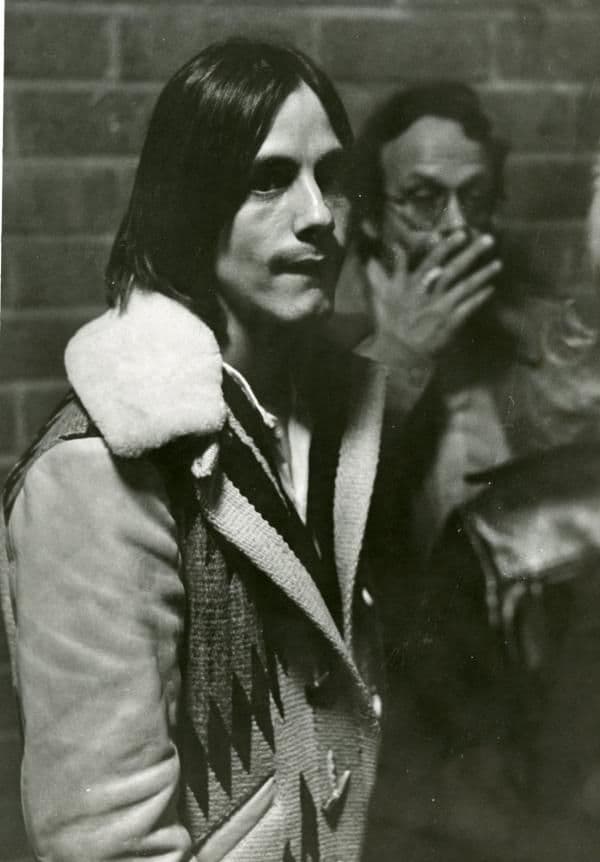
On October 15, 1976, at the Capitol Theatre, Jackson Browne delivered a performance that revealed far more than technical skill or stage presence. His rendition of “The Only Child” offered a rare window into an artist navigating personal reflection at a moment of creative ascent.
The timing of the concert is essential to understanding its significance. Browne was on the verge of releasing The Pretender, an album that would further define his place among the leading voices of the singer songwriter movement. Yet in this live setting, there is no sense of calculated presentation. Instead, the performance feels exploratory, as if the song itself is still taking shape. The audience is not simply listening to a finished work but witnessing a process in motion.
“The Only Child” stands apart from more accessible compositions of the period. Its emotional core is introspective, even unsettled, reflecting themes of isolation and identity. Browne’s vocal delivery avoids excess, favoring restraint and clarity. Each phrase is measured, allowing the meaning to emerge gradually rather than through dramatic emphasis. This approach creates a sense of intimacy that transforms the theatre into a shared emotional space.
The supporting musicians play a critical role in shaping this atmosphere. David Lindley, long regarded as one of Browne’s most important collaborators, contributes subtle textures that elevate the performance without drawing attention away from the song’s center. His instrumental choices add color and depth, reinforcing the emotional tone rather than competing with it. The broader ensemble operates with similar discipline, demonstrating a collective understanding of when to lead and when to recede.
The venue itself enhances the experience. Unlike larger arenas, the Capitol Theatre provides a setting where nuance can be fully appreciated. The clarity of the acoustics allows each element of the arrangement to be heard with precision, while the scale of the room preserves a sense of closeness between performer and audience. This environment supports the kind of performance that relies on detail rather than spectacle.
Viewed in retrospect, this recording captures a moment of quiet importance. It documents an artist who, even at a high point in his career, remains engaged in the search for meaning within his work. “The Only Child” does not seek resolution. Instead, it invites reflection, leaving space for interpretation and connection. In doing so, it affirms Jackson Browne’s enduring strength as a songwriter whose most powerful statements often arrive in the softest tones.