
A Sweetly Deceptive Ballad About Escapism, Forbidden Desire, and the Inner Life of a Discontented Man.
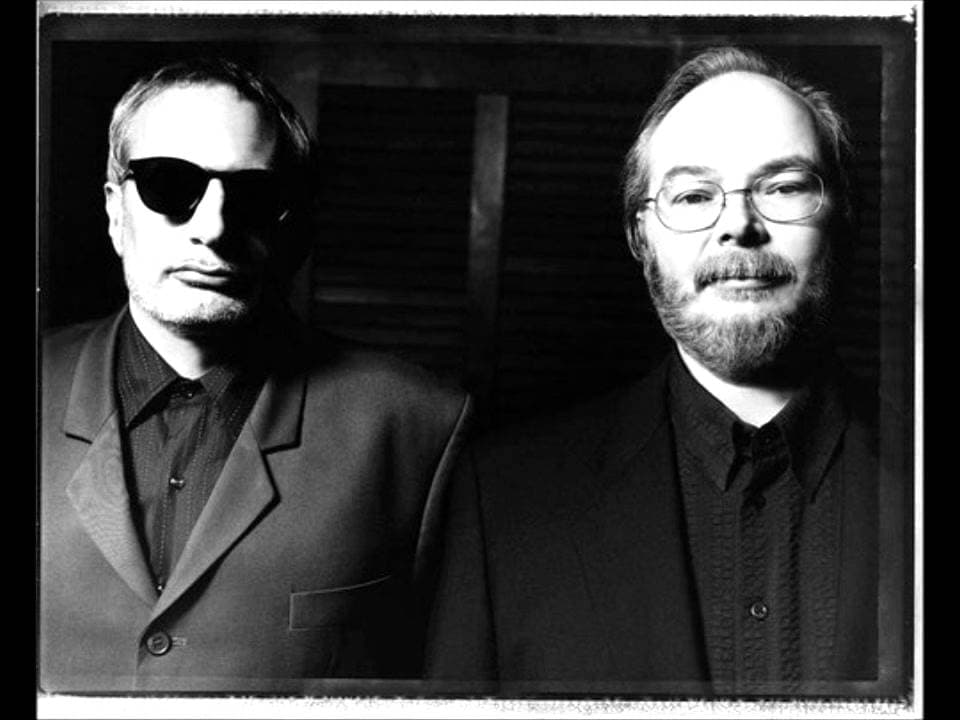
The year 1975 found Steely Dan—or rather, its two creative architects, Walter Becker and Donald Fagen—at a profound crossroads. Having fully shed the constraints of a touring band to focus exclusively on the studio, their fourth album, Katy Lied, released that March, was the sound of a genius machine finding its ultimate form. The album marked a crucial transition, solidifying their reputation for using a “scrupulous meritocracy” of the finest session musicians to achieve sonic perfection. Despite the famously—and in the duo’s view, disastrously—flawed sound quality due to an equipment malfunction (a story that became a hallmark of their obsessive perfectionism), the music itself was undeniable. Katy Lied proved a commercial success, climbing to a respectable No. 13 on the US Billboard Top LPs & Tape chart and hitting No. 13 on the UK Albums Chart, propelled by the minor hit single “Black Friday.”
Yet, the true, dark heart of the album often lies nestled deeper within the tracklist, and the third cut, “Rose Darling,” offers a perfect example of how Becker and Fagen could drape the most unsettling scenarios in a cloak of gorgeous, flowing pop-rock. “Rose Darling” was not released as a single and therefore holds no individual chart position, existing instead as a crucial, unsettling narrative piece of the Katy Lied mosaic.
The story of “Rose Darling” is an intimate, late-night confession, but like a funhouse mirror, its true meaning is deeply distorted. The narrator invites the mysterious “Rose Darling” to join him because “Snake Mary’s gone to bed.” Immediately, the emotional drama is established: a clandestine rendezvous, conducted under the very roof of a watchful, sleeping presence—Snake Mary, often interpreted as the narrator’s wife, a religious figure, or simply a moral constraint. The music itself—with its gentle tempo, smooth-as-silk piano, and the distinctive, newly-added backing vocals of Michael McDonald—is a masterclass in emotional misdirection, making the illicit sound profoundly appealing.
The meaning of the song is arguably one of the most subtly provocative in the Steely Dan canon. While ostensibly a plea to a mistress, the cryptic lyrics have long led critics and fans alike to a far more intriguing, and typically Dan-esque, conclusion: the song may be an elaborate metaphor for masturbation. Lines like, “All our steamy sounds of love cannot disturb her in her night,” and the highly suggestive climax, “The spore is on the wind tonight/You won’t feel it ’til it grows,” shift the emotional focus from external lust to internal fantasy.
But the most potent, nostalgic element for the older reader lies in the literary shadow cast over the song. The recurring name “Rose Darling,” and the line “It’s no use, he sees her/He starts to shake and cough/Just like the old man in that book by Nabokov,” point directly to Vladimir Nabokov’s Lolita. This reference elevates the song from simple smut to a complex psychological study of forbidden desire, infatuation, and the loneliness of a man seeking escape through fantasy.
For those of us who came of age with this record, the song evokes not just the sound of a specific time, but the memory of feeling trapped, of yearning for the beautiful, impossible thing just out of reach, even if that escape was found only in the private, darkened theatre of the mind. “Rose Darling” is a gorgeous, melancholic deception—a sophisticated pop song about profound discontent, proving that Becker and Fagen were masters of making internal emotional collapse sound like the most seductive music on earth. It’s a snapshot of a perfect, secret moment from the cynical seventies, forever preserved by the technical brilliance of a band who insisted on nothing less.