
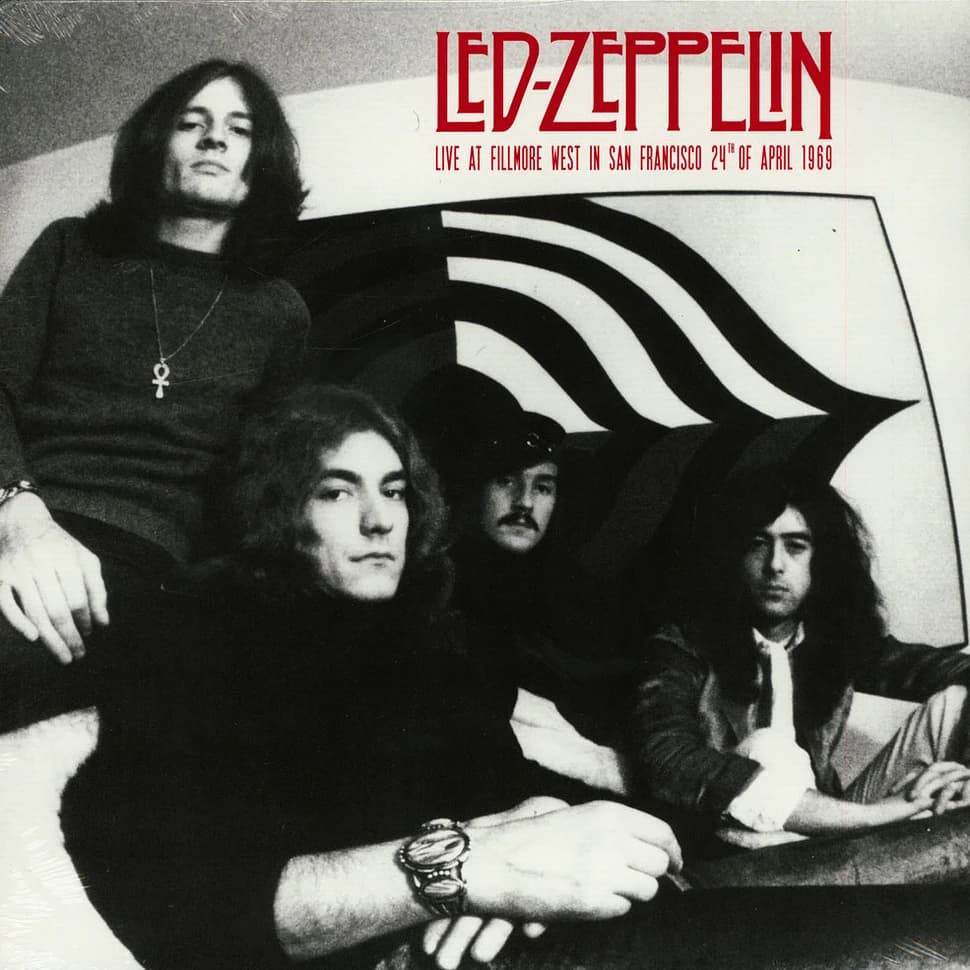
The Lightning Bolt of Blues-Rock Vengeance: A Guitar Riff Written in Transit That Defined the Hard Rock Decade to Come.
There are certain songs that don’t just play—they erupt. They are the sonic shockwaves of an era, and for anyone who witnessed the birth of true hard rock, Led Zeppelin’s “Heartbreaker” remains the quintessential flashpoint. Released on the monumental 1969 album Led Zeppelin II, this track was the sound of a band no longer finding their footing, but seizing the throne. The album itself, often affectionately dubbed The Brown Bomber, was an immediate, overwhelming success, soaring to No. 1 on both the US Billboard 200 and the UK Albums Chart, famously dethroning The Beatles’ Abbey Road in the process.
“Heartbreaker” itself, while never issued as an A-side single in the US or UK, became an instant radio staple, often played back-to-back with its album companion, “Living Loving Maid (She’s Just a Woman).” This lack of an official single release meant it had no individual chart position, yet its cultural impact—the sheer, staggering audacity of the riff and the solo—made it one of the most recognized tracks of the decade. It wasn’t about the numbers; it was about the raw, visceral feeling that hit you the moment Jimmy Page’s distorted, swaggering riff tore out of the speakers.
The story behind “Heartbreaker” is the stuff of rock and roll legend, a testament to the chaotic, relentless creative furnace that was Led Zeppelin in 1969. The entire Led Zeppelin II album was essentially written and recorded on the fly, captured in brief, frenzied sessions between punishing North American and European tour dates. The phrase “recorded on the road” is never more apt than here. It was during a New York session, at either A&R Recording or Atlantic Studios, that Page, Robert Plant, John Paul Jones, and John Bonham—all credited writers—laid down this furious track. The environment was fragmented, the gear often battered, but the tension and adrenaline of constant touring fed directly into the music.
What defines the song, however, is Page’s legendary, unaccompanied guitar solo. It’s a moment of spontaneous genius that still sends a shiver down the spine of every aspiring guitarist. Page later revealed that the solo was an afterthought, recorded in a completely different studio (Atlantic) from the main track, which explains its slightly distinct, raw sonic signature. This 46-second masterclass, performed using a Gibson Les Paul and a Marshall stack for the first time on record, is a furious explosion of blues-metal fury, a perfect, dizzying showcase of pull-off technique. It was so revolutionary that the future guitar god Eddie Van Halen would later credit this very solo as the inspiration for his signature tapping technique.
Lyrically, the meaning of “Heartbreaker” is one of classic blues venom and rock defiance. Robert Plant‘s lyrics tell the tale of a man who returns home only to confront the “wicked ways of love” embodied by an unfaithful lover—Annie—who has callously broken his heart. The narrator’s grief quickly morphs into self-assured righteous anger. Instead of wallowing in the familiar blues trope of sorrow, Plant issues a clear, powerful ultimatum: “Heartbreaker, your time has come / Can’t take your evil way / Go away heartbreaker.” It’s a defiant reclamation of power, turning heartache into an excuse for sonic warfare. The song is a declaration of independence from heartbreak, a full-throttle sonic revenge fantasy that, nearly fifty years on, still rings with the liberating sound of fury finally unleashed. For those of us who felt the world shifting beneath our feet in ’69, this track was the cathartic roar we needed to keep rolling along.
 Oldies Songs