
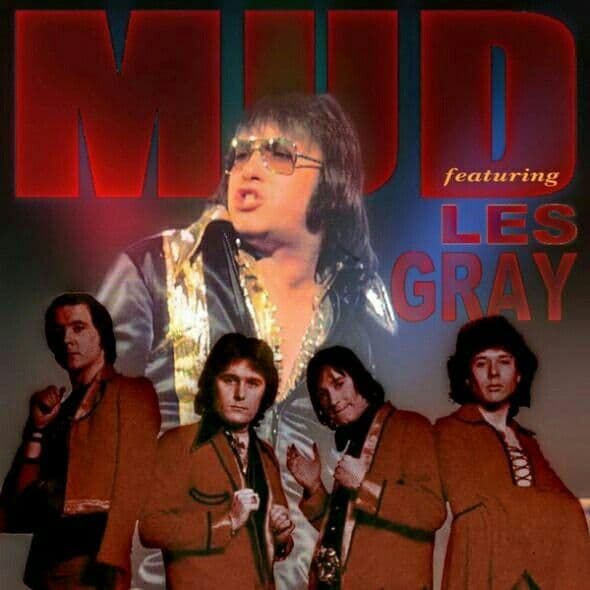
The Glittering Retreat: A Glam Rock Band’s Poignant Attempt to Trade Sparkle for Sensitivity and the Drama of Growing Up.
The year 1975 was a curious, crossroads moment for British music. The platform shoes and satin flares of glam rock were beginning to fade, giving way to the smooth pulse of disco and the fierce sneer of punk waiting in the wings. For a band like Mud, who had ridden the glam wave to three UK No. 1 singles with their boogie-woogie charm and cheeky Teddy Boy image (“Tiger Feet,” “Oh Boy,” “Lonely This Christmas”), this shift represented a creative crisis. Their response was a dramatic pivot, crystallized in the deeply felt, yet often overlooked, ballad “Show Me You’re a Woman,” a track that shed the spectacle in a bid for soulful survival.
Key Information: “Show Me You’re a Woman” was released in November 1975 as a single from Mud’s third studio album, Use Your Imagination. It proved to be a successful, albeit stylistic, outlier for the band, reaching Peak Position No. 8 on the UK Singles Chart and securing a respectable No. 2 position on the Irish Singles Chart. The single was a crucial release as the band transitioned from their previous label, RAK Records, to Private Stock, signaling a clear move away from the frantic, stomping sound engineered by the legendary Chinnichap songwriting/production team. The album, Use Your Imagination (December 1975), peaked at No. 33 on the UK Albums Chart.
The story of “Show Me You’re a Woman” is essentially a narrative of musical evolution—or perhaps, necessity—for a band defined by its high-energy novelty hits. By late 1975, the group’s principal songwriter-producers, Nicky Chinn and Mike Chapman, had largely moved on, and Mud was left to navigate the changing tides themselves. The result was a dramatic shift in tone. Gone was the theatrical, playful camp of lead singer Les Gray; in its place was a measured, almost melancholic maturity. The track feels like the moment the glam rock curtain fell, revealing the human yearning underneath the greasepaint. It was an ambitious, even brave, choice—an attempt to show that the boys who sang about “Tiger Feet” were capable of emotional depth, capable of composing a mature, mid-tempo piece written by Phil Wainman and John Goodison that was closer to sophisticated pop than hard rock.
The meaning of the song delves into the vulnerable space of a relationship seeking authenticity beyond superficial appearances. It’s a plea from a man to his partner, asking her to drop the pretense and the games, and to reveal her true, passionate self. The lyrics speak to a longing for genuine, reciprocal emotion, demanding a real connection: “I want to feel the fire, that’s burning deep inside you / Show me you’re a woman, I want to be beside you.”
For the older, well-informed listener, this track resonates with a deep nostalgia for an age when rock stars were shedding their personas and attempting to speak with sincerity. It’s a beautifully melancholic piece, heavy on the emotional weight of Les Gray’s vocal delivery, with the arrangement leaning into orchestral strings and a lush, piano-driven foundation. It’s the sound of Mud—and perhaps many of their fans—growing up, trading the exuberant chaos of their youth for the tender, frightening vulnerability of adulthood, proving that sometimes the greatest drama lies in quiet desperation rather than raucous showmanship.