
The Elegantly Cynical Divorce: A Wealthy Man’s Bittersweet Inventory of Material Loss, Proving That Even Heartbreak is Subject to a Sophisticated Cost-Benefit Analysis.
For the devoted connoisseur of American music, a Steely Dan track is rarely just a song; it’s a meticulously crafted short story set to a flawless, jazz-inflected groove. “Things I Miss The Most,” from their 2003 album, Everything Must Go, is a late-period masterwork that perfects their cynical, world-weary narrative voice. It arrived two decades after the band’s original split, a shimmering gem in their brief but brilliant second act, and for those who have followed Donald Fagen and Walter Becker through the decades, it serves as a darkly humorous reflection on the price of freedom and the absurdity of adult tragedy.
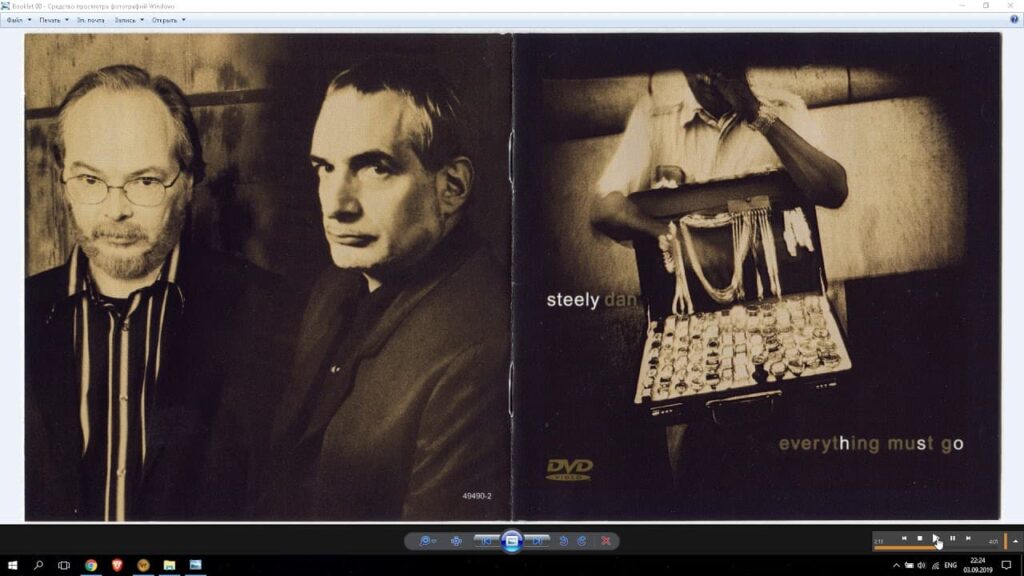
Key Information: The song “Things I Miss The Most” was released on the album Everything Must Go in June 2003. Like many of their later tracks, it was not released as a promotional single and therefore did not register on the major singles charts (such as the Billboard Hot 100 or the UK Singles Chart). However, the album itself performed respectably, peaking at a strong No. 9 on the US Billboard 200 and No. 21 on the UK Albums Chart. The track was written by the iconic duo Donald Fagen and the late Walter Becker. It is a quintessential example of their post-hiatus sound: rich, impeccably produced, and layered with a melancholy sense of loss wrapped in a razor-sharp wit.
The story behind the song is a dramatic monologue delivered by a freshly divorced narrator—a classic Steely Dan anti-hero who is clearly affluent, self-aware, and utterly miserable. We are invited into the wreckage of his shattered marriage, but this is no tearful ballad of love lost. Instead, the narrator’s lament is a darkly comical inventory of the material spoils lost to his ex-wife. He mourns the irreplaceable, the things that truly mattered in his privileged, detached existence. He misses the ’54 Strat guitar, a collector’s dream; the “good copper pans” that denote a certain upper-echelon lifestyle; the “house on Martha’s Vineyard,” a summer fortress of the elite; and, perhaps most tellingly, the “Audi TT”—a symbol of sleek, modern status. Only after listing this parade of luxurious chattel does he casually, almost as an afterthought, admit that he also misses “the sex.”
The meaning of the song cuts to the core of the Steely Dan philosophy: that people are often most attached to the artifacts of a life rather than the emotional substance. It is a stunning, sophisticated piece of social commentary that appeals directly to an older, seasoned audience who understands the hollow ring of expensive possessions and the transactional nature of certain relationships. For those of us who came of age with their earlier, complex tales of losers and schemers, this song is the final, mature chapter—the schemer has grown older, been caught out, and his only true regret is the diminished quality of his material comforts. The jazz chords and the immaculate backing vocals (featuring Carolyn Leonhart), the very perfection of the arrangement, add an exquisite, almost cruel sheen to the narrator’s emotional bankruptcy. It’s a chilling, yet profoundly nostalgic piece that reminds us that, even as the years pass and our tastes mature, some things—like a perfect minor chord and a truly wicked lyric—can still break your heart.