
The Uncensored Battle Cry of a Generation: A Furious, Live-Wire Exhortation to Revolution, Art, and Total Abandon.
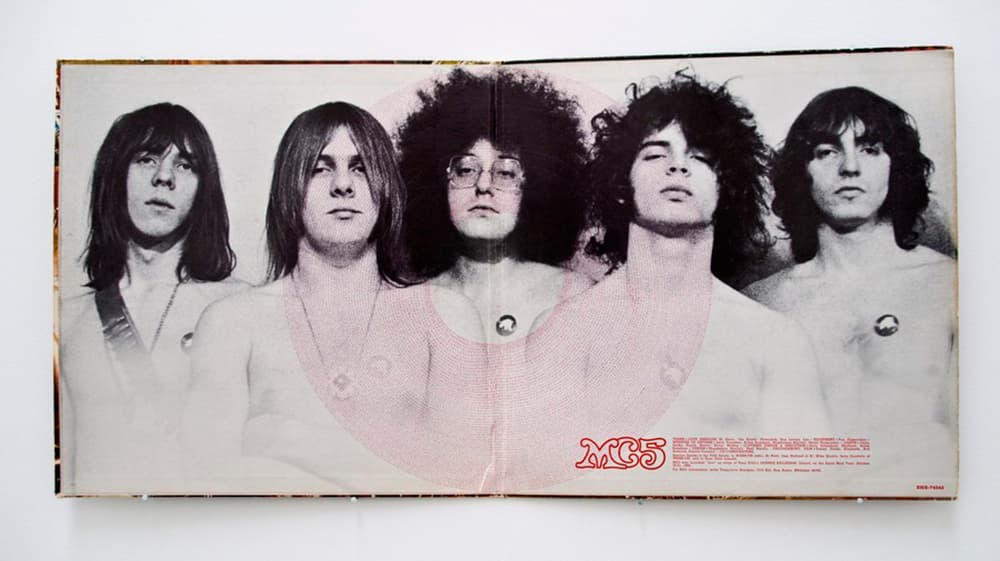
In the late 1960s, a record didn’t just spin on a turntable; it was a manifesto, a political act, and a Molotov cocktail thrown at the established order. No single album embodies this explosive spirit more completely than MC5’s 1969 debut, the raw, electrifying, and deeply controversial “Kick Out the Jams.” Captured live over two furious nights—Devil’s Night and Halloween in 1968—at their home base, the legendary Grande Ballroom in Detroit, this album remains a cornerstone of proto-punk and a visceral document of a revolutionary moment. The title track, with its infamous, unfiltered opening salvo, is not just a song; it’s a time machine back to a moment when the youth felt the government, the music industry, and society itself were on the verge of total collapse.
Key Information: The album “Kick Out the Jams” was released in February 1969. The album itself was relatively successful, quickly selling over 100,000 copies and peaking at a respectable No. 30 on the US Billboard 200 chart. The single, “Kick Out the Jams,” which featured a censored introduction on radio copies, scraped the lower reaches of the Hot 100, peaking at No. 82. The sheer volume of controversy, however, quickly overshadowed these chart positions, leading to major retail chains refusing to stock the album and the band’s eventual dismissal from Elektra Records. The MC5’s manager, the radical political activist John Sinclair, was the author of the album’s inflammatory liner notes, further cementing the band’s association with the White Panther Party and the counterculture’s most extreme fringes.
The story of “Kick Out the Jams” is high drama, forged in the fires of the Motor City riots and the turbulent politics of 1968. The phrase itself, according to guitarist Wayne Kramer, originated as an exasperated shout to other bands who were ‘jamming’—indulging in long, directionless solos—to “get off the stage.” It was an instruction to focus, to hit hard, and to deliver the goods. But in the hands of the MC5—vocalist Rob Tyner, guitarists Kramer and Fred “Sonic” Smith, bassist Michael Davis, and drummer Dennis Thompson—and their political guru, Sinclair, the phrase transcended its humble origin. It became a multi-layered meaning: a rallying cry for cultural and political liberation, an incitement to total artistic commitment, and a demand to “kick out the jams, motherfkers!”**
For the well-informed reader who remembers the late Sixties, this record is an emotional thunderclap. You can practically smell the sweat, the patchouli, and the desperation hanging in the air of the Grande Ballroom. The song isn’t pristine; it’s raw, fast, and borderline chaotic, an aesthetic choice that speaks volumes. It was a vicious attack on the psychedelic, long-form excess of the San Francisco scene, dragging rock music back to the primal, three-chord urgency of Chuck Berry and Little Richard, all while wrapping it in revolutionary rhetoric. It set a blueprint for the punk movement that would explode nearly a decade later.
The tragedy and nostalgia inherent in this song lie in its ultimate failure to sustain the revolution it demanded. The album’s commercial success was brief, its political message was too potent for the mainstream, and the ensuing backlash essentially crippled the band. “Kick Out the Jams” is the sound of a beautiful, furious dream burning out too fast—a timeless, vital lesson in the perils of uncompromising truth delivered at top volume. It is the echo of a revolution that wasn’t televised, but was recorded, live, for all eternity.