
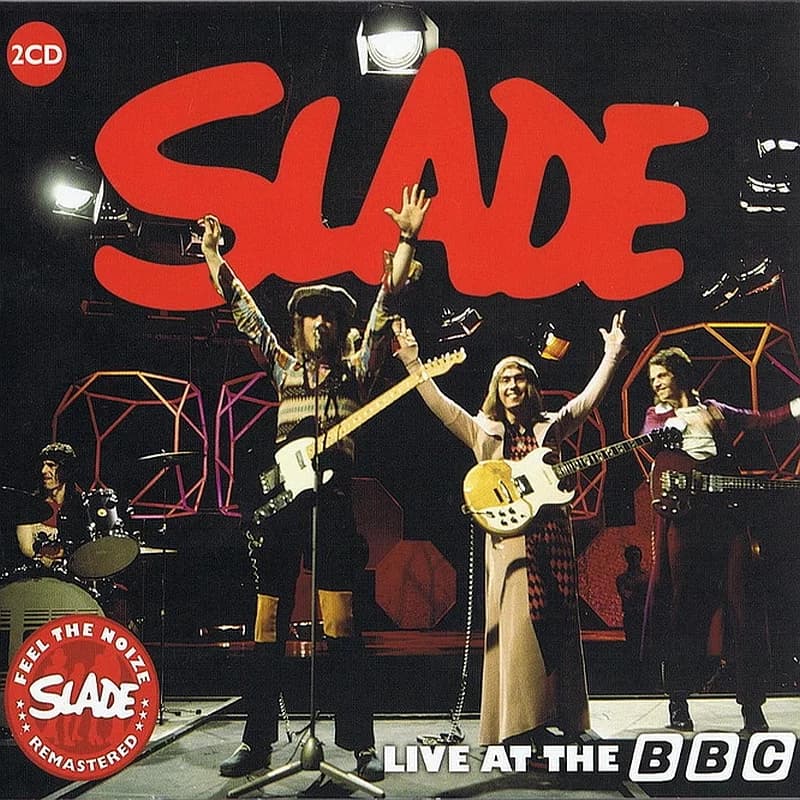
A Wild Portrait of Temptation and Recklessness Wrapped in Slade’s Rawest Early Energy
Released in 1972 as the B side to Slade’s explosive hit single “Mama Weer All Crazee Now”, “Man Who Speeks Evil” occupies one of those fascinating corners of the band’s catalog where their ferocity, humor, and storytelling instincts collide in the most unfiltered way. At the time, the A side was soaring up charts across Europe and reaching number one in the UK, carrying the band into the absolute peak of their glam powered success. Tucked behind that giant was this darker, snarling companion piece, a track that never charted on its own yet offers a vivid snapshot of Slade’s creative muscle during their most dominant era.
From the first riff, “Man Who Speeks Evil” feels like a rush of alleyway electricity, the sort of track built for sweat soaked clubs long before stadiums became the band’s natural habitat. Noddy Holder’s voice tears through the mix with that unmistakable rasp that made every line sound both dangerous and oddly joyful. Dave Hill’s guitar leads slash with controlled chaos, while Jim Lea, as always, anchors the entire performance with a bass line that keeps the track rooted in grit rather than glamour. Don Powell’s drumming gives it the punch that defined early seventies Slade, a raw stomp that insists you feel the song before you analyze it.
Yet this is a song that rewards analysis. Lyrically, it paints a crooked portrait of a man whose charm is coated in risk, a figure who lives by bending rules and unsettling boundaries. This character is not outright villainous. Instead, he carries a magnetic pull, the sort of danger that intrigues even as it warns. Slade had always possessed a knack for capturing working class stories with exaggerated theatricality, and here they channel that mythic energy into a figure who might be part hustler, part outlaw, part urban legend.
There is a rebellious smirk running through every line. The band performs the song as if they have met this man, shared a cigarette with him behind a pub, and walked away not entirely sure whether to trust him or admire him. The sly, almost mischievous tone suggests a world where morality is flexible and nighttime folklore grows legs. Slade excelled at building musical narratives that felt both larger than life and deeply rooted in everyday British grit, and this track is a prime example of that skill.
Sonically, “Man Who Speeks Evil” also embodies the band’s shift from their earlier skinhead influenced rock into the flamboyant yet muscular glam sound that would define their legacy. It uses straightforward rock and roll architecture but packs surprising color into the edges. Every instrument is pushed with intention. Nothing is polished. Everything feels alive.
Today, the song stands as a reminder of how rich B sides could be during Slade’s golden era. It whispers the mythology of the streets, embraces the thrill of the forbidden, and captures a band moving at full speed with nothing to lose. Even in the shadows behind a colossal hit single, Slade knew how to make the night crackle.