
A sunlit reverie where youthful optimism and pop innocence briefly hold back the passing of time
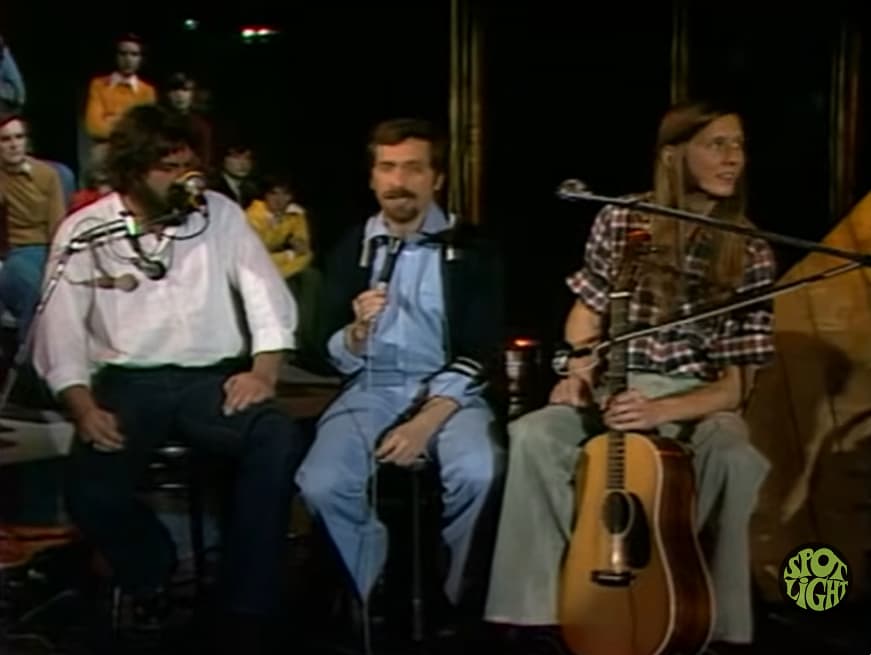
When Middle of the Road performed “Summer Days” on Austrian television for ORF in 1976, the song already carried the glow of a proven hit. Originally released in 1971 on the album Acceleration, “Summer Days” had enjoyed strong chart success across Europe, reinforcing the group’s status as one of the defining pop acts of the early 1970s. By the time of this televised appearance, Middle of the Road were no longer newcomers riding novelty success, but seasoned performers revisiting a song that had helped shape their bright, melodic identity.
At its heart, “Summer Days” is a celebration of fleeting happiness. It captures a universal emotional truth, the way warm afternoons and carefree moments feel endless while they are happening, yet are already slipping into memory even as we live them. Unlike many pop songs of its era that chased spectacle or gimmick, this track relies on clarity and warmth. Its melody is open and inviting, built to linger in the listener’s mind like the echo of laughter after a long day in the sun.
The ORF performance in 1976 adds a layer of gentle nostalgia to the song. By then, the cultural climate had shifted. Glam rock had risen and begun to fade, disco was approaching dominance, and the innocent optimism of early 1970s pop was no longer at the center of popular music. Yet Middle of the Road performed “Summer Days” with the same sincerity that made it resonate upon release. Sally Carr’s vocal remains warm and expressive, projecting not youthful naivety, but a reflective joy that acknowledges time’s passage without regret.
Lyrically, the song is simple but emotionally precise. It speaks of happiness not as something dramatic or overwhelming, but as a series of small, glowing moments. The words evoke sunlight, companionship, and the quiet contentment of being fully present. There is no irony here, no distance between the singer and the sentiment. That directness is precisely what gives the song its lasting power. It trusts the listener to recognize themselves within it.
Musically, “Summer Days” reflects the craftsmanship that defined Middle of the Road at their peak. The arrangement is clean and buoyant, driven by a steady rhythm and melodic hooks that feel effortless. The song’s structure mirrors its theme, moving forward with ease, never rushing, never lingering too long. In the ORF performance, the polish of television production softens the edges, allowing the song’s warmth to shine rather than overwhelm.
Seen through the lens of history, “Summer Days” stands as a reminder of a moment when pop music embraced uncomplicated joy. It does not attempt to redefine the genre or push boundaries. Instead, it preserves a feeling. Watching or listening now, decades later, the song becomes less about youth itself and more about memory, about the way certain melodies can return us to who we once were, or who we believed we might always remain. In that sense, Middle of the Road captured something timeless, a brief season of light that continues to glow long after the summer has passed.