
Exclusive Music News: Steely Dan and Bernard Purdie Reveal the Story Behind the Legendary “Purdie Shuffle”
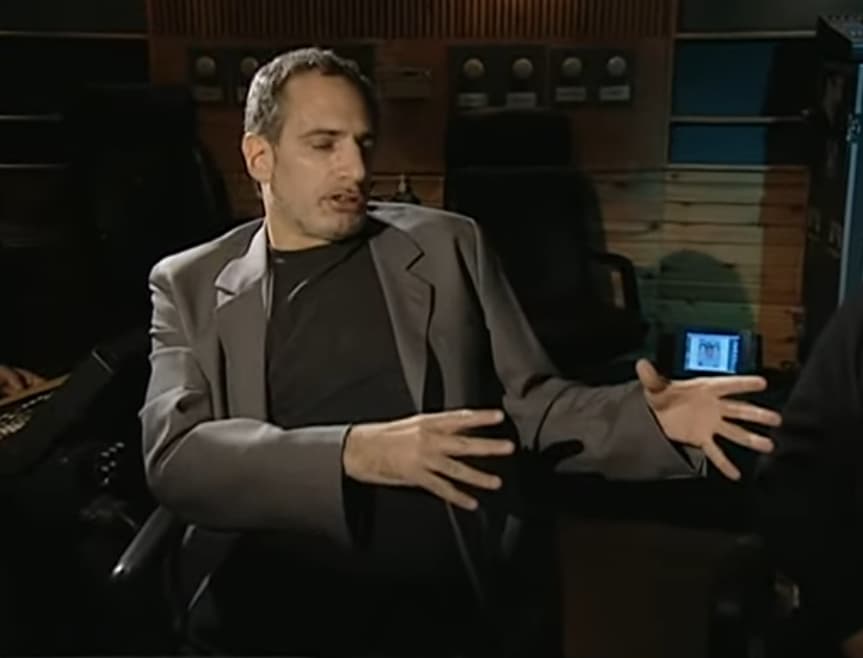
In a revealing and must‑see conversation for music aficionados everywhere, Donald Fagen and Walter Becker of Steely Dan opened up about the genius of Bernard “Pretty” Purdie and the unmistakable drum groove known as the Purdie Shuffle. In a video discussion that has been circulating among musicians and fans, the duo explore how Purdie’s signature rhythm became an integral part of their sound, while Purdie himself breaks down what makes his shuffle so unique and influential.
Bernard Purdie is widely recognized as one of the most recorded drummers in music history, with credits spanning countless sessions across genres from funk and soul to jazz and rock. His hallmark groove — now famously dubbed the Purdie Shuffle — combines a half‑time feel with syncopated triplet patterns and subtle ghost notes on the snare that create an irresistible swing and depth.
In their discussion, Fagen and Becker describe Purdie’s playing as extraordinary and distinctive. Walter Becker remarked on Purdie’s ability to deliver something unexpected yet perfectly suited to the music, a quality that made collaborations with him exceptional. Purdie’s technique isn’t just about keeping time, it’s about giving the music a “living” groove that feels both precise and human.
For Steely Dan, Purdie’s input was more than just technical excellence. On tracks such as “Home at Last” and “Babylon Sisters”, his shuffle laid a rhythmic foundation that elevated the songs’ jazz‑rock fusion and gave them a pulsating, soulful feel. The band initially told him they didn’t want a shuffle groove, yet Purdie persisted, knowing exactly how the feel would enhance the track — and they loved it once they heard it.
The Purdie Shuffle itself has since been emulated by drummers across generations. It inspired iconic interpretations such as Jeff Porcaro’s shuffle on Toto’s “Rosanna” and even John Bonham’s groove in Led Zeppelin’s “Fool in the Rain.” Yet Purdie’s original remains distinctive because of his subtle ghost‑note work and his ability to make a complex pattern sound effortless and deeply musical.
This rare glimpse into the creative process behind one of rock and funk’s most influential rhythms offers fans and musicians alike a valuable look at the artistry that goes into making timeless music. Whether you’re a drummer seeking insight into groove mechanics or just a fan of Steely Dan’s meticulous sound, this discussion is an essential piece of modern music history.
 Oldies Songs