
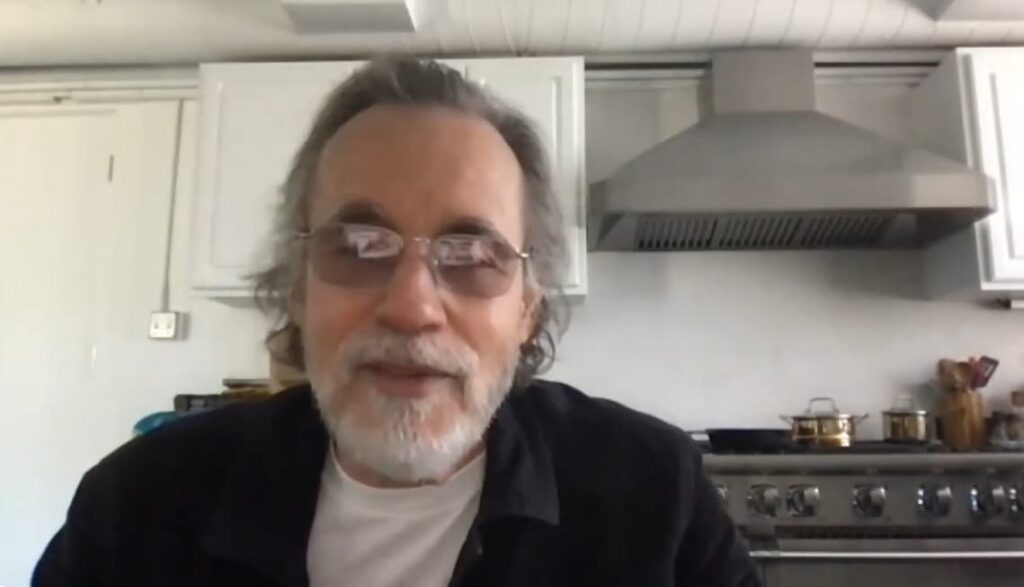
Jackson Browne on Guitar Solos and the Invisible Value of Session Musicians
In a recent recorded conversation, Jackson Browne offered a thoughtful and revealing perspective on the realities faced by working musicians, particularly session players whose contributions often define the sound of classic recordings but remain undervalued in financial terms. Speaking candidly, Browne addressed the gap between artistic value and compensation in the modern music industry, grounding his comments in personal experience rather than theory.
Browne began by describing the everyday life of professional musicians, noting that even highly skilled players who land prestigious or well paid work often continue to live job to job. According to Browne, many musicians remain available for small, last minute sessions because no opportunity can be taken for granted. This accessibility, while admirable, highlights a deeper imbalance. Exceptional talent is frequently treated as a flexible resource rather than a rare and irreplaceable asset.
He emphasized that, in his own practice, he has always paid musicians above standard rates whenever possible. Browne explained that this approach comes from an understanding that record sales and publishing income give him the means to do so, and that it would be unfair to ask great players to work cheaply simply because the system allows it. Still, he acknowledged that even fair pay does not fully address the deeper issue. There is no clear way to financially measure the impact of a great performance.
To illustrate this point, Browne reflected on an early version of The Song About My Cleveland Heart recorded without slide guitarist Greg Leisz. Listening back to that stripped down take, Browne realized how essential Leisz’s slide work was to the final recording. The guitar part did more than decorate the song. It helped hold the entire arrangement together and gave the track its emotional pull. Yet, as Browne pointed out, publishing credits and songwriting royalties do not account for such contributions.
This observation led to a broader reflection on guitar solos and signature instrumental parts. Browne argued that certain performances are so integral that the song feels incomplete without them. He cited other collaborators such as Mark Goldenberg, whose guitar lines on songs like Sky Blue and Black are inseparable from the identity of the music itself.
Throughout the conversation, Browne returned to a central idea. Musical greatness cannot be commissioned on demand. A musician does not simply arrive to deliver an iconic part for a fee. Instead, artist and player search together, experimenting until something honest and lasting emerges. That creative process, Browne suggested, is priceless, even if the industry has yet to find a way to truly recognize it.