
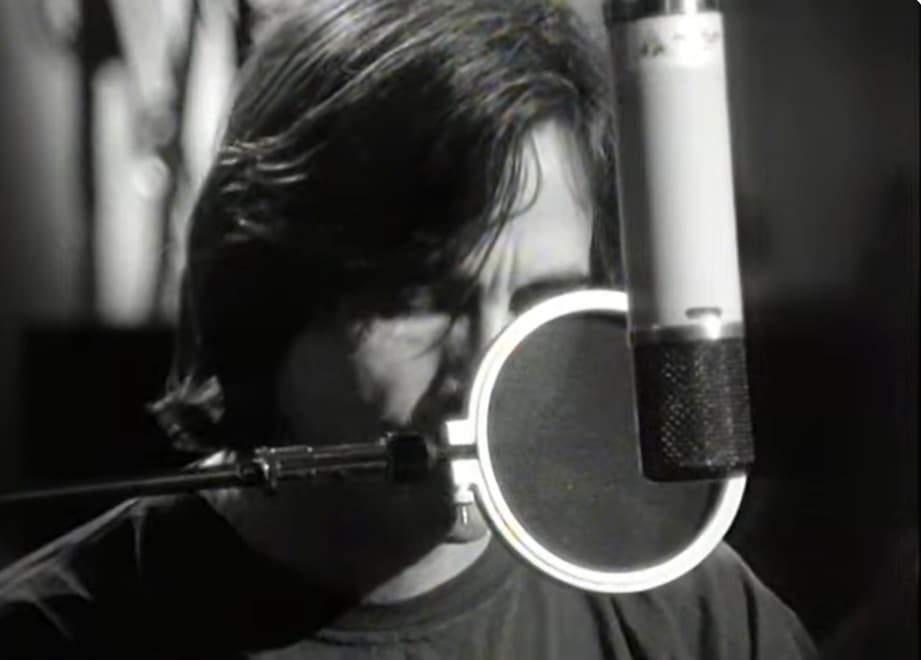
For a Dancer and the Quiet Emotional Core of Jackson Browne’s Songwriting
For a Dancer is widely regarded as one of Jackson Browne’s most emotionally enduring compositions, revealing the depth and restraint that define his work as a songwriter. First released in nineteen seventy four on the album Late for the Sky, the song stands apart from commercial ambition and instead reflects a deeply personal meditation on loss, memory, and acceptance.
Browne wrote For a Dancer in response to the death of a close friend, an event that profoundly shaped both the tone and message of the song. Rather than approaching grief with anger or dramatic expression, Browne chose a reflective and compassionate perspective. The song addresses the passing of time and the inevitability of change, while gently encouraging those left behind to continue living fully. This balance between sorrow and grace is central to its lasting power.
Musically, the original recording is understated and deliberate. Browne’s piano playing forms the emotional backbone of the song, supported by subtle instrumentation that never overwhelms the narrative. His vocal delivery is intimate and controlled, allowing the weight of the words to settle naturally with the listener. There is no sense of performance for effect. Instead, the recording feels like a private conversation, carefully shaped into song.
For a Dancer also exemplifies Browne’s ability to transform a specific personal experience into something broadly relatable. While rooted in an individual loss, the song avoids explicit detail, giving listeners space to project their own experiences onto its message. This approach reflects Browne’s belief that strong songwriting lies in finding the universal truth within a singular moment. It is a quality that has defined much of his most respected work.
Over the years, the song has taken on a life beyond its original release. It has been embraced by audiences as a reflection on aging, friendship, and mortality, often cited as one of Browne’s most meaningful compositions. While not a chart driven hit, its reputation has grown steadily through live performances, critical discussion, and word of mouth among listeners who connect deeply with its message.
For a Dancer remains a quiet cornerstone of Jackson Browne’s catalog. It represents his commitment to emotional honesty and thoughtful craft, showing how restraint and sincerity can create music with lasting resonance. More than five decades after its release, the song continues to offer comfort and clarity, confirming its place as one of the most poignant statements in Browne’s career.