
Bernard Purdie on Groove, Steely Dan, and the Enduring Power of the Purdie Shuffle
An in depth interview with Bernard Lee Purdie offers a rare technical and historical perspective on one of the most recorded drummers in modern music. Born June 11, 1941, Purdie has built a reputation as a master of time, feel, and restraint. Known widely for his signature half time shuffle pattern, often called the Purdie Shuffle, he remains a central figure in the evolution of rhythm and blues, soul, and funk drumming.
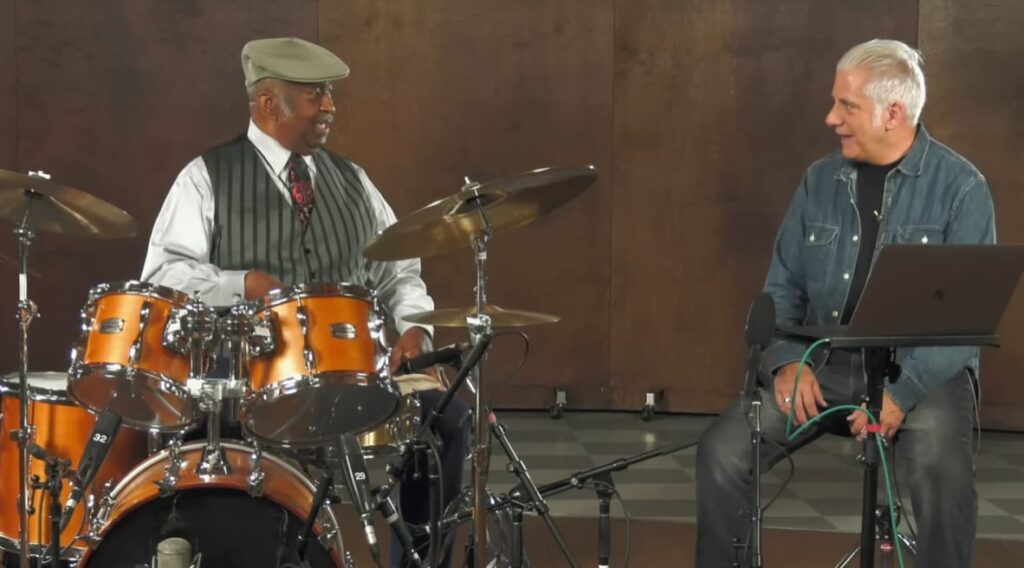
Speaking at Power Station in New York City, Purdie discussed the mechanics behind his sound, beginning with drum tuning and hi hat control. He emphasized precision and tightness, explaining that minimizing overtone and excessive ring allows engineers greater flexibility in the mix. His long standing practice of using fabric or paper to dampen drums was not about muting tone entirely, but about shaping it for clarity. For Purdie, balance in the room is fundamental. He views engineers as collaborators and consistently adjusts his instrument to serve the recording.
Central to the conversation was the Purdie Half Time Shuffle, a blues based shuffle enhanced by syncopated ghost notes on the snare. The groove is famously featured on Steely Dan tracks such as Babylon Sisters and Home At Last. Variations of the pattern later appeared in Led Zeppelin Fool in the Rain and Toto Rosanna. Purdie explained that the feel relies on space, dynamic control, and subtle ghost notes that contribute significantly to the groove without overpowering other musicians. He repeatedly underscored a guiding principle: keep it simple and stay out of the way.
Reflecting on his work with Steely Dan, Purdie described sessions that often involved multiple takes, sometimes dozens. He maintained that the strongest performances frequently occurred within the first few takes, when spontaneity and ensemble cohesion were at their peak. He also recalled working closely with bassist Chuck Rainey and keyboardist Paul Griffin, highlighting the importance of visual communication and mutual listening during tracking.
Beyond Steely Dan, Purdie’s career includes collaborations with Aretha Franklin and numerous Atlantic Records sessions. His approach to groove, especially the integration of ghost notes and hi hat articulation, influenced generations of drummers. Jeff Porcaro of Toto openly studied Purdie’s style before adapting it for Rosanna, further cementing the shuffle’s legacy.
Throughout the interview, Purdie’s philosophy remained consistent. Technique matters, but musicality and collective balance matter more. His enduring influence lies not only in the grooves he created, but in his disciplined commitment to serving the song above all else.