
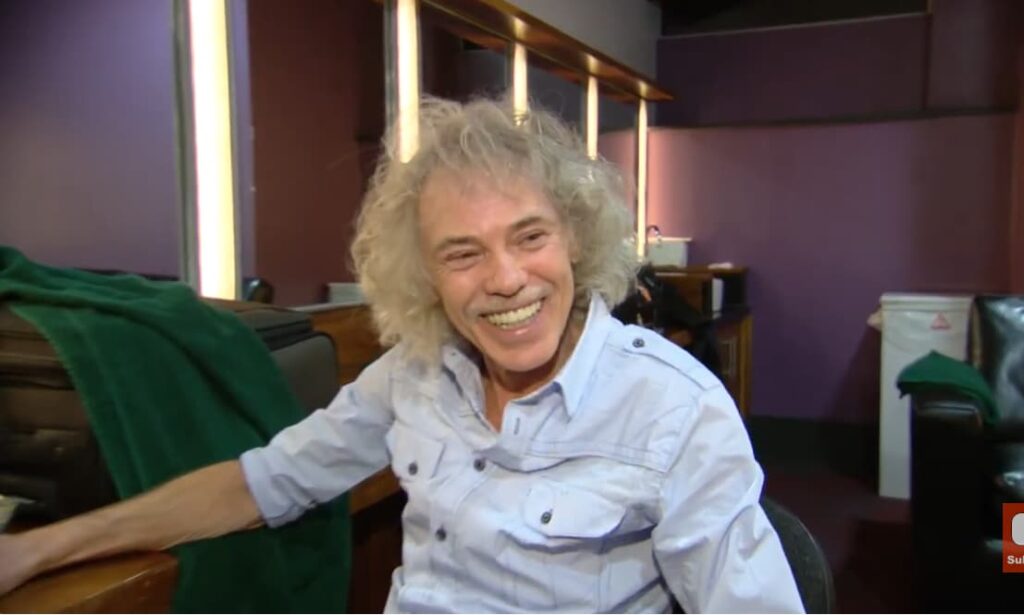
Alan Lancaster Reflects in Dublin as Status Quo Frantic Four Close a Chapter
Following the final Dublin show of the Status Quo Frantic Four reunion tour, founding bassist Alan Lancaster offered candid reflections in a post gig interview that captured both the energy of the night and the emotional weight of the occasion. The concert marked another major moment in the band’s reunion run, which reunited Lancaster with Francis Rossi and Rick Parfitt on stage decades after their original classic lineup years.
Speaking shortly after leaving the stage, Lancaster commented on the scale and atmosphere of the venue, noting that while large crowds can sometimes feel distant, the Dublin audience created a particularly warm and responsive environment. He described the hall as having a strong shape and feel, emphasizing that the connection with the crowd made the performance especially satisfying.
When asked whether the evening felt different because it was the final show, Lancaster suggested that the band approached it with intensity and humor rather than sentimentality. He made clear that, for him, the spirit of the performance was not about a formal goodbye. Instead, it felt like a continuation of something familiar. He expressed doubt that it truly felt like an ending, hinting that relationships built over decades cannot simply conclude with one final encore.
Throughout the interview, Lancaster repeatedly emphasized the importance of the audience. He referred to the fans as the driving force behind the band’s energy, explaining that the adrenaline generated by the crowd was essential to the performance. Without that exchange, he implied, the music would lack its essential spark. For Lancaster, the reunion confirmed that this dynamic had not diminished with time.
He also addressed the atmosphere backstage, describing the mixture of celebration and reflection as a kind of bittersweet gathering. The hugs shared among band members, crew, and long time collaborators were presented not as something unusual, but as part of the longstanding camaraderie developed through years of touring. According to Lancaster, the familiarity among the group remained intact, including the same humor, disagreements, and personalities that defined their earlier years.
Reflecting on the broader reunion period, Lancaster described the experience as strangely natural. Despite decades apart, he said it felt as though the band had simply resumed where it left off. The anxieties about whether the chemistry would return proved unnecessary in his view. Playing the classic songs again brought a sense of satisfaction, even as the tour concluded just as the band felt fully settled back into the material.
The Dublin interview ultimately revealed a musician grounded in realism rather than nostalgia. For Alan Lancaster, the Frantic Four reunion was not about rewriting history, but about reconnecting with the music, the audience, and the enduring relationships that shaped one of British rock’s most recognizable lineups.