
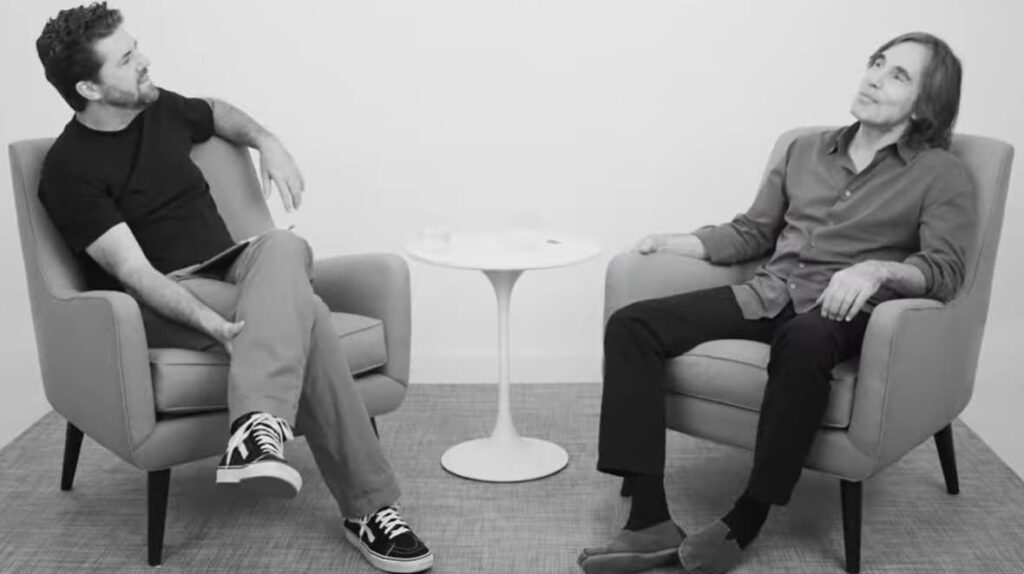
Jackson Browne Didn’t Think He Had a Good Voice Growing Up
Jackson Browne’s reputation as one of America’s most respected singer-songwriters might make it surprising to learn that he once doubted his own voice. In a candid interview clip from Off Camera with Sam Jones, Browne reflects on his early years and admits he did not think he sang well when he was young. His honest self-critique offers a rare glimpse into the insecurities behind a career that would later influence generations of musicians.
Long before his songs became staples of the singer-songwriter canon, Browne struggled with his vocal identity. Many artists start with self-doubt, but few reach Browne’s level of success and influence. His breakthrough albums in the early seventies, such as Jackson Browne and For Everyman, showcased a voice and style that resonated deeply with listeners, despite his own misgivings. Over time, he came to embrace his voice as an integral part of his songcraft, using its intimate and earnest quality to connect with audiences emotionally.
Browne’s journey from insecurity to confidence mirrors the growth of his songwriting. Early songs explored themes of personal reflection, lost love, and social consciousness, all delivered with a vocal style that was natural and unaffected. As his career progressed, he continued to rely on sincerity over technical perfection, proving that relatability and emotional truth can matter more in music than polished vocals.
What makes Browne’s admission compelling is that it humanizes an artist many fans view as an icon. His willingness to speak openly about his early doubts offers encouragement to aspiring musicians who may be struggling with their own voices and creative identities. It underscores a broader truth in music: that authenticity often outweighs technical prowess, and that developing confidence as a performer is a process shaped by experience and persistence.
Today Jackson Browne’s voice remains inseparable from the legacy he built over five decades. From emotionally rich heartland rock to introspective balladry, his work has stood the test of time, even as he continues to reflect honestly on his own artistic journey.