
If These Walls Could Rock: Jackson Browne Revisits the Troubadour and a Defining Era of Los Angeles Music
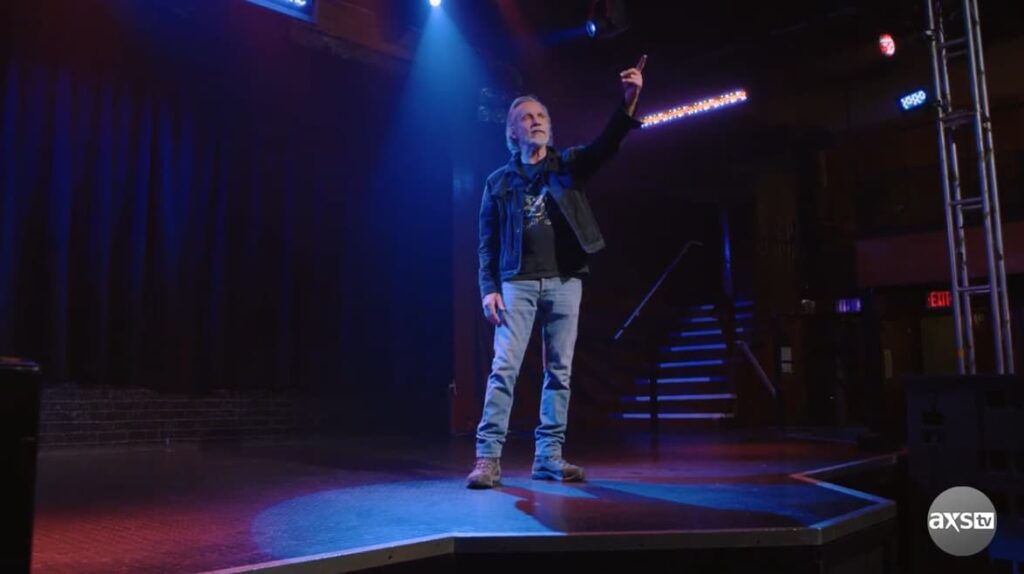
In a special bonus segment of the AXS TV series If These Walls Could Rock, Jackson Browne returns to one of the most storied rooms in American popular music, the Troubadour in Los Angeles. Airing as part of the network’s Wednesday lineup at 8:30 and 7:30 central, the episode offers a first hand account of how a modest club became a crucible for a generation of songwriters who would soon reshape the sound of the 1970s.
Walking through the venue, Browne reflects on how dramatically the space has evolved. He recalls a much smaller stage, a balcony without a bar, and long communal tables that made the room feel more like a family restaurant than a rock venue. There was no formal dressing room upstairs, and the sound booth was little more than a tiny window. Performers entered and exited in improvised ways. The physical limitations, he suggests, were secondary to the atmosphere. What mattered was the music and the community forming around it.
During the late 1960s and early 1970s, the Troubadour functioned as a vital showcase for emerging talent. Browne remembers seeing artists on the brink of stardom. Elton John played there before achieving international fame. Waylon Jennings appeared in an intimate setting designed to introduce major acts to dedicated fans and industry insiders. Browne also recalls performances by James Taylor, Joni Mitchell, Laura Nyro, and Kris Kristofferson. He himself opened for Linda Ronstadt, underscoring how interconnected the scene had become.
Browne emphasizes that the Troubadour was not initially a celebrity hangout. The bar was added later, altering the clientele and drawing figures from film and television who frequented nearby establishments. In its earlier incarnation, it operated primarily as a folk club with multiple shows throughout the week. Musicians attended each other’s performances, creating a steady exchange of ideas. The room fostered collaboration rather than spectacle.
He also addresses the business realities that shaped the venue’s legacy. Owner Doug Weston was known for securing options on artists after their first appearances, positioning the club to benefit as acts graduated to larger halls. As bands such as Eagles outgrew the intimate stage and moved on to civic auditoriums and major theaters, the Troubadour’s identity shifted. By the late 1970s and 1980s it had become more of a rock club, its walls eventually filling with memorabilia that transformed it into a living archive of popular music history.
For Browne, however, the essence of the Troubadour cannot be reduced to décor or nostalgia. Its significance lies in the musicians who populated it and the audience that listened with intent. The bonus clip captures not only architectural change but the organic rise of a community that defined the Los Angeles singer songwriter movement. In revisiting the room, Browne offers more than reminiscence. He provides cultural context for a venue that served as both launching pad and gathering place during a pivotal era in American music.