
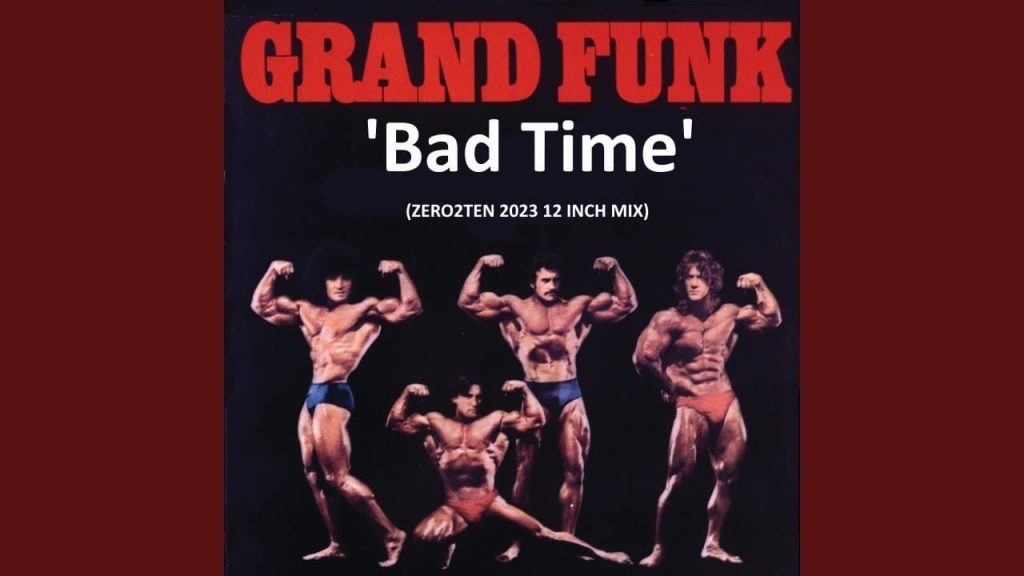
A Tender and Heartbreaking Farewell, a Poignant Anthem of a Love Lost and a Band’s Profound Transformation.
By 1975, the world of Grand Funk Railroad was in the midst of a dramatic and high-stakes transformation. The hard-rocking, no-frills power trio of the early 70s was gone, replaced by a more polished, radio-friendly version of themselves. They had added keyboardist Craig Frost and hired producer Jimmy Ienner to help them navigate the changing musical landscape. The result was their album All the Girls in the World Beware!!!, a record that saw them embrace a pop sensibility without losing their core grit. At the heart of this profound shift was a song that became one of their biggest hits, a ballad so tender and emotionally raw that it seemed to come from another band entirely. That song was “Bad Time.” It became a powerful testament to their new direction, soaring to a peak of number 4 on the Billboard Hot 100. Its commercial success was a powerful moment of redemption, a validation of their bold risk, but its true power lay in its deeply personal, heartbreaking drama.
The story behind “Bad Time” is a classic tale of heartbreak and emotional honesty, a quiet tragedy set to music. The song was penned by guitarist and lead singer Mark Farner, who, for years, had written anthems of defiance and power. But in this track, he stripped away the bravado and revealed a profound vulnerability. The drama of the song is in its raw, unvarnished confession of a love that is ending. It’s a theatrical monologue from a man who is watching his world fall apart, a final, painful conversation where he accepts the inevitable sorrow of a goodbye. The song’s power comes from its simple, universal truth—that there is no “good time” for a breakup, and the pain of a farewell is a quiet, devastating kind of loss.
The lyrical drama is a painful, poetic chronicle of this moment. The opening lines, “So I guess that this is goodbye / But it’s a bad time to say goodbye,” are an emotional gut-punch, setting a tone of deep, melancholic resignation. Farner’s voice, which had previously roared with an almost primal force, here is tender and vulnerable, filled with a quiet sorrow that makes every word feel heavy with regret. The music perfectly mirrors this emotional journey. It begins with a gentle, finger-picked acoustic guitar and a mournful melody, a somber moment of introspection. Then, the song builds to its climax, not with a thunderous riff, but with a beautiful, a cappella chorus where the band’s voices come together in a haunting, powerful harmony. It is a moment of profound unity in a story of separation, a final, shared lament before they go their separate ways.
For those of us who came of age with this music, “Bad Time” is a powerful time capsule, a reminder of an era when rock bands were unafraid to evolve. It’s a nostalgic echo of a time when a band known for its stadium-shaking sound could find immense success with a quiet, heartbreaking ballad. It is a testament to the fact that the most powerful form of emotional expression is often found not in rage, but in a quiet, painful acceptance. The song remains a timeless and profoundly emotional piece of rock history, a beautifully raw and human story that speaks to the universal experience of a heart breaking and the quiet courage it takes to say goodbye.