
“The Rose”: A Timeless Anthem of Vulnerability and Love’s Resilient, Unfolding Beauty.
There are songs that arrive not as fleeting pop hits, but as enduring pieces of cultural fabric, their melodies and lyrics so profoundly resonant that they feel as though they have always existed. Bette Midler’s iconic 1979 single, “The Rose,” is one such masterpiece. It is a breathtakingly beautiful ballad that distills the complex, often painful, and ultimately redemptive nature of love into a simple, elegant metaphor. For those of us who remember its arrival, or who have been moved by its quiet power over the decades, the song serves as a profound meditation on hope, fragility, and the courageous act of opening one’s heart, even in the face of fear. It speaks with a tender, universal wisdom that transcends age and experience, stirring deep reflections on love in all its forms.
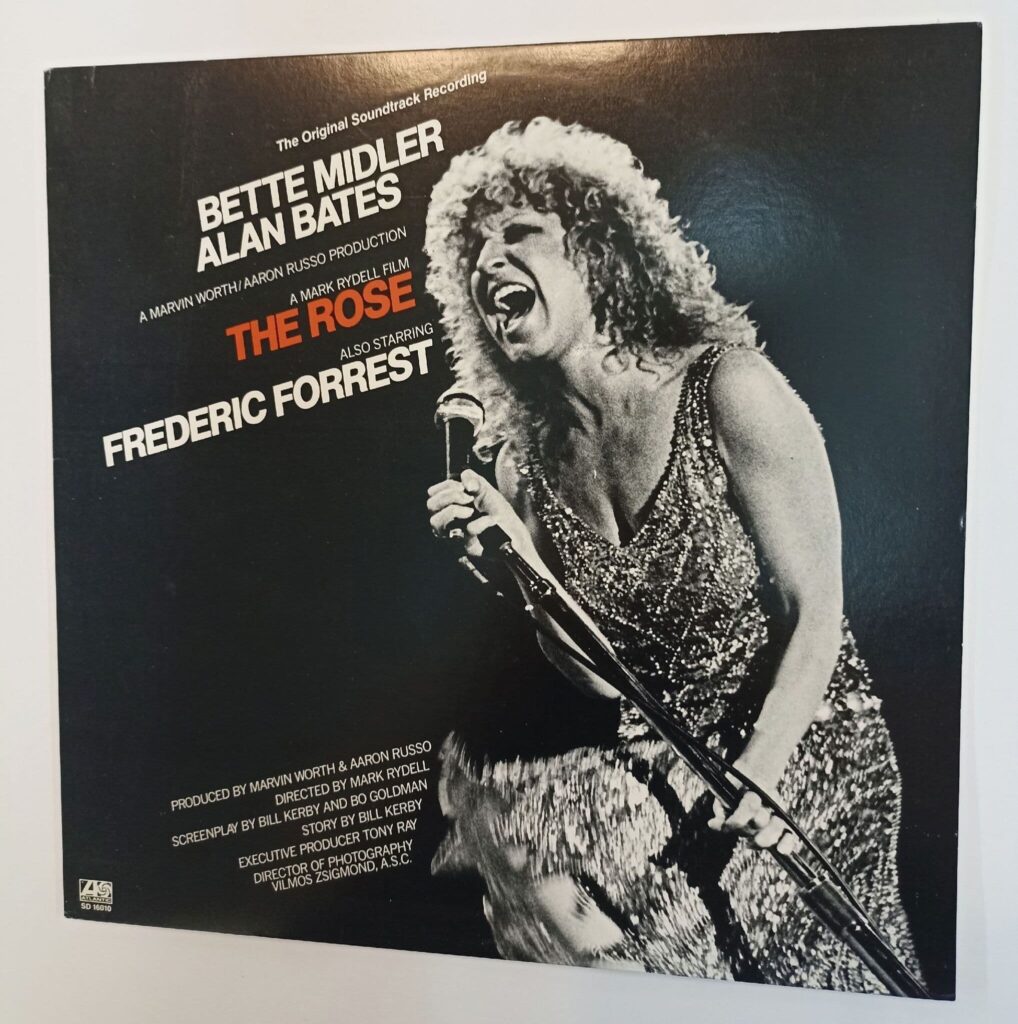
Released in September 1979, “The Rose” became a monumental commercial and critical success, cementing its place as a career-defining song for Bette Midler. The single soared to number 3 on the Billboard Hot 100 chart in the United States and topped the Billboard Adult Contemporary chart for an incredible five weeks. Its popularity extended globally, with it reaching number 1 in Australia and Canada, and performing strongly across Europe. The song’s success was inextricably linked to the film of the same name, The Rose, in which Midler starred as a rock and roll singer. The single was a critical component of the movie’s soundtrack, which itself reached number 12 on the Billboard 200 album chart. The song’s ubiquity on radio during that time was inescapable, its poignant melody a quiet but powerful presence on the airwaves, offering solace and reflection amidst the more boisterous sounds of the era.
The story behind “The Rose” is a tale of serendipity and a songwriter’s quiet genius. The song was written by Amanda McBroom, a singer-songwriter who would go on to have a successful career both in music and acting. McBroom has recounted that she wrote the song in about 45 minutes, inspired by a single phrase given to her by her publisher as a writing assignment. The song was initially not meant for the film The Rose at all; in fact, the film’s star, Bette Midler, and its musical director, Paul Rothchild, had a difficult time finding a suitable title track for the movie. After an exhaustive search, someone suggested McBroom’s song. When Bette Midler heard the demo, she was reportedly so moved that she insisted on recording it for the film. The choice was a stroke of genius; the song’s tender, vulnerable lyrics provided a perfect counterpoint to the film’s darker narrative about a troubled rock star, showcasing a deep emotional core beneath a chaotic exterior.
The meaning of “The Rose” is a powerful and beautifully crafted metaphor for the nature of love. The lyrics present love not as an easy, flawless experience, but as something that requires immense courage and a willingness to be vulnerable. It opens with stark, almost cynical warnings: “Some say love, it is a river / That drowns the tender reed,” and “Some say love, it is a razor / That leaves your soul to bleed.” However, the chorus and the bridge offer a breathtakingly beautiful rebuttal: “It’s the heart afraid of breaking / That never learns to dance / It’s the dream afraid of waking / That never takes the chance.” The song culminates in its central, radiant metaphor: “Just remember in the winter / Far beneath the bitter snows / Lies the seed that with the sun’s love / In the spring becomes the rose.” This is the song’s ultimate message: that true love, like a rose, is born from a place of cold and darkness, requiring patience, courage, and a belief in its eventual, beautiful bloom.
For older readers, “The Rose” resonates with a profound wisdom that only time and experience can bring. It might evoke memories of loves that were lost, risks that were taken, or moments when they chose to open their hearts despite the fear of being hurt. It speaks to the enduring hope that exists within us all, a belief that even after the coldest of winters, beauty and new life can emerge. Bette Midler’s flawless, heart-rending vocal performance, filled with both a fragile ache and a soaring conviction, makes “The Rose” a timeless anthem of resilience. It stands as a powerful reminder that to truly live is to love, and to love is to have the courage to plant a seed in the cold ground and believe in the miracle of the rose.