
The Sun-Drenched Brass and Bittersweet Longing of “Make Me Smile”
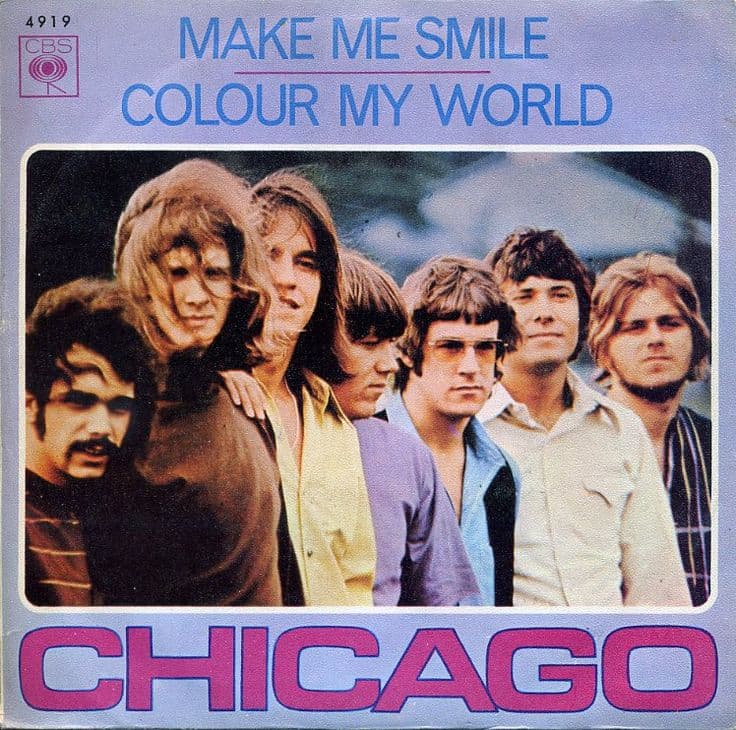
There are certain songs that arrive like a ray of sunshine, cutting through the haze of everyday life with an undeniable warmth and exuberance. For those of us who experienced the musical landscape of the early 1970s, Chicago’s “Make Me Smile” is undeniably one of those incandescent tracks. It’s a song that, even decades later, can instantly transport you back to a simpler time, evoking memories of first loves, sun-drenched afternoons, and the bittersweet ache of longing. Released in 1970 as part of their groundbreaking second album, “Chicago II,” this ambitious suite of interconnected songs found its standalone success when the single version, edited from the larger “Ballet for a Girl in Buchannon,” reached an impressive number 9 on the Billboard Hot 100 in 1971. Its chart performance was significant, yet it barely scratches the surface of the song’s profound emotional resonance and its lasting impact on the hearts of a generation.
The very essence of Chicago’s sound in their early years was a daring fusion of rock and jazz, a sophisticated blend that set them apart from their contemporaries. They weren’t just a rock band with horns; they were a collective of supremely talented musicians who truly integrated brass into the very fabric of their compositions. “Make Me Smile” is a quintessential example of this alchemy. Written by the band’s brilliant trombonist and primary songwriter, James Pankow, the song emerges from the larger “Ballet for a Girl in Buchannon,” a seven-part opus that showcases the band’s incredible musicality and adventurous spirit. This ambitious suite was a testament to their artistic aspirations, pushing the boundaries of what a rock band could achieve.
The story behind “Make Me Smile” and the “Ballet” it inhabits is one of youthful idealism and the intense emotions of first love and, crucially, first heartbreak. Pankow penned the suite, including this iconic song, as a raw, emotional outpouring about a significant relationship and its painful dissolution. It’s a deeply personal narrative, tracing the arc from blossoming romance to the inevitable sorrow of parting ways. “Make Me Smile,” while outwardly optimistic in its melodic structure, carries a subtle undercurrent of yearning and a hopeful plea for reconciliation. It’s a song about the desperate desire for someone to bring back the joy that only they can provide, a wish for the past to somehow re-emerge and mend what’s broken.
What makes “Make Me Smile” so utterly captivating, even today, is the brilliant interplay between Terry Kath’s soulful vocals and the vibrant, almost lyrical brass arrangements. The horns don’t just accompany; they converse, weaving intricate counter-melodies that elevate the song from a simple pop tune to a sophisticated musical statement. The famous opening horn riff is instantly recognizable, a burst of optimism that sets the tone. Yet, as Kath sings, “Does anybody really know what time it is? Does anybody really care?” you sense the deeper emotional turmoil beneath the surface. He isn’t just asking about the clock; he’s questioning the very essence of time and its relentless march, especially when confronted with the pain of separation. The juxtaposition of the upbeat music with the poignant lyrics creates a rich, complex emotional tapestry that is characteristic of Chicago’s finest work.
For many older listeners, “Make Me Smile” is more than just a song; it’s a profound portal to a specific era in their lives. It conjures images of college campuses, late-night conversations, and the intensity of emotions that often accompany young adulthood. It speaks to the universal experience of longing for connection, the hope that someone, somewhere, can restore a sense of happiness and completeness that feels lost. The song’s enduring appeal lies in its ability to tap into that bittersweet nostalgia – the recognition that while time moves on and relationships may change, the fundamental human desire for joy and connection remains constant. It reminds us that even in moments of sadness, there’s always the potential for a melody, a memory, or a person to come along and, quite simply, make us smile.