
A Power Ballad’s Heartbreak: Echoes of Loneliness in the Arena Rock Era
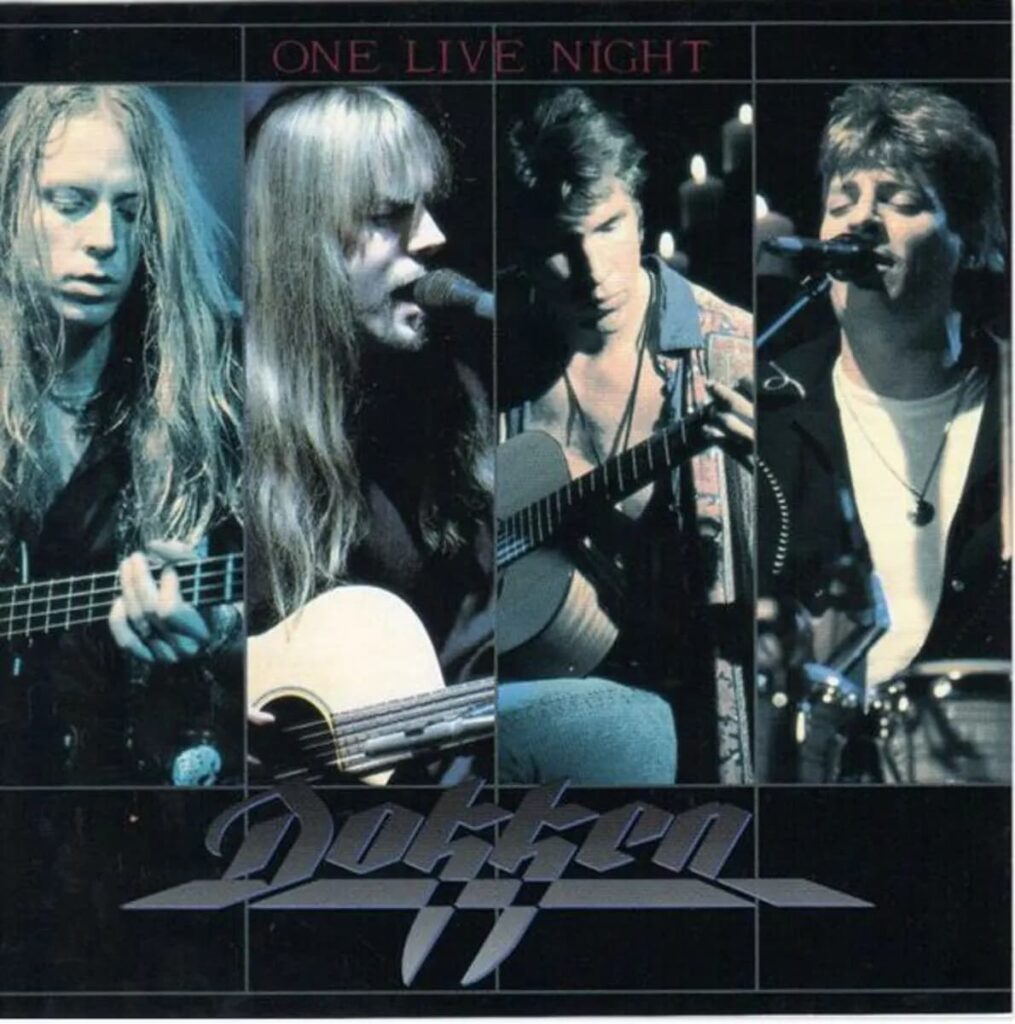
The mid-1980s was a golden age for hard rock and heavy metal, a period defined by soaring guitar solos, powerful vocals, and often, the emergence of the “power ballad”—a genre that fused raw emotion with arena-ready anthems. While bands often projected an strong, almost invincible swagger, it was frequently in these ballads that they bravely unveiled a deeper vulnerability, connecting profoundly with millions who resonated with themes of love, loss, and profound longing. Among the iconic bands of this era, Dokken stood out with their potent blend of melodic hard rock and heartfelt songwriting. And within their impressive catalog, one song perfectly captures the profound ache of a broken heart, becoming a cherished touchstone for a generation: “Alone Again.”
Released in 1984 as a single from their acclaimed sophomore album, “Tooth and Nail,” “Alone Again” solidified Dokken’s place in the pantheon of 80s rock. While the band had already gained traction with their debut, “Breaking the Chains,” it was “Tooth and Nail” that truly catapulted them into the mainstream. The album itself was a massive commercial success, peaking at number 49 on the Billboard 200 and eventually achieving platinum status. “Alone Again” was the album’s most successful single, showcasing a more introspective and tender side of the band that resonated deeply with a wider audience. It climbed to a respectable number 64 on the Billboard Hot 100 and, perhaps more significantly for the burgeoning rock scene, it reached number 20 on the Hot Mainstream Rock Tracks chart in 1985, proving its substantial impact within the hard rock landscape and on FM radio. Its emotional depth and unforgettable melody made it a powerful and enduring staple of rock radio for years to come.
For those of us who came of age with the soaring guitars and powerful vocals of 80s rock, “Alone Again” evokes an immediate sense of shared melancholy and profound empathy. It conjures images of late-night drives, of grappling with the raw pain of a breakup, and of finding solace in the honest, unvarnished expression of a song that truly understood. The story behind “Alone Again” is rooted in the deeply personal experiences and creative collaboration within the band. The song was a power ballad written by lead singer Don Dokken and bassist Jeff Pilson. Don Dokken has often spoken about drawing directly from his own romantic heartbreaks and the subsequent feelings of isolation and despair to craft the lyrics, making the emotion incredibly authentic and relatable. This deeply personal lyrical foundation, combined with Jeff Pilson’s melodic sensibilities and the band’s collective musical strength, particularly George Lynch’s iconic, soulful guitar work, elevated “Alone Again” beyond a mere hard rock track to become a genuine anthem of heartbreak.
The meaning of “Alone Again” is a poignant and unvarnished exploration of loneliness and the profound emptiness left in the wake of a lost love. It’s a raw, honest look at the aftermath of a broken relationship, capturing that agonizing moment when the initial shock fades and the stark, chilling reality of solitude truly sets in. The lyrics speak directly to this piercing pain: “I’m alone again / No one cares for me / I’m alone again / No one to comfort me.” It’s a lament, a cry of despair, yet it’s delivered with a powerful vulnerability that resonates with anyone who has experienced the unique ache of a fractured heart. The song perfectly encapsulates that quiet desperation, the feeling of being utterly adrift and isolated despite the world continuing to spin on around you. Don Dokken’s vocal performance is particularly impactful, conveying both a fragile tenderness and a raw, almost pleading emotion. The band’s musical arrangement provides a masterful backdrop, with George Lynch’s guitar work delivering solos that are both technically brilliant and profoundly expressive, mirroring the song’s central themes of yearning and sorrow.
For older listeners, “Alone Again” is far more than just a power ballad; it’s a powerful time capsule, transporting us back to an era where rock music could be both heavy and heartbreaking, loud and deeply intimate. It evokes vivid memories of navigating the complexities of young love and loss, of finding solace and understanding in anthems that bravely articulated our deepest fears and pains. It stands as a timeless testament to Dokken’s ability to craft songs that endure, proving that even in the most bombastic and electrifying of genres, the most impactful and lasting statements are often those whispered with the most profound vulnerability, leaving an indelible mark on the heart.