
A Measured Salute to Liberty, Where Music Becomes Witness and Conscience
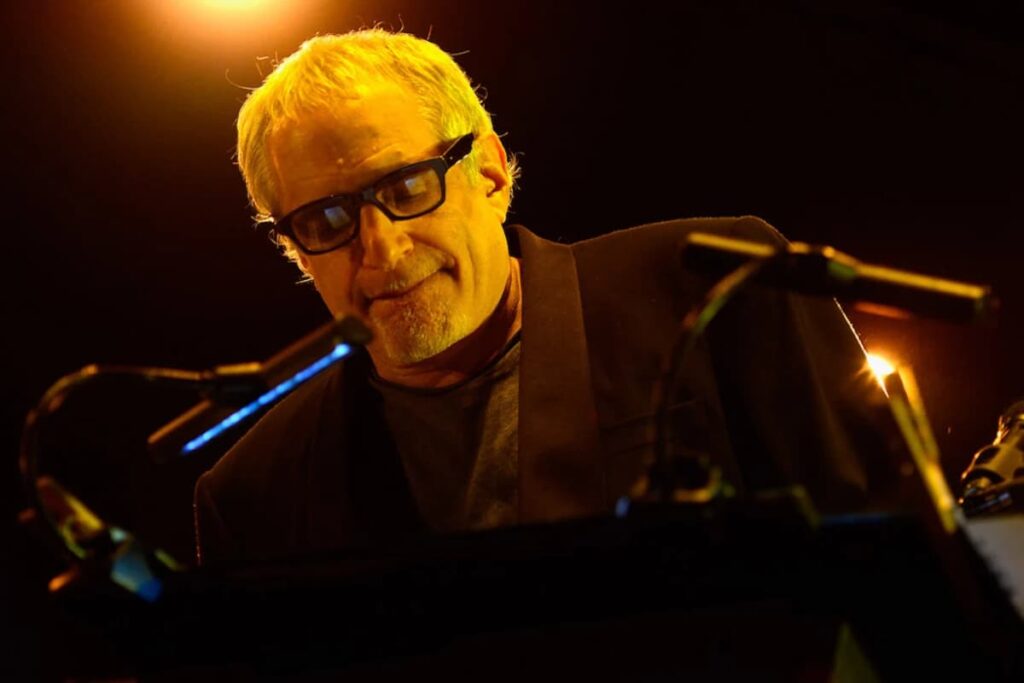
In 2012, Donald Fagen lent his unmistakable voice and moral clarity to “Toast To Freedom,” a collaborative anthem released to commemorate Amnesty International’s 50th Anniversary. The song itself was not designed for chart dominance, but for purpose. It appeared as part of a global project that brought together nearly fifty artists, united not by genre or commercial ambition, but by a shared commitment to human rights activism around the world. In interviews surrounding the release, Fagen spoke not as a rock icon, but as a citizen, reflective and precise, offering insight into how music can carry responsibility as well as beauty.
“Toast To Freedom” occupies a unique space in Fagen’s body of work. Known primarily for his meticulous songwriting with Steely Dan, where irony, satire, and moral ambiguity often reign, this project required a different posture. The song is direct, communal, and openly aspirational. In discussing the track, Fagen emphasized its collective nature. This was not about individual authorship or stylistic dominance. It was about alignment. Each contributing artist brought their own voice, yet none overshadowed the central message. Freedom, in this context, was not abstract or poetic alone. It was lived, contested, and urgently defended.
The interview material surrounding “Toast To Freedom” reveals Fagen at his most thoughtful and restrained. He avoided grandstanding or emotional excess, choosing instead to underscore the importance of sustained awareness. For Fagen, the song was not a solution, but a signal. Music, he suggested, has the power to remind people that injustice is not distant or theoretical. It is present, ongoing, and human. His tone echoed the ethos of Amnesty International itself, persistent rather than performative, grounded in long-term commitment rather than fleeting outrage.
Musically, “Toast To Freedom” reflects this philosophy. The composition is stately and deliberate, built to accommodate many voices without collapsing into chaos. Fagen’s contribution fits seamlessly within the arrangement, his phrasing measured and knowing. There is no theatrical flourish here, no attempt to steal focus. Instead, his voice functions as part of a larger fabric, reinforcing the song’s central idea that freedom is collective, fragile, and shared.
What makes this moment particularly resonant in Fagen’s career is how naturally it aligns with his long-standing worldview. Though often cloaked in irony, his songwriting has always been preoccupied with power, corruption, moral compromise, and the systems that shape human behavior. “Toast To Freedom” strips away the narrative disguises and speaks plainly. It is not cynical, but it is not naive. It acknowledges struggle while insisting on dignity.
In reflecting on the project, Fagen framed it as an act of respect, both for the activists who risk their lives daily and for the listeners who still believe music can matter beyond entertainment. The interview underscores a quiet truth. When artists of Fagen’s stature step into projects like this, they remind us that cultural influence carries ethical weight.
Today, “Toast To Freedom” stands as more than a commemorative song. It is a document of conscience, shaped by collaboration and sustained by conviction. Through his involvement and his words, Donald Fagen reaffirmed that even in an age of noise and distraction, music can still raise a glass not to celebration alone, but to vigilance, solidarity, and the enduring pursuit of human dignity.