
A Somber and Emotional Plea for Escape, a Poignant Anthem from a Band Grappling with Its Own Demise.
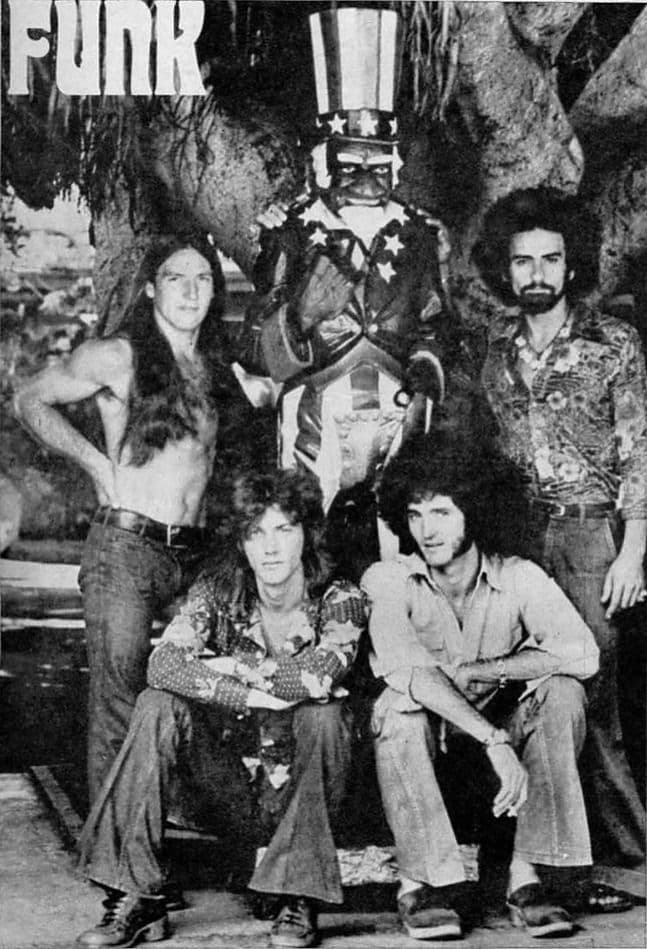
By 1976, the story of Grand Funk Railroad was no longer a simple rock and roll narrative of working-class grit and explosive sound. It had become a complex, deeply personal drama. The band that had once been a raw, thunderous power trio had added a keyboardist and was now experimenting with a more polished, orchestrated sound. Their album Born to Die was not a celebration, but a somber reflection of this period of creative and emotional turmoil. The title itself was a dramatic, fatalistic statement, and its music was a profound departure from the joyous hard rock of their earlier years. Within its dark, introspective tracks lay a song that perfectly captured the band’s internal pain. That song was “Take Me.” Released as a single, it had a moderate run on the charts, reaching number 53 on the Billboard Hot 100, but its power lies not in its commercial success but in its raw, unfiltered vulnerability—a desperate cry for rescue from a soul in agony.
The story behind “Take Me” is rooted in the emotional and artistic turmoil that was consuming Grand Funk Railroad at the time. The band was fighting with their management, their creative direction was causing internal strife, and the once-unwavering connection to their fanbase was being tested. The album Born to Die was a dark, brooding musical statement, and the song “Take Me” was its most heartbreaking moment. It’s a theatrical monologue from Mark Farner, the band’s songwriter and lead vocalist, a man who had gone from a celebrated rock star to someone who felt trapped by the very machine he had helped create. The lyrics, while seemingly a plea to a lover to be “taken away,” are loaded with a deeper, more existential dread. They speak to a profound weariness, a desperate desire to escape from the pressures of fame, creative expectations, and the relentless grind of the rock and roll machine.
The lyrical drama of “Take Me” is a painful and honest chronicle of this emotional state. The song is a soul-baring confession, filled with phrases that express a sense of being at the end of the line. The music itself is a character in this drama, perfectly amplifying the sense of despair. Unlike their earlier, guitar-driven anthems, “Take Me” has a soulful, almost delicate feel. The subtle orchestration, the gentle rhythm, and Farner’s emotive, almost fragile vocal delivery create a sense of deep vulnerability. The contrast between this subdued sound and the song’s tragic lyrical content is a brilliant piece of musical storytelling. The song feels like a last, desperate reach for salvation, a raw, unpolished plea for help from a man who is exhausted and broken. The melodic structure, with its build and release, mirrors a moment of emotional breakdown and a plea for relief.
For those of us who came of age with this music, “Take Me” is a powerful time capsule, a poignant and sometimes bittersweet reminder of a time when our favorite rock band was changing, and when the inevitable darkness that can accompany fame began to show. It’s a song that proves that even the most powerful and successful artists can feel trapped and desperate. The song endures because the emotion it portrays—the universal desire for escape and the pain of feeling lost—is timeless. It stands as a beautifully raw and profoundly emotional piece of rock history, a quiet masterpiece that captures the dark side of a very public dream.