
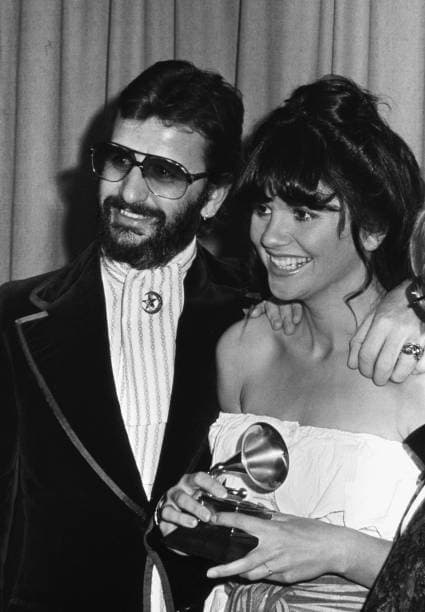
A Bleak Portrait of Love and Addiction: Linda Ronstadt’s Haunting “Carmelita”
There are moments in music when an artist, renowned for their power and versatility, chooses to embrace a song’s raw vulnerability, stripping away all pretense to reveal a profound, often unsettling, truth. Linda Ronstadt, a vocalist celebrated for her ability to inhabit diverse musical landscapes, did just that with her haunting rendition of Warren Zevon’s “Carmelita.” While it never achieved chart success as a single, this track, nestled within her monumental 1977 album “Simple Dreams,” stands as a stark and unforgettable portrait of a love intertwined with the devastating grip of addiction. “Simple Dreams” itself was a colossal success, spending five consecutive weeks at number 1 on the Billboard album chart and displacing Fleetwood Mac’s “Rumours” – a testament to Ronstadt’s undeniable star power and her impeccable taste in material. But even amidst the album’s numerous hits, “Carmelita” resonates with a quiet, yet piercing, intensity.
The genesis of “Carmelita” lies in the brilliant, often dark, songwriting of Warren Zevon. Zevon, a maverick in the singer-songwriter realm, was known for his literary lyrics, his biting wit, and his unflinching gaze at the grittier aspects of life. He first recorded “Carmelita” for his self-titled 1976 album, presenting it as a country-rock narrative steeped in the desperation of a heroin addict. The song immediately garnered critical attention for its raw honesty and its unflinching depiction of a world rarely explored in mainstream music. It was a story of survival, of a man on the fringes, pawning his meager possessions, struggling to secure his next fix, all while clinging to the hope of solace in the arms of a woman named Carmelita. The song’s grim subject matter, coupled with its vivid, almost cinematic imagery, made it a powerful, if uncomfortable, listen.
Linda Ronstadt’s decision to include “Carmelita” on “Simple Dreams” was a daring move, showcasing her willingness to push beyond the boundaries of traditional pop and rock. By this point in her career, Ronstadt was at the zenith of her commercial success, known for her soaring ballads and vibrant rock anthems. Yet, she consistently demonstrated an uncanny ability to connect with the emotional core of a song, regardless of its genre or subject matter. With “Carmelita,” she brought her singular voice to Zevon’s gritty narrative, transforming it with a blend of empathy and quiet despair that made the protagonist’s plight achingly real. She didn’t shy away from the darkness; instead, she illuminated it with her characteristic sensitivity.
The song’s meaning is embedded in its unflinching depiction of a life consumed by addiction and the desperate yearning for connection amidst that chaos. The opening lines, “I hear mariachi static on my radio / And the tubes they glow in the dark / And I’m there with you in Ensenada / And I’m here in Echo Park,” immediately set a stark, almost hallucinatory scene, contrasting nostalgic memories with a bleak present. The repeated refrain, “Carmelita, hold me tighter / I think I’m sinking down / And I’m all strung out on heroin / On the outskirts of town,” is a raw, pleading cry for comfort and release. It paints a picture of a love that is both a lifeline and a shared burden, existing on the margins of society, defined by the relentless cycle of dependency. While Zevon’s original referenced pawning a “Smith Corona” (a typewriter), Ronstadt famously changed it to a “Smith & Wesson” (a gun), adding an even darker edge to the protagonist’s desperation and further emphasizing the stark choices facing those trapped by addiction.
For older listeners, “Carmelita” evokes a powerful sense of empathy and reflection. It’s a sobering reminder of the struggles faced by individuals on the fringes, a testament to the fact that even amidst the glamour of 1970s rock, there were artists willing to confront uncomfortable truths. Ronstadt’s interpretation, with its subtle acoustic guitar work and the melancholic overlay of strings, adds a layer of tender heartbreak that makes the grim reality of the lyrics even more poignant. It isn’t just a story; it’s a window into a painful human experience, resonating with anyone who has witnessed or felt the devastating effects of addiction. “Carmelita” stands as a testament to Linda Ronstadt’s profound artistry – her willingness to embrace the shadows, to tell a difficult story with grace and conviction, and in doing so, to stir memories and compassion that linger long after the final notes fade.