
A Playful Pop Veneer Concealing a Dark, Timeless Tale of Love, Betrayal, and a Hero’s Tragic Downfall.
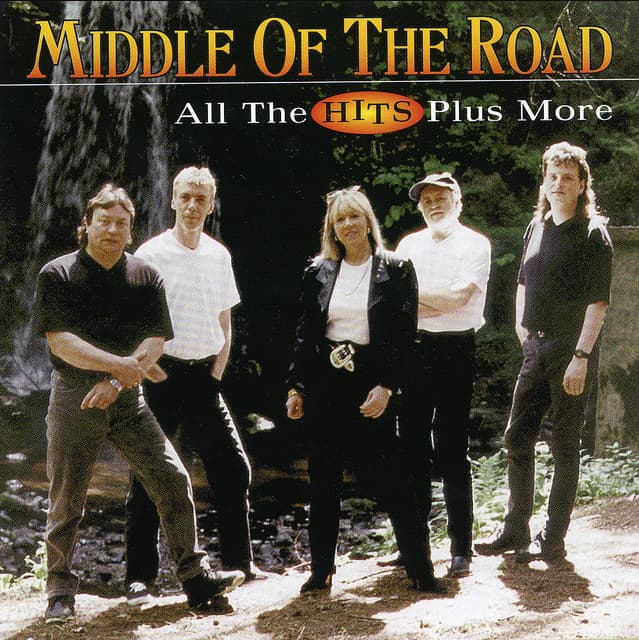
By the early 1970s, the pop charts across Europe were dominated by a sound that was at once jubilant, innocent, and irresistibly catchy. This style was epitomized by the Scottish band Middle Of The Road, a group that had carved out a successful career with joyous anthems like “Chirpy Chirpy Cheep Cheep” and “Sacramento.” Their 1972 album, Acceleration, continued this trend of bright, upbeat pop, but nestled within its tracklist was a song that was a daring, almost theatrical, departure from their signature style. That song was “Samson And Delilah,” a track that, despite its seemingly lighthearted pop veneer, told a dark and ancient tale of love and betrayal. While it never achieved the same global recognition as some of their other hits, it was a considerable success across the continent, charting at number 5 in Germany and number 2 in Norway, proving that its dramatic, mythic power resonated deeply with European audiences.
The drama of “Samson And Delilah” is a multi-layered one, starting with the very fact that a band known for its happy, bubblegum pop would choose to tackle a tragic biblical narrative. It was an unexpected, bold move that showcased a surprising artistic depth. The song’s story, a timeless tale of a hero’s downfall, is a tragic masterpiece in its own right. Samson, a man of immense strength and divine favor, is brought down not by a physical opponent, but by his own blind love for the deceptive Delilah. The song’s narrative is a cinematic one, tracing his journey from a state of untouchable power to one of profound vulnerability and eventual defeat. The music, with its seemingly innocent pop melody, creates a profound and unsettling sense of dramatic irony, telling a grim story with an almost childlike optimism.
The lyrical meaning of “Samson And Delilah” is a powerful cautionary tale. It serves as a reminder that even the strongest among us can be undone by emotional weakness and betrayal. The band, through the clear, unadorned vocals of singer Sally Carr, presents the story with a straightforwardness that makes the tragedy even more potent. The clean, upbeat instrumentation, with its catchy chorus and light harmonies, creates a disarming contrast to the dark nature of the lyrics. It’s as if the music is trying to soften the blow of the story, but the words themselves are relentless, charting a course toward an inevitable, tragic end. The song’s structure, building from a simple verse into a grand, almost anthemic chorus, uses the conventions of pop music to tell a powerful and timeless story of human folly and heartbreak.
For those of us who remember this era, “Samson And Delilah” is more than a catchy tune; it’s a fascinating and deeply emotional piece of pop history. It’s a nostalgic reminder of a time when a pop song could have a serious heart, telling a dark tale with a beautiful, melodic touch. It’s a testament to the band’s surprising artistic courage and their ability to take a risk and succeed. The song endures because its core message—that love and betrayal are timeless forces—is as relevant today as it was in biblical times. It stands as a unique and profound piece of music, a quiet masterpiece that reminds us that even in the brightest pop, there can be a dramatic and deeply human story.
 Oldies Songs