
A Monumental and Audacious Instrumental Epic, the Sound of Obsession and the Unlikely Launch of a Cultural Empire.
The year is 1973. The air is thick with the three-minute anthems of glam rock and the burgeoning experimentation of progressive bands, yet a nineteen-year-old musician named Mike Oldfield was attempting something entirely different. He presented the world with a sprawling, hour-long, entirely instrumental work, demanding listeners commit to a journey of unparalleled ambition. This magnum opus was “Tubular Bells,” and it was not merely an album; it was a cultural event, an artistic manifesto, and the genesis of one of the world’s most powerful corporate dynasties. Its success was a slow, majestic burn: it ascended to number 1 on the UK Albums Chart and reached number 3 on the Billboard 200 in the US, becoming one of the biggest-selling instrumental albums of all time. Crucially, the world first heard this magnificent work as the inaugural release of a tiny, fledgling enterprise launched by Richard Branson known as Virgin Records.
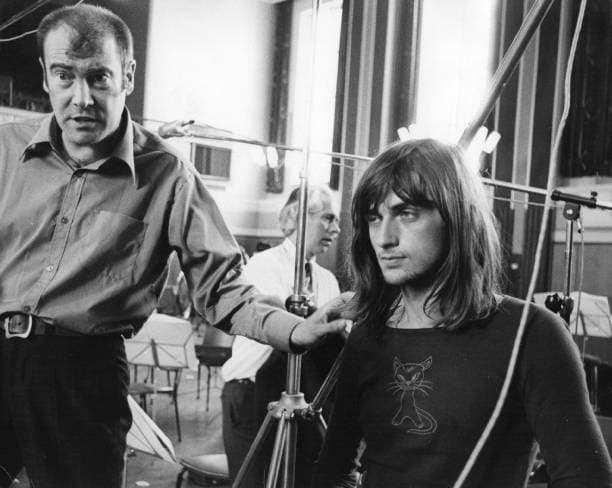
The drama behind “Tubular Bells” is the quintessential underdog story of artistic obsession. Mike Oldfield, then a struggling and virtually unknown multi-instrumentalist, faced relentless rejection from every established record label who dismissed his complex, genre-defying work as “uncommercial.” The composition was his solitary vision, a musical blueprint that required him to play almost every single one of the dozens of instruments heard on the record, layering them meticulously track by track in a relentless pursuit of perfection. This act of creative isolation and sheer will power became the foundational drama of the recording. Richard Branson, recognizing the brilliance where others saw only risk, took a spectacular gamble, pouring every available resource into recording the piece. “Tubular Bells” was thus born from defiance and faith, a high-stakes bet that an audience would embrace an hour of uncompromising, innovative music.
The meaning of “Tubular Bells” is not defined by lyrics, but by its visceral, cinematic progression. It is music as landscape, music as narrative. The iconic Part One, which features the most famous themes, begins with a simple, hypnotizing piano motif that acts as a beacon, slowly building in intensity and complexity. The music introduces instrument after instrument—guitars, organs, percussion—each layered with increasing dramatic tension, culminating in the unforgettable “master of ceremonies,” Vivian Stanshall, announcing the entry of the final instruments, including the famous titular bells. This musical structure is inherent drama, a perfect crescendo of sound and texture. Furthermore, the piece was catapulted into the collective consciousness when its opening theme became the terrifying, unforgettable soundtrack to the 1973 horror film The Exorcist, forever cementing its association with dread, tension, and the chilling unknown.
For those of us who experienced this piece upon its release, “Tubular Bells” is a profound dose of nostalgia, a vivid memory of a time when music could truly be an immersive, boundary-breaking experience. It’s a testament to the fact that complexity, ambition, and creative singularity can triumph over all conventional commercial wisdom. “Tubular Bells” stands as a timeless, deeply emotional, and magnificently audacious piece of musical history, a work that did not just define an era, but literally launched a cultural empire.