
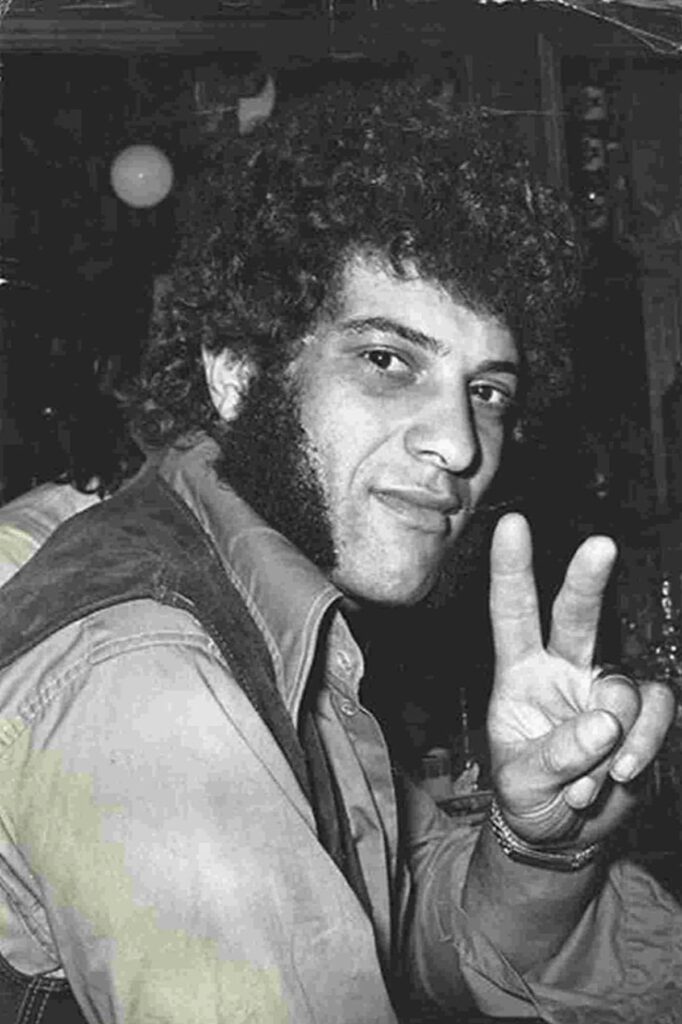
A Triumphant and Unmistakable Anthem of Defiant Optimism, Shrugging Off Trouble with a Joyous, Infectious Mantra.
The year 1973 was a time of musical maximalism; the airwaves were thick with the glittering drama of glam rock and the high ambition of progressive rock. Yet, standing apart from the theatrical excess was the persistent, peculiar spirit of Mungo Jerry. Fronted by the charismatic, side-burned visionary Ray Dorset, the band had once conquered the world with “In the Summertime,” but critics were quick to dismiss them as a fleeting novelty. Their single, “Alright, Alright, Alright,” released in the midst of this skeptical atmosphere, was a powerful, defiant statement of their enduring resilience. It was a massive commercial triumph, roaring up the charts to peak dramatically at No. 3 on the UK Singles Chart in 1973. This massive success proved, without a shadow of a doubt, that the good-time, skiffle-infused chaos of Mungo Jerry was no flash in the pan—it was a timeless form of musical therapy.
The story behind “Alright, Alright, Alright” is the drama of a band succeeding on its own terms. While their peers were embracing sophisticated production and theatrical imagery, Mungo Jerry stuck resolutely to their distinct blend of rough-and-tumble blues, jug band roots, and driving rockabilly. The song is the musical manifestation of a defiant, carefree philosophy—a refusal to conform to the era’s dominant trends. Ray Dorset channeled the band’s raw, infectious energy into a three-minute sonic antidote to the world’s creeping worries. It is a mantra for simple, unadulterated hedonism that resonated profoundly with the working-class audience, who needed a cheerful, authentic voice to celebrate the week’s end. Though often associated with their later output, the spirit of this single—often later included on albums like Long Legged Woman—is pure, defiant vitality.
The meaning of the song is a universal message of confidence, escapism, and the power of positive self-talk. The repetition in the title is the key dramatic device—it’s an almost manic, reassuring declaration that everything will, indeed, be fine. The lyrics are beautifully simple, celebrating the sheer thrill of a Friday night, the allure of a mysterious woman, and the swaggering confidence needed to meet life’s demands with a cheerful shrug. Musically, the track is pure, explosive energy. It’s driven by a frantic tempo, a riotous honky-tonk piano, a driving boogie rhythm, and Dorset’s signature growling, charismatic vocal delivery. The whole composition is a burst of joyful chaos, a theatrical performance designed to sweep listeners up and make them forget their troubles, proving that sometimes, the most profound and necessary drama is found in the simplest, most infectious celebration of life.
For those who cherish the honest, unpretentious spirit of 1970s rock, “Alright, Alright, Alright” is a potent dose of nostalgia. It is a testament to the enduring power of good-time rock and roll and the unique, unwavering vision of Ray Dorset. The song stands as a timeless, deeply emotional, and magnificent piece of triumphant musical drama—a reminder of a time when a song could climb to the top of the charts based purely on its ability to make the listener feel joyously invincible.