
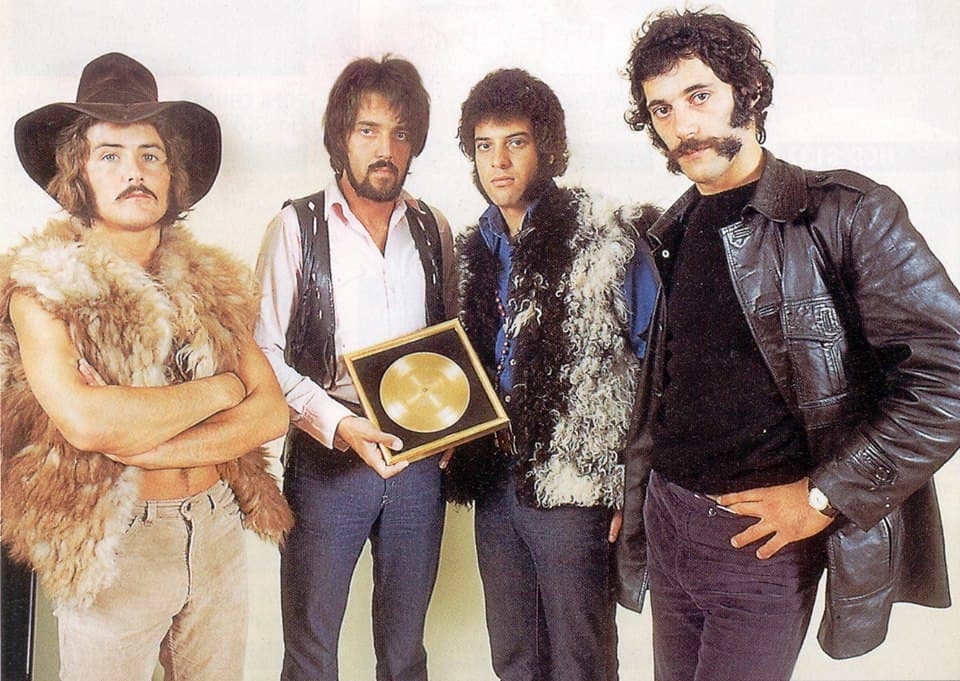
In the Summertime: A Carefree Anthem for a Generation, a Snapshot of Youthful Abandon and Simple Pleasures
There are some songs that, with the first few jaunty, infectious notes, can instantly transport you back in time. They are more than just music; they are portals to a specific season, a particular year, a feeling that defined an era. “In the Summertime” by Mungo Jerry is one of those songs. A genuine cultural phenomenon upon its release in 1970, this track was the sound of a global summer, a carefree, swaggering declaration of youthful freedom that sold an astonishing number of copies worldwide.
Its chart performance was nothing short of explosive. The song, which was actually the debut single for the British rock band, landed on the charts in May 1970 and proceeded to dominate. It held the number one spot on the UK Singles Chart for a remarkable seven weeks, becoming the best-selling single of the year. The same story was repeated across the globe, with the song reaching number one in dozens of countries, including Canada, France, Ireland, and Australia. While it “only” reached number three on the Billboard Hot 100 in the United States, its impact was colossal, and its legacy as a summer anthem was cemented. The single was a trailblazer in its own right, released as the world’s first “maxi-single” on a 33⅓ RPM seven-inch record, giving fans more bang for their buck. This unconventional release strategy only added to its unique and rebellious charm.
The story behind the song is as charmingly simple as the tune itself. The driving force behind Mungo Jerry was the band’s frontman, Ray Dorset, a former electronics technician who wrote the song in about ten minutes, drawing on fond memories of seaside family holidays. The track’s distinct “jug band” sound, a blend of skiffle, rock, and blues, was a deliberate choice, standing in stark contrast to the more polished sounds of the day. The unique instrumentation—featuring an upright bass, a honky-tonk piano, a banjo, and the homemade percussion of a jug being blown into—gave it a raw, spontaneous energy. The song’s now-iconic opening, the sound of a sports car revving, wasn’t a high-tech studio trick; the band simply recorded a studio engineer’s MG and spliced the track to create a longer, more impactful single.
But the true genius of “In the Summertime” lies in its meaning, a simple, hedonistic philosophy that resonated deeply with a generation eager to shed the stiff conventions of the past. The lyrics are a manifesto of living in the moment, an ode to the simple pleasures of a sunny day, a drink with friends, and the pursuit of romance. The famous, or infamous, line, “If her daddy’s rich, take her out for a meal / If her daddy’s poor, just do what you feel,” was a playful nod to the class divides of the time. It was a recognition that a working-class lad might have to change his approach depending on his date’s background, but the ultimate message was a defiant one: genuine connection and fun didn’t require money. It was about authenticity, about being yourself.
For those of us who came of age with this song as our soundtrack, it’s impossible to hear it without feeling a familiar surge of warmth and nostalgia. It evokes images of a world that feels both impossibly distant and vividly present: long, hazy days, the smell of cut grass and warm asphalt, the thrill of a first kiss, and the boundless optimism of a time when the future seemed as wide-open as the summer sky. It was a time when a simple tune could unite millions in a shared feeling of joy, a universal declaration that life, no matter the season, was for living. “In the Summertime” wasn’t just a song; it was a feeling, a memory, and a philosophy all rolled into three perfect minutes of pure, unadulterated sunshine.