
A Quiet and Profound Lament for Emotional Turmoil, a Beautiful Acceptance of Inevitable Sorrow.
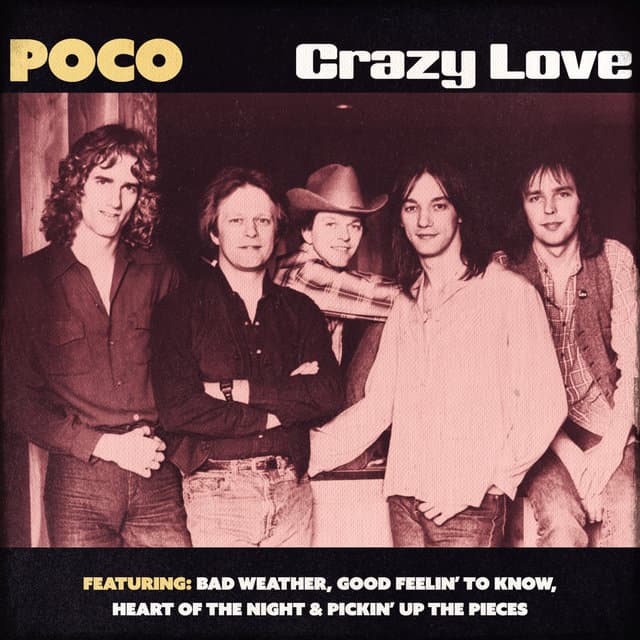
In the early 1970s, as the sprawling, sun-drenched landscape of California gave birth to the rich, melodic sound of country rock, a band named Poco stood as one of its most innovative pioneers. They blended the intricate harmonies of rock with the gentle, soulful storytelling of country music, creating a sound that was both unique and deeply resonant. Their 1971 album, From the Inside, was a transitional and deeply emotional record for the band, a testament to their resilience after losing a founding member. While it didn’t achieve the massive commercial success of their later work, it holds a special place in the hearts of true fans, reaching a respectable number 52 on the Billboard 200. Tucked within this album was a song that was never released as a single and never found its way onto the charts, yet it remains one of their most powerful and poignant statements. That song was “Bad Weather.” Its power lies not in fleeting popularity, but in its dramatic, emotional honesty—a profound and heartbreaking contemplation of inner turmoil.
The story of “Bad Weather” is a quiet tragedy. The drama is a deeply internal one, a somber monologue from a soul grappling with a world that has turned cold and dark. Written by Paul Cotton, the song uses the simple metaphor of a weather report to describe an emotional state. The “bad weather” isn’t a literal storm of rain and wind, but a painful cloud of emotional despair and a sense of resigned acceptance. The song is a theatrical portrayal of a person looking out a window at a gloomy day, a view that perfectly mirrors the sorrow within. It is a moment of profound introspection, a raw and unvarnished admission that sometimes, the only thing you can do in the face of sorrow is to simply endure it.
The lyrical narrative is a direct, honest confession of this emotional turmoil. The song is a gentle lament, with lyrics that paint a picture of a soul adrift. The soft vocals and a mournful, weeping pedal steel guitar provide a backdrop that allows the raw honesty of the words to resonate with a quiet power. It is this musical and lyrical synergy that makes the song so achingly beautiful. The harmonies, a hallmark of the Poco sound, are subdued and melancholic, as if they are the quiet, sympathetic whispers of friends who understand the pain. The song’s deliberate, slow pace allows the listener to fully immerse themselves in the sad beauty of the moment, to feel the emotional weight of the narrative. It’s a powerful testament to the fact that some of the most profound emotions can be expressed not with a thunderous roar, but with a quiet, sorrowful sigh.
For those of us who came of age with this music, “Bad Weather” is a time capsule, a powerful reminder of an era when albums were meant to be listened to as cohesive artistic statements. It’s a nostalgic echo of a time when the deepest cuts on a record could be as meaningful and enduring as the biggest hits. It speaks to the universal experience of enduring emotional pain and finding a strange, quiet beauty in the melancholy. The song endures because the emotion it portrays is timeless and universal. It remains a beautifully raw and profoundly emotional piece of country-rock history, a quiet masterpiece that proves that true strength lies not in avoiding the storm, but in finding a way to simply stand in the rain.