
A Timeless and Tragic Ballad of Love and Loyalty, a Haunting Glimpse into the Heart of an Outlaw’s Woman.
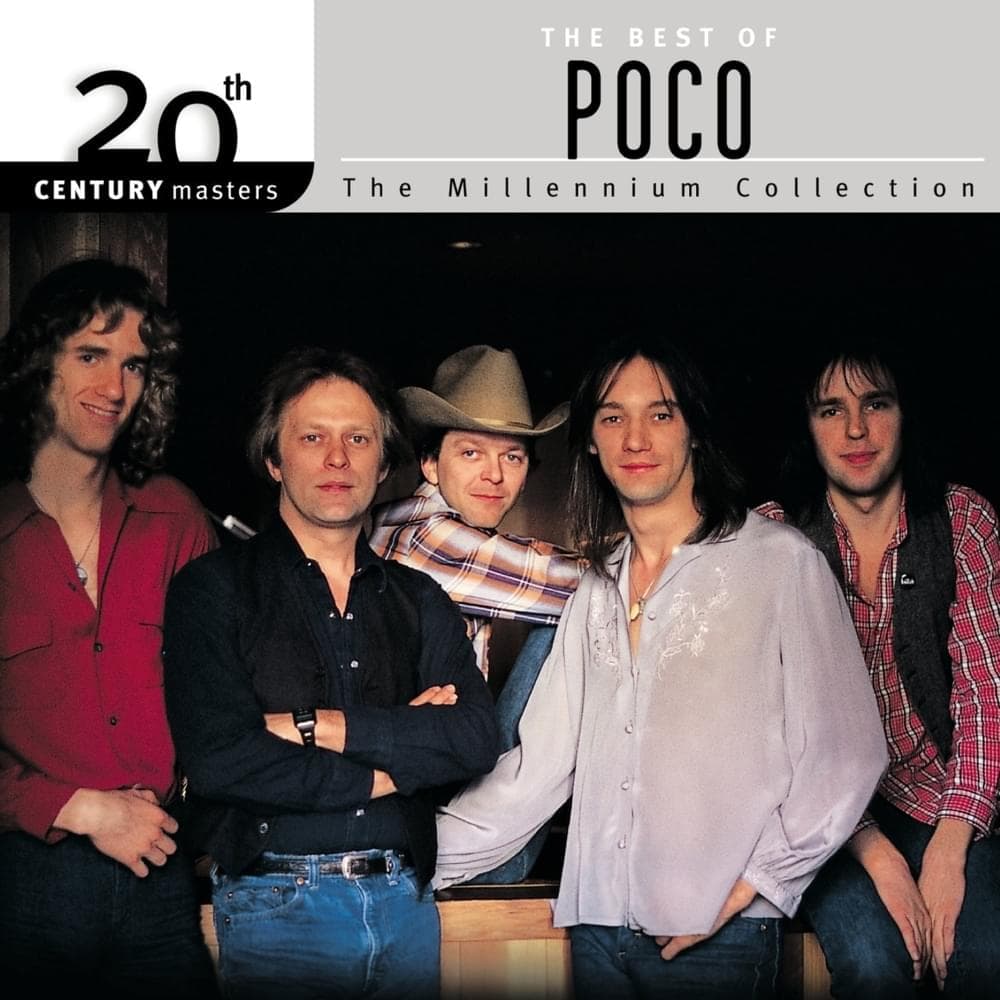
In the mid-1970s, as the polished sounds of mainstream rock began to dominate the airwaves, a different kind of music was being forged—a genre that looked to the rugged, romanticized American past for its inspiration. This was the era of country-rock, a sound pioneered by bands like Poco, a group born from the ashes of Buffalo Springfield. In 1976, Poco released an album that would become a cornerstone of their legacy, a record that distilled the myth of the American West into a collection of timeless songs. That album was Rose of Cimarron, and its title track was a haunting and emotionally charged ballad. While the song itself was not a commercial smash, reaching a modest number 94 on the Billboard Hot 100, its power lay not in fleeting chart success, but in its profound, cinematic drama. The album, however, performed better, peaking at number 89 on the Billboard 200, a testament to its deep connection with a dedicated audience.
The story of “Rose of Cimarron” is a piece of American folklore, a dramatic and tragic tale based on a real person. The song is a ballad about Rose Dunn, a historical figure from the late 19th century who was the companion of outlaw George “Bitter Creek” Newcomb, a member of the notorious Doolin-Dalton Gang. The drama unfolds not as a simple tale of crime, but as a love story born in the crucible of desperation and danger. The lyrics paint a vivid picture of a woman who chose a life of loyalty to her love, a life lived on the fringes of the law, where every sunrise brought the threat of a gunfight and every sunset was a moment of fleeting, desperate peace. The song romanticizes her journey, but it also hints at the profound sadness and the inevitable end that such a life would bring.
The lyrical narrative, delivered with a perfect blend of solemnity and grace by Poco co-founders Paul Cotton and Timothy B. Schmit, pulls you into this tragic story. The song is a theatrical journey, a mournful reflection on a love that was as beautiful as it was dangerous. The music itself is a character in this drama, perfectly amplifying the emotional weight of the story. The song begins with a quiet, almost foreboding acoustic guitar, a sound that feels like a dusty old photograph. This is the calm before the emotional storm. As the narrative builds, the full band enters, creating a powerful, cinematic swell of sound with their signature harmonies and soaring instrumentation. The guitar solos are not just melodic flourishes; they are a dramatic expression of the internal conflict and emotional turmoil, a powerful lament for a love that could never find a home.
For those of us who remember this era, “Rose of Cimarron” is more than a song; it’s a time capsule. It’s a haunting reminder of a time when folk-rock could tell a story with the grandeur of an epic poem. It’s a nostalgic echo of a time when we were unafraid to explore the darker, more mysterious corners of the human experience. The song endures because the emotion it portrays—the painful beauty of a love so strong it transcends the law—is timeless and universal. It remains a beautifully haunting and profound piece of music, a timeless and tragic tale of fate that continues to resonate with its cinematic drama.