
A Gentle, Haunting Ballad of Love and Longing, a Miraculous Anthem That Saved a Band from the Brink.
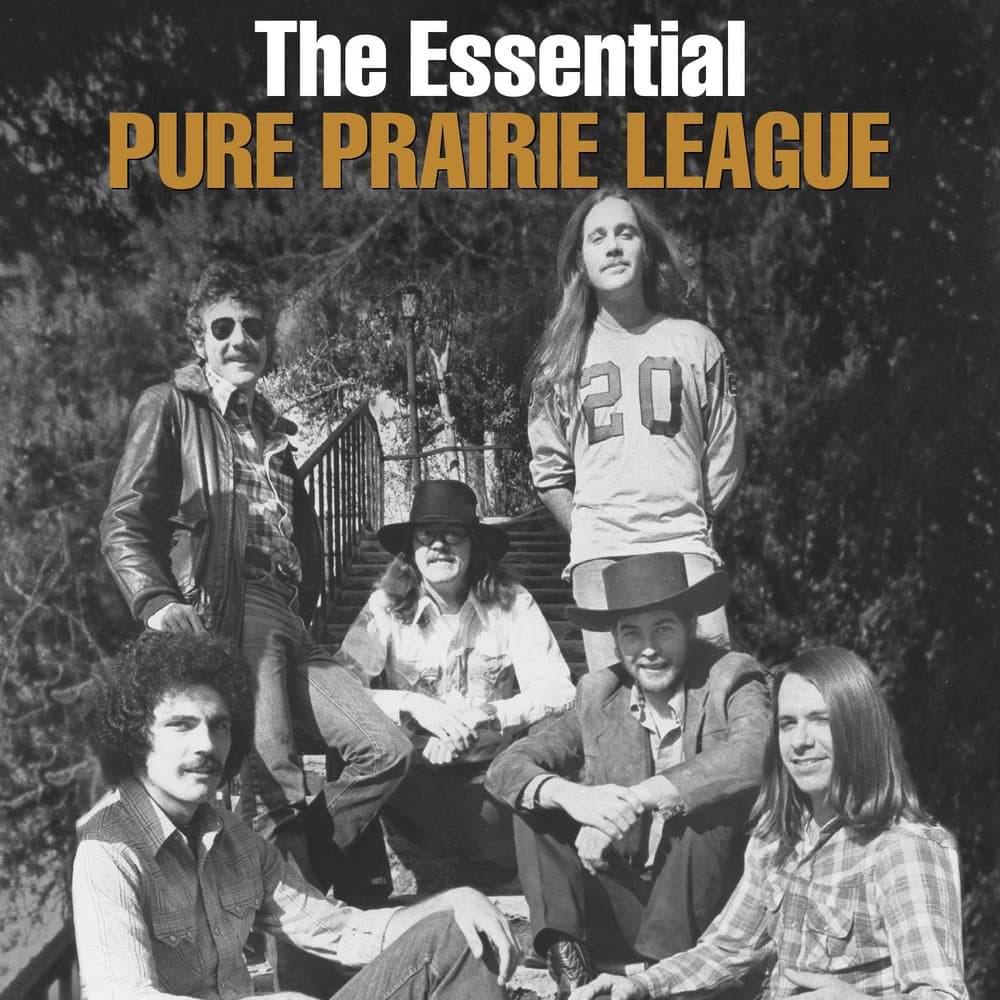
In the vast, verdant fields of 1970s country rock, where genres blurred and musical boundaries were a thing of the past, a band from Ohio was on the verge of fading into obscurity. Pure Prairie League, a collective of talented musicians, had released their second album, Bustin’ Out, in 1972. It was a record full of honest, heartfelt music, but commercially, it was a failure. The band was in disarray, their record label was losing faith, and the future seemed bleak. The album’s key songwriter and vocalist, Craig Fuller, had even left the group, convinced that their moment had passed. Then, in a dramatic, slow-burn twist of fate, a song from that album began to take on a life of its own. That song was “Amie.” It was released as a single in 1973 with little success, but thanks to persistent and organic radio play on college and AOR (Album-Oriented Rock) stations, it was re-released in 1975, finally finding its audience. The song became a national sensation, reaching a peak of number 27 on the Billboard Hot 100, and in the process, it resurrected a band that had all but given up hope.
The story behind “Amie” is the quintessential drama of the underdog. The band’s initial struggles—their inability to connect with a wider audience despite critical acclaim—created a deep sense of desperation. The song, a beautiful, vulnerable ballad, was an emotional plea from its very core. The songwriter, Craig Fuller, wrote it as a heartfelt message to a woman, capturing the universal pain of separation and the loneliness of a musician’s life on the road. The lyrical narrative is a simple, direct confession, a theatrical monologue from a heart full of love and longing. “And if you should fall on hard times / Amie, you can always call on me,” the lyrics offer a promise of unwavering support, a beacon of hope in a world of constant movement and uncertainty.
But the real drama of “Amie” lies in its journey. The song’s delayed success feels like a miracle, a testament to the power of a great song that simply refused to die. While the band was breaking up and its members were moving on, the song was out there, quietly doing its work, inching its way into the hearts of listeners one radio spin at a time. The emotional climax of the story is not in a grand concert hall, but in the quiet moments of reflection when a member of Pure Prairie League first realized their song was finally a hit. The song’s gentle, acoustic instrumentation—the mournful pedal steel, the lilting fiddle, and the rhythmic acoustic guitar—perfectly complements its lyrical sadness and yearning. Craig Fuller’s vocal performance, particularly the soaring, vulnerable falsetto on the chorus, is the emotional core of the song, a beautiful, a-ha moment of pure longing.
For those of us who remember this era, “Amie” is more than a song; it’s a feeling. It takes us back to a time of honest, unvarnished music, of a sound that felt both earthy and timeless. It’s a nostalgic reminder of the universal truth that the best songs are often those that speak to the simple, everyday struggles of the heart. The song’s enduring legacy is its improbable success, a beautiful and poignant reminder that sometimes, the most profound victories are the ones that arrive in the quietest moments, just when you’re about to give up.