
A Gritty and Profound Monologue on Regret, a Painful Reckoning with the Aftermath of a Wild, Unforgettable Night.
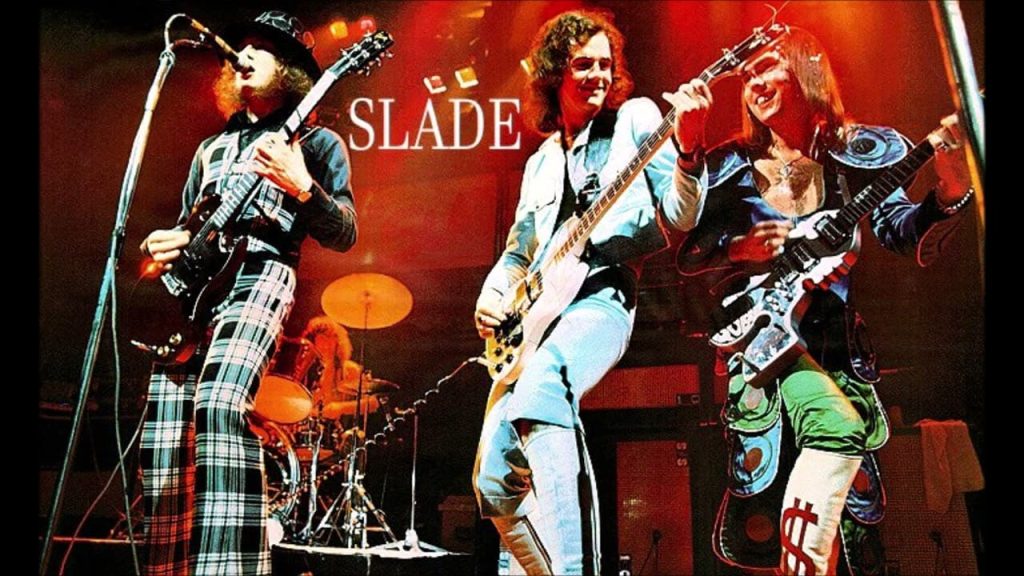
In 1972, the musical world was a glitter-drenched playground, and at its center stood Slade, the unpolished kings of glam rock. Hailing from the industrial heartlands of England, they were a band of working-class heroes who built their empire not on theatrical pretense, but on sheer, unadulterated power and an infectious, boisterous charm. Their third studio album, Slayed?, was a crowning achievement, a record that soared to number one on the UK Albums Chart and became a defining document of the era. While it was packed with thunderous sing-alongs, it also held a track that revealed a different, more vulnerable side of the band—a song that felt like a quiet, yet devastating, confession. That song was “Look at Last Nite.” It was never released as a single and never found its way onto the charts, but its emotional weight and raw honesty made it a beloved deep cut for those who truly listened. Its power lies not in fleeting popularity, but in its dramatic, emotional narrative—a painful reckoning with the morning after.
The story of “Look at Last Nite” is a universal drama, a cinematic tale that unfolds in the quiet, merciless light of a new day. The song, penned by the band’s brilliant songwriting duo Noddy Holder and Jim Lea, places the listener in a messy room, where the protagonist wakes up with a throbbing headache and a blank space in his memory. The drama is a silent one, a painful monologue as he pieces together the events of the previous night through a series of heartbreaking clues: a note on the door, an empty wine bottle, a lingering feeling of shame. The party is over, the music has faded, and all that’s left is the crushing realization that he’s said or done something he can’t take back. It’s a beautifully raw and unvarnished confession of regret, a theatrical moment of vulnerability from a man who is supposed to be unbreakable.
The lyrical details are what give the song its gut-wrenching emotional power. Phrases like “The empty wine bottle on the floor, an old shoe, a note on the door” paint a vivid picture of the chaos and debauchery of the night before. But the true heartbreak comes from the line, “I can’t remember what I said,” a sentiment that speaks to the deepest fear of anyone who has lost control. The music itself is a character in this drama, perfectly amplifying the sense of regret. Unlike the band’s typical high-energy anthems, this song is stripped down and bluesy. The mournful acoustic guitar intro and the raw, pained vocal delivery from Noddy Holder create a somber, almost palpable sense of melancholy. The song builds with a quiet intensity, with the full band coming in for a powerful, rhythmic chorus that feels like a collective groan of remorse.
For those of us who came of age with this music, “Look at Last Nite” is a time capsule, a powerful reminder of an era when rock and roll wasn’t afraid to get real. It’s a song that speaks to the universal experience of facing the painful consequences of youthful indiscretions. It’s a nostalgic echo of a time when albums could be as emotionally honest as they were loud. The song endures because the emotion it portrays—the painful journey from wild abandon to sober regret—is timeless and deeply human. It remains a beautifully raw and profoundly emotional piece of rock history, a perfect document of the drama that unfolds when the party ends and the hangover begins.