
An Unyielding Anthem of Endurance: The Enduring Power of Love as a Steadfast Force
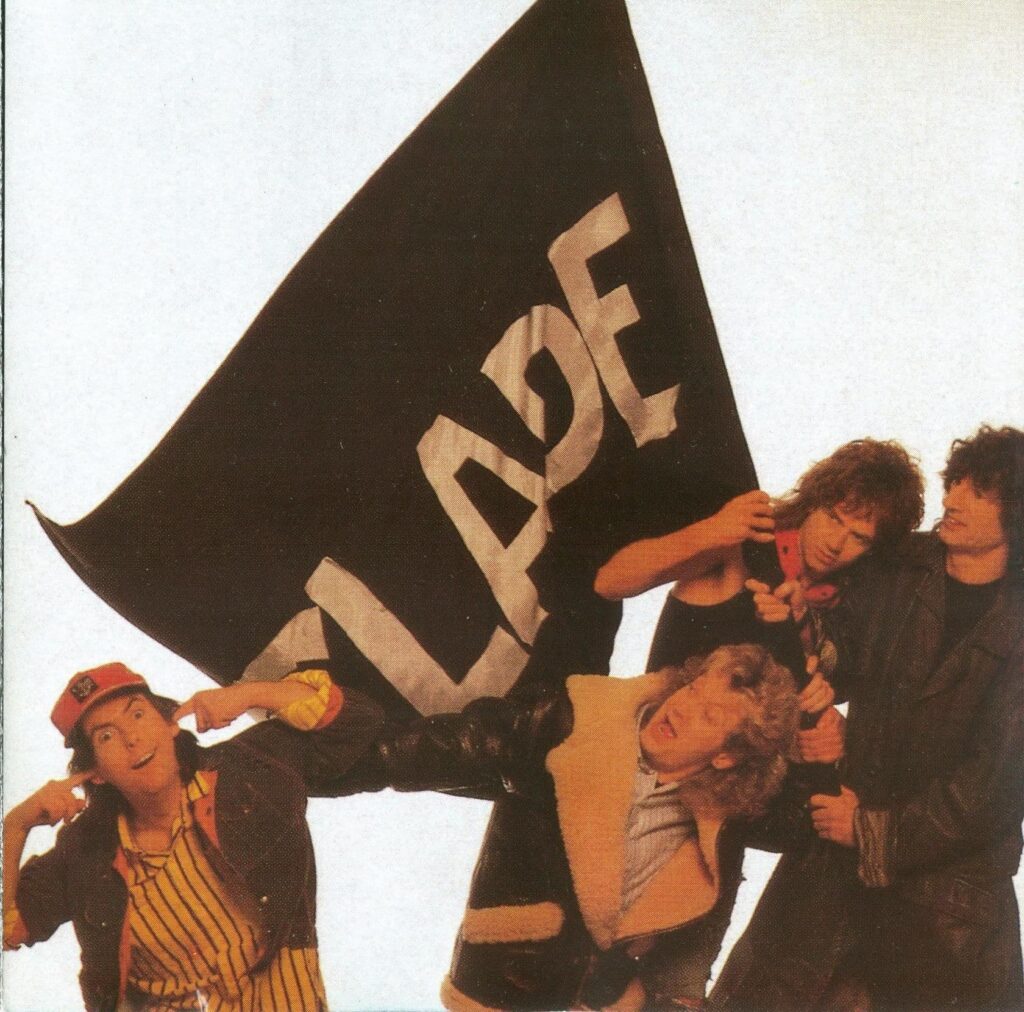
Ah, the 1980s. A decade of excess, neon, and, for bands who’d dominated the previous era, a frantic, often desperate, quest for relevance. For Slade—the quintessential architects of ’70s glam rock chaos, the purveyors of anthemic, misspelt hits—the late ’80s were a curious time. They were navigating a musical landscape dramatically altered from the days of their chart-topping, working-class swagger. It is in this context of adaptation and survival that we find the thunderous opening track from their 1987 album, You Boyz Make Big Noize: a powerhouse cover of “Love Is Like a Rock.”
For those of us who lived through the seismic shifts of rock music from the 70s to the 80s, the memory of Slade is a visceral thing. Their comeback at the Reading Festival in 1980 was the stuff of legend—a deafening, defiant roar that pulled them from the brink of oblivion and thrust them back into the light. You Boyz Make Big Noize was meant to cement that second life, a conscious effort to align their sound with the heavier, more polished commercial rock that ruled the airwaves, especially in America.
The story behind this particular track is a fascinating glimpse into a band constantly trying to capture lightning in a bottle. “Love Is Like a Rock” was not an original Slade composition; it was a cover of a song originally released by the American band The Rockets in 1981, where it achieved modest success. Slade’s bassist and primary songwriter, Jim Lea, reportedly heard the song and immediately felt its muscular, riff-driven structure was a perfect fit for Slade’s inimitable style, particularly aligning with the hard-rocking sound they were embracing. The band, including guitarist Dave Hill, shared this conviction, viewing the track as a powerful vehicle for Noddy Holder’s inimitable, rasping vocal chant. To ensure its contemporary hard-rock polish, they enlisted legendary producer Roy Thomas Baker, known for his work with Queen and The Cars, to helm the recording of this and one other track on the album, a clear statement of their ambition.
But what of its impact? Despite the band’s intentions to make a splash in the crucial US market, the Slade version of “Love Is Like a Rock” largely failed to replicate the chart success of their earlier material. The original Rockets version had peaked at No. 37 on the U.S. Billboard Hot 100 chart and No. 9 on the U.S. Billboard Top Rock Tracks chart back in the early ’80s. By 1987, the musical landscape had shifted again, and Slade’s cover, though a high-octane, barnstorming effort, did not chart nationally in the UK, and its commercial footprint remained minimal elsewhere. This lack of chart validation doesn’t diminish its power, but it adds a poignant layer to the band’s narrative—a drama of a great band battling the tide of time and taste.
The enduring meaning of “Love Is Like a Rock” transcends its chart disappointment. At its core, the song is a glorious, almost simplistic, declaration of love as an unshakeable, foundational force. The titular metaphor evokes an image of stability, permanence, and strength. It’s the kind of love that withstands all storms, a safe harbour in a world of turmoil—a deeply nostalgic sentiment for those who can reflect on decades of relationships, careers, and personal evolution. Noddy Holder’s gravelly, full-throated delivery turns the lyric into a primal war-cry, an affirmation that, no matter the changes in the world or the fleeting nature of fame and fortune, the strength of true connection remains “like a rock.” For older listeners, it’s not just a song; it’s a resonant memory of youthful tenacity and the powerful emotional anchors that saw us through life’s most challenging decades. It is a tribute to the fidelity and perseverance we’ve all strived for, wrapped in a blanket of high-decibel, unapologetic rock and roll.