
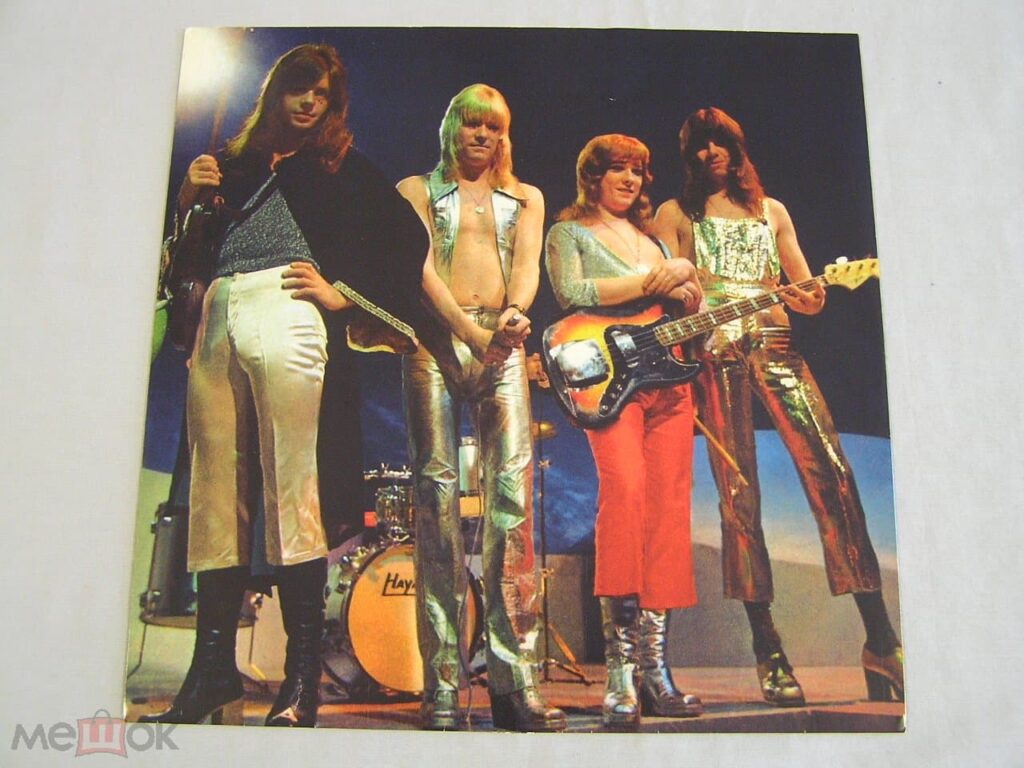
A Bubblegum Pop Hit That Masked a Deep Creative Conflict, a Sweet and Sour Tale of Artistic Compromise.
By 1971, the British music scene was alive with the glitter and swagger of glam rock. In the midst of this explosion, a band named Sweet was on the precipice of stardom, but they were caught in a dramatic and painful struggle. They were a band of hard-rocking musicians with a love for loud guitars and heavy riffs, but they were being molded into something entirely different: a bubblegum pop sensation. Their 1971 album, Funny How Sweet Co-Co Can Be, was the first document of this intense creative tug-of-war. At the forefront of this album stood the song that would become their breakthrough single, the impossibly catchy “Funny Funny.” This sweet, infectious track was a smash hit, soaring to a peak of number 13 on the UK Singles Chart. Its success, however, came with a heavy price, as it served as a symbol of the creative compromise that would define their early years.
The story behind “Funny Funny” is a classic rock and roll drama of art versus commerce. The band did not write the song themselves; it was a creation of the legendary songwriting and production duo Nicky Chinn and Mike Chapman. They had a formula for pop success, and they delivered hit after hit for a stable of artists. For Sweet, the partnership was a deal with the devil. The band desperately wanted fame and fortune, and Chinn and Chapman provided it, but they were forced to perform songs that were a direct contradiction to their true musical identity. The members of Sweet were frustrated, feeling that their heavy rock roots were being betrayed by the saccharine-sweet pop hits they were being forced to record. “Funny Funny” was the first major battle in this war for their soul.
On the surface, the song is a lighthearted, simple love song. The lyrics are innocent and playful, and the melody is bright and cheerful. The youthful exuberance in Brian Connolly’s vocals feels pure and unburdened. But for those who understood the dramatic backstory, the song takes on a different, more poignant meaning. It is a work of masterful irony—a happy, joyous song that was born out of creative frustration and artistic compromise. The polished production and catchy hook were a direct result of Chinn and Chapman’s commercial brilliance, a stark contrast to the raw, unrefined energy that the band poured into their B-sides and future album tracks. The song is a theatrical performance, a necessary first step on a path that would lead them to a place of greater creative freedom, but at the cost of a painful period of artistic struggle.
For those of us who came of age with this music, “Funny Funny” is more than a bubblegum pop hit; it’s a historical document of a band in transition. It evokes a deep sense of nostalgia for a time when music could be both a commercial product and a symbol of rebellion. The song’s enduring legacy lies in its role as the first chapter in Sweet’s dramatic transformation from a pop band with a manufactured image to a self-sufficient hard rock powerhouse. It’s a beautifully bittersweet song that proves that even the most joyful-sounding music can be born out of a profound and emotional creative conflict. It remains a powerful and foundational piece of glam rock history, a living testament to the tumultuous birth of a rock and roll legend.